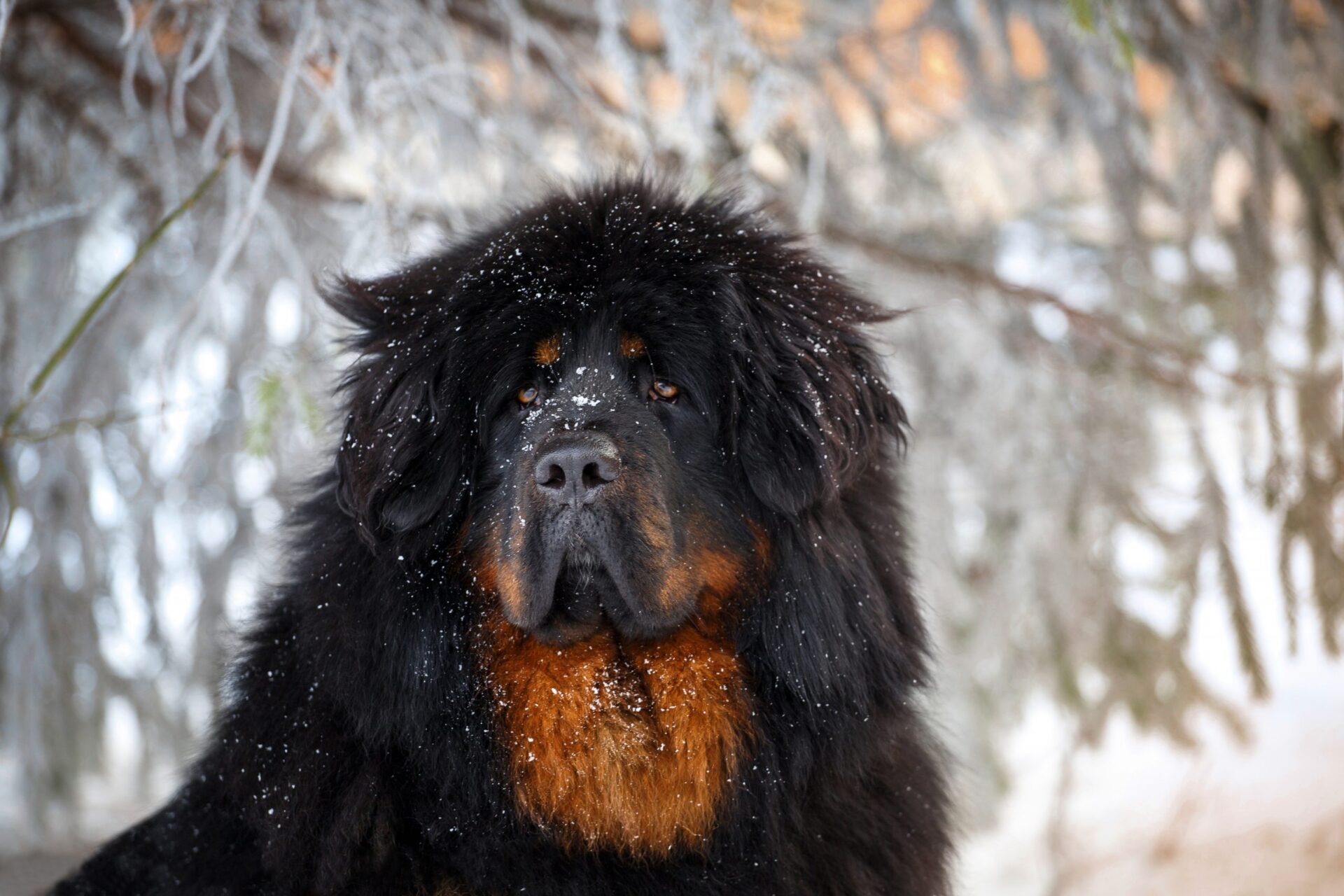
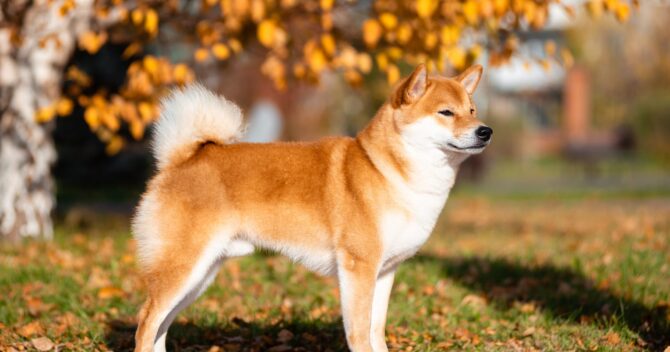
Dogs are our most faithful roommates and best friends. They give us all their love and make our lives better. Their carefree nature makes their owners smile every day. The friendship between dogs and humans has been going on for over thirty thousand years, but do we really know everything about these animals?

Even after so many years of mutual bond, our four-legged pupils have their secrets. To get to know your pet even better, especially his needs, it is worth reaching for our blog. It is a combination of many years of experience and knowledge with passion, friendship and love for dogs. We inspire and advise.

In our blog articles we cover a variety of topics in the field of dog needs, behavior, development, coexistence with other animals and people. Here you will find materials on education, courses, health, care, character traits and history of individual dog breeds. We provide practical advice, ranging from building a bond with your pet, through proper training, to dog psychology.

We are constantly working to make our blog an interesting, trusted and friendly place for all animal lovers.

Enjoy reading!

The Pumi is an energetic and intelligent herding breed originating from Hungary. Although not as well-known as its close relative, the Hungarian Shepherd Dog (Puli), it is gaining popularity thanks to its unique personality and distinctive appearance. This medium-sized, temperamental dog is endowed with a strong working instinct and alertness. This breed combines a passion for work, loyalty to its owner, and an exceptional temperament. This energetic four-legged friend thrives as a herding dog and also as a companion for an active family.

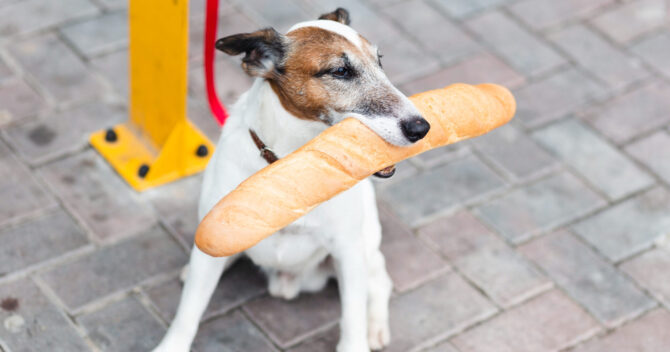
Bread is one of the most commonly consumed foods in many homes. It's no wonder dogs often come into contact with it and try to taste a slice or roll. While bread may seem harmless, its effects on a dog's body vary. The type of bread, the ingredients used, and the frequency of feeding are all important factors. Understanding how bread affects a dog's health allows you to better assess whether such a treat is safe or should be kept out of its bowl.

The Polish Lowland Sheepdog is attractive not only for its appearance but also for its character. Energetic, intelligent, and strongly bonded to its family, it has a personality that's hard to confuse with any other. It loves exercise and working with people. It thrives in both city and country settings, provided it doesn't get bored within its four walls.

Pyometra is a serious threat to the life of any female dog. Sounds dangerous? And rightly so. However, it's not a death sentence, as long as we react quickly and sensibly. This inflammation can strike suddenly, often right after heat, when everything seems to be returning to normal. Yet, something begins to go wrong. The dog becomes lethargic, refuses to eat, drinks more frequently… and that should set off a red flag.

The Spanish Water Dog is a breed that immediately attracts attention. It stands out not only for its lush, curly coat but above all for its lively temperament, high intelligence, and strong attachment to humans. This is a dog that hates to be idle, loves exercise, play, and spending time together. It feels most at its best when it has a goal, task, or mission to accomplish.

Vacations, sunshine, and a slice of chilled watermelon. For many of us, this is the perfect summer combination. And what about your dog? He looks at you with those big eyes, wags his tail, and gently nuzzles the piece of fruit. It's tempting, isn't it? But before you share this juicy treat with him, it's worth knowing if it's safe. In this article, we'll look at watermelon from a dog's health perspective. You'll also find information about its nutritional value, serving methods, risks, and recipes.