-15% on all HARNESSES | Delivery time up to 7 business days 🪡🚀
Tibetan Mastiff - born protector
Tibetan Mastiff - born protector
Date: August 29, 2025 (updated: August 29, 2025) Category: Blog, Dog breeds,
The extremely strong and enduring Tibetan Mastiff is a natural born protector. He is completely devoted to patrolling and protecting his loved ones. Even though he can be stubborn and independent, he is truly a faithful and devoted friend.
Tibetan Mastiff - what does a Tibetan lion look like?
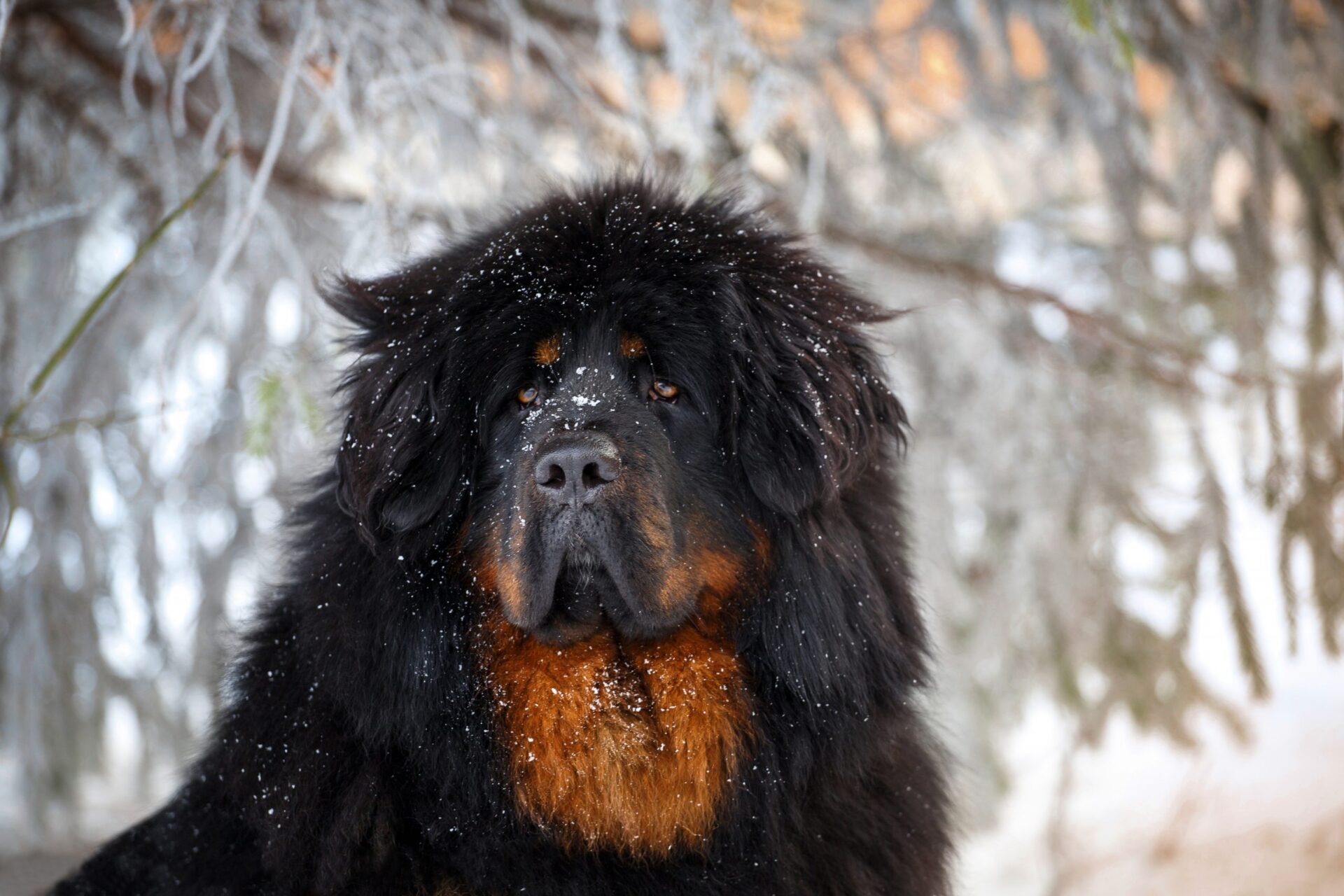
The Tibetan Mastiff (Do Khyi) is an ancient breed of guard and shepherd dogs, originally from Tibet. According to the FCI classification, it belongs to Group 2 Pinscher, Schnauzer, Molossian and Swiss Cattle Dogs, Section 2.2 Mountain-type Molossian. He is a strong, dignified, proportionally built dog with a majestic, serious expression. It owes its proud and impressive appearance to its massive silhouette and abundant cover garment. The Tibetan Mastiff has a broad, heavy head, a short back and a well-defined withers. His strong, well-muscled neck is covered with thick, spiky hair that is creates wide collar, resembling a lion's mane. His a slightly curled tail, carried high, very hairy tail forms a feather.
Mastiffs are profusely hairy. Their double coat consists of a long, thick, straight outer coat and a soft woolen undercoat. It is odorless. Dogs of this breed have various colors: intense black, blue, golden, red and swarthy, clean or with possible burns and sparse white spots. Adult males reach a height of 66 cm (females 61 cm) and weight from 50 to 80 kg (females 35-50 kg). Despite their size and powerful figure, they are agile and durable.
Suggested sizes and widths of accessories for this breed of dog:
Here are the suggested sizes for adult dogs of this breed. They were selected on the basis of many years of experience in sewing accessories and the most common choices of other dog owners of this breed. Remember, only measuring will give you 100% certainty - every dog is different.
The modern Tibetan Mastiff still displays many of the features of its ancestors. He is independent, steadfast and persistent. It has a strongly developed territorial instinct. It guards its territory devotedly, is vigilant and brave. Although he has a tendency to dominate, he is strongly attached to his guardians and is faithful and devoted to them. However, you should be aware that it is generally not as susceptible to training as labradorGerman Shepherd. He values his independence very much and you should not expect absolute obedience from him. The Mastiff is eager to play and gets along well with both children and adults. However, he needs an experienced, respectable, and steadfast guardian, and his contact with the child should only take place under the supervision of an adult. In relationships with other animals, the mastiff tends to dominate. However, socialization from a puppy and good training can make him a balanced, gentle and friendly dog.
Health
Tibetan Mastiffs are healthy and hardy dogs. The life expectancy of representatives of this breed is 12-15 years.The most common health problems of these pets are diseases typical for large breeds, i.e. hip and elbow dysplasia. The other ailments include:
eye diseases
demodicosis (an inflammatory skin disease)
Hypothyroidism
Remember that mastiffs need a considerable amount of physical activity to stay healthy. They definitely shouldn't live in a block of flats. Dogs of this breed should be provided with plenty of space and the possibility of observing and patrolling the area.
Nutrition
The Mastiff is not a picky eater, nor does it have any special dietary requirements or problems with excessive appetite. Usually she reaches into the bowl when she really feels hungry. Likes to eat without haste, in moderation, and does not like sweets. His diet works well with ready-made, high-quality wet and dry foods, various meals prepared at home (enriched with vitamin supplementation), as well as the BARF diet, based on raw bones with meat, offal and a small amount of raw vegetables and fruit. During the period of intensive growth, the diet should take into account the increased demand for protein.
How to care for a Tibetan Mastiff?
Caring for a dog of this breed is not complicated. Remember to brush regularly, usually it is enough to brush or wipe the hair with a wet cloth once a week. Only in the moulting period, which takes place in late spring (it lasts about three weeks), you should comb your pet daily. Because the mastiff has an odorless, hypoallergenic coat, frequent baths are not necessary. However, you cannot forget about washing the eyes and ears and cutting the dog's claws. Taking care of the nice appearance of the coat, it is worth adding a biotin preparation to your pet's meals.
Tibetan Mastiff - Pros and Cons
Disadvantages
has a strong, independent character
incorrectly brought up, it can become aggressive
it requires a lot of space, it is not suitable for living in a block of flats
tends to destroy when bored
it is difficult to train
Advantages
is family owned
possesses the qualities of an excellent watchman
it is resistant and not very susceptible to diseases
retains youthful vigor for a long time
Tibetan Mastiff - ctrivia
The Tibetan "lion" was called by the local people tsang kyi last year, which is the best dog.
The Tibetan Mastiff is one of the most expensive dogs in the world. The highest price for a representative of this breed reached $ 2 million.
In China, the red Tibetan Mastiff is associated with wealth and happiness.
Most frequently asked questions
Where does the Tibetan Mastiff breed come from?
The Tibetan Mastiff originates from Tibet, where it has served as a guard dog for centuries, protecting monasteries and property from wild animals and intruders. Its history dates back to ancient times and was closely linked to life in the harsh mountainous conditions.
What does a Tibetan Mastiff look like?
The Tibetan Mastiff is a powerful dog with a majestic stance. It has long, dense fur that forms a "collar" around its neck. Its gaze is serious and penetrating. It is characterized by its substantial body mass and calm, yet alert movement.
Is the Tibetan Mastiff suitable for apartments?
Definitely not, as they require plenty of space and fresh air. They thrive in a fenced-in area. Prolonged confinement in an enclosed apartment can lead to frustration and excessive barking.
Does the Tibetan Mastiff get along well with children?
The Tibetan Mastiff can be protective of children, but must be accustomed to them from puppyhood. Due to its size, it requires supervision. Children should be taught how to interact with it and respect its independence.
How long does a Tibetan Mastiff live?
The Tibetan Mastiff typically lives for 10–12 years. This is quite a long time for a large dog. Taking care of its diet and health can significantly impact its quality and length of life.
The Spanish Water Dog is a breed that immediately attracts attention. It stands out not only for its lush, curly coat but above all for its lively temperament, high intelligence, and strong attachment to humans. This is a dog that hates to be idle, loves exercise, play, and spending time together. It feels most at its best when it has a goal, task, or mission to accomplish.
Shiba inu is a combination of independence, self-confidence and extraordinary intelligence. The owners of dogs of this breed agree that raising a shiba is a real challenge. However, after reaching an agreement, you can gain a faithful friend, an excellent watchman and a cheerful playmate.
Vacations, sunshine, and a slice of chilled watermelon. For many of us, this is the perfect summer combination. And what about your dog? He looks at you with those big eyes, wags his tail, and gently nuzzles the piece of fruit. It's tempting, isn't it? But before you share this juicy treat with him, it's worth knowing if it's safe. In this article, we'll look at watermelon from a dog's health perspective. You'll also find information about its nutritional value, serving methods, risks, and recipes.