-15% on all HARNESSES | Delivery time up to 7 business days 🪡🚀
Rottweiler - a brave guardian and devoted protector
Rottweiler - a brave guardian and devoted protector
Date: May 19, 2025 (updated: May 19, 2025) Category: Blog, Dog breeds,
The Rottweiler is considered to be one of the oldest breeds, its history dates back to the Roman times of the conquests. Formerly, he helped to protect the herd and act as a watchman. Today he is a companion and protector of the family.
Rottweilers are known to be confident, strong and alert dogs. The watchdog instinct inherited from their ancestors is distinguished in their present disposition. Willingness to defend themselves and courage are distinguishing features of character, which, however, in the case of unskillful upbringing, can take the form of domination. This feature is prevalent in males who try to gain the highest possible position in the herd. Dogs of this breed do not like idleness, they are characterized by great temperament and passion for work.
Although they are distinguished by a strong drive to fight and a great sense of ownership, when properly treated and consistently brought up, they can be predictable and can be very obedient. walks on a leash. Additionally, the high reaction threshold, i.e. low excitability, makes them not easily upset. These qualities make Rottweilers a good family dog that quickly becomes attached to their owner and is loyal to their household members. They will also accept guests with some reserve. However, it should be borne in mind that they react quickly and violently in times of danger. Since it is also their nature to protect the weaker members of the herd, rotwailers show great care towards children. However, it should be remembered that their contacts with the youngest should take place under the supervision of adults.
Suggested sizes and widths of accessories for this breed of dog:
Here are the suggested sizes for adult dogs of this breed. They were selected on the basis of many years of experience in sewing accessories and the most common choices of other dog owners of this breed. Remember, only measuring will give you 100% certainty - every dog is different.
The Rottweiler will only submit to a determined, consistent and calm owner. A person who will be able to impose her will on him, without resorting to screams and violence. Therefore, raising a dog should be in the hands of an experienced and assertive caregiver. You have to take into account that the rottweiler requires constant activation and only intensive training will allow you to fully vent its energy. Without a large dose of activity, it is not suitable for a family or companion dog. Skillfully guided, it will be a great companion for an athletic, very active person, who will also be able to provide him with intellectual entertainment, the Rottweiler is intelligent, fast and eager to learn.
She loves new challenges and easily learns commands. However, she needs an individual approach and positive motivation. Due to his size and strong character, it is a good idea to teach him the basic principles of obedience as early as possible. Puppies need determination and consistency in action as well as simple and understandable rules from the very beginning. It should be emphasized that mistakes made in upbringing may have serious consequences. An ill-mannered Rottweiler can display disobedience, dominance, and aggression.
Rottweiler - who is this breed for?
The owner of a rottweiler should have the time and appropriate conditions for training a pet and be:
responsibility,
consequence,
resolutely
experience in raising dogs.
Health
Dogs of this breed are generally very hardy. Although they do not like hot weather. They are not bothered by frost, snow and moisture. In summer, they look for cooler places to rest and enjoy playing in the water. Like most large dogs, Rottweilers show a predisposition to hip, shoulder and elbow dysplasia. Puppies are prone to viral enteritis, so it is important to follow your immunization schedule. However, in adolescence, they are prone to enostosis, i.e. juvenile osteitis. Eyelid defects appearing in an adult individual often require surgical intervention. Among the less common diseases are: otitis. gastric torsion, skin problems, cardiovascular problems and neoplasms (most often osteosarcoma).
Nutrition
Due to the rottweiler's tendency to gain weight, we adjust the rottweiler's food to its age and lifestyle. You can feed high-quality dry food with the addition of chondroitin sulphate and glucosamine, specially dedicated to large dogs. Of course, you can also prepare food yourself, but remember to supplement your meals with calcium and vitamin preparations and appropriate supplements supporting the development and protection of joint cartilage. At every stage of life, you need to ensure that your pet is well fed, but does not gain too much weight. Being overweight can have a negative effect on bones and joints. It is worth controlling the level of calcium and phosphorus in the blood and, if necessary, after consulting a veterinarian, supplement mineral deficiencies. An adult Rottweiler should eat at least two meals a day, served at fixed times. After eating, make sure he rests for at least an hour.
Rottweiler - care
The short coat of the Rottweiler does not require time-consuming grooming treatments. It is enough to brush it once a week, only during the molting period, i.e. twice a year, it is good to do it every day. When removing dust and small impurities from the hair, a hard bristle brush will be useful, and then we can use a dense metal comb. For the bath, which we use as needed, use a good quality shampoo for short-haired dogs. You should also systematically check the ears and teeth, rinse the eyelids and shorten the claws.
Curiosity
Rottweilers took first place in the American ranking of the most expensive breeds. They have been recognized as the most costly breed in the world to keep.
Most frequently asked questions
Where does the Rottweiler breed come from?
The Rottweiler comes from Germany, and its ancestors date back to Roman times. It worked as a herding and guard dog. It owes its name to the city of Rottweil.
What does a Rottweiler look like?
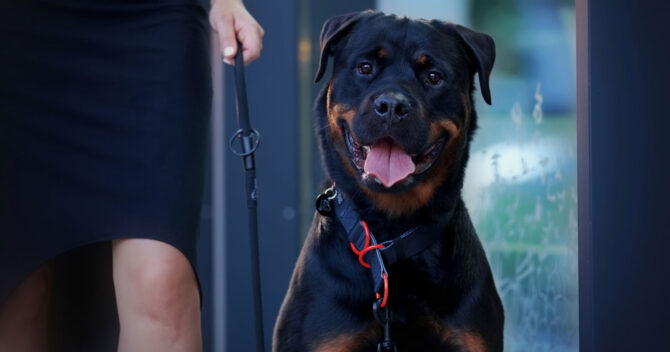
The Rottweiler is strong, muscular and well-proportioned. He has a short, black coat with red and tan markings. His gaze is alert and determined.
Is a Rottweiler suitable for apartments?
A Rottweiler can live in an apartment building, but it needs exercise. Walks and exercise are essential. In an apartment, it must have clear rules and a consistent owner.
Do Rottweilers get along well with children?
The Rottweiler can be affectionate and caring towards children. However, he must be well-mannered and supervised. The relationship depends on socialization and boundaries.
How long does a Rottweiler live?
The average lifespan of a Rottweiler is 9–10 years. Its condition depends on genes, diet, and activity. It is worth monitoring its heart and joints.
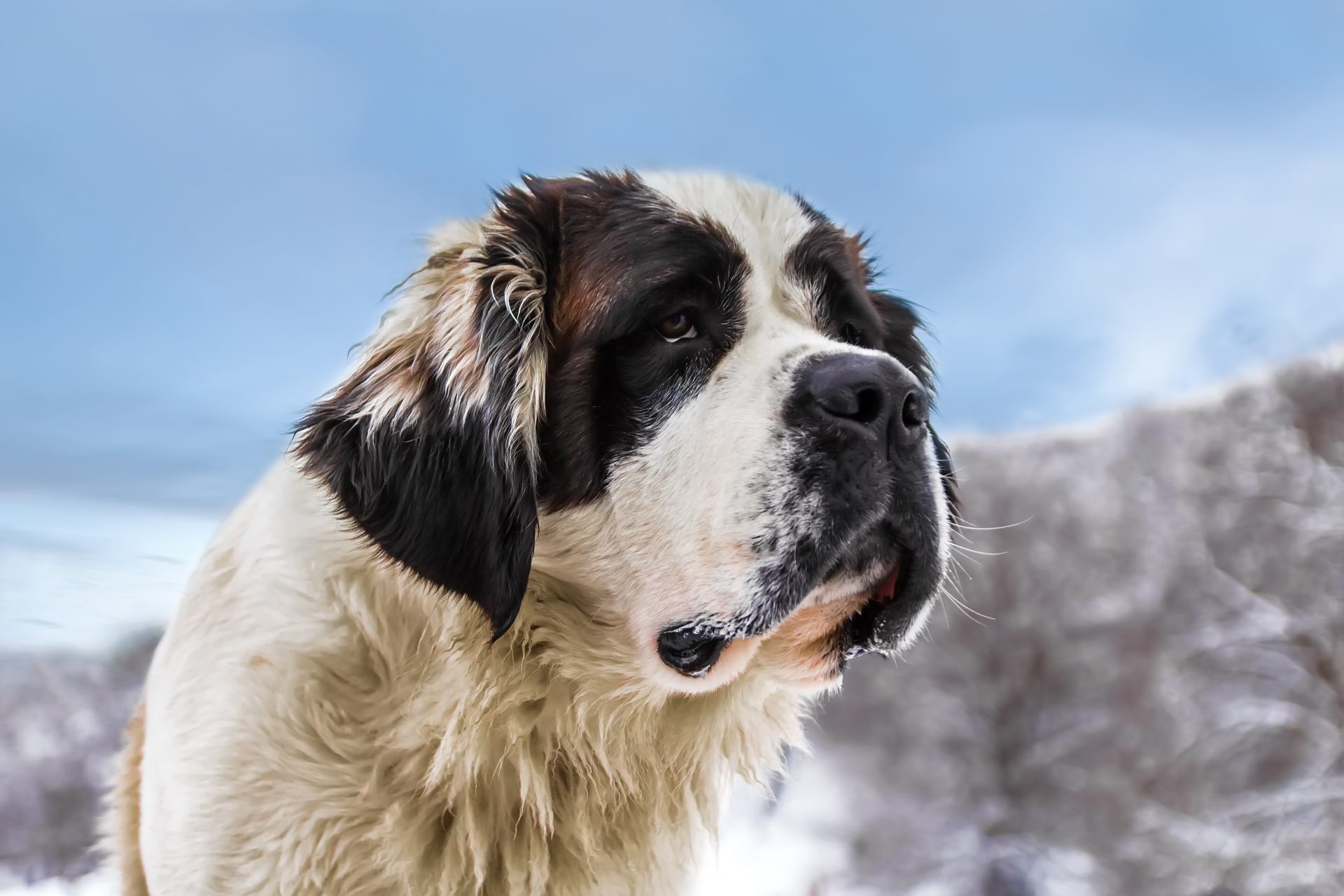
Bernardine. This awe-inspiring calm giant with a gentle-temper fully deserves the admiration he is bestowed upon. It is famous for its great stature and equally big heart. Qualities such as devotion, loyalty and exceptional patience make him an excellent guardian and family friend.
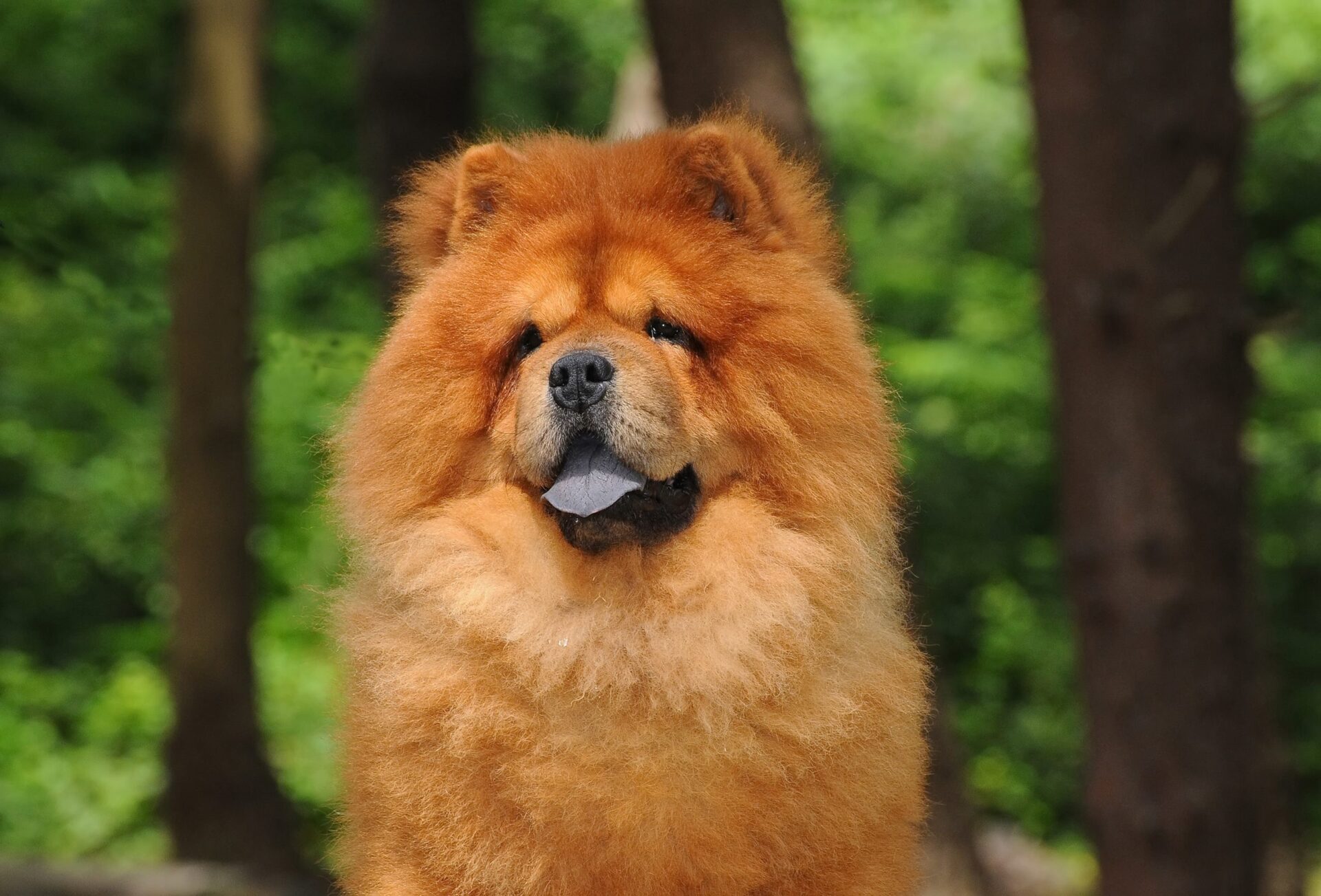
The Chow Chow is a very calm and extremely alert dog with a proud, dignified demeanor. He is a faithful companion and a great guardian. Currently, it is a popular and intensively bred all over the world breed that has earned the friendship of many show business stars and celebrities.
Microchipping a dog is an increasingly popular and recommended procedure that involves implanting a small microchip under the animal's skin. The microchip contains a unique identification number that allows the dog to be assigned to its owner in a database. This procedure is quick, painless and is crucial in situations such as foreign travel or identification in the case of adoption. In addition, more and more owners decide to microchip to increase their chances of finding their four-legged friend if they get lost. In this article, we will discuss how much microchipping a dog costs, as well as when it is necessary, both from the point of view of legal regulations and in the everyday life of a dog owner.