



Your dog has an unusual build, no harness fits, and you're afraid to order a custom-made harness? We have a solution!
Health and happiness psais an absolute priority for every pet guardian. Prevention, early detection of diseases, proper care and taking care of safety on a daily basis are the main steps in maintaining a healthy pupil. You don't need to convince anyone, how important is knowledge and taking appropriate actions in this area.
Our faithful comrades need it sacrificing them constant attention and vigilance in the sphere of well-being, physical condition and mental performance. This is why in this tab, we have collected for you the most important information about threats to health and life ward.
We provide descriptions of common diseases: we explain what a given disease is, give symptoms, causes, treatment and measures to prevent diseases. We advise on routine safety rules, grooming treatments, proper care for a sick dog, as well as care for the good energy and mood of the pet.
We cordially invite you to our shaggy companion's health information and prophylaxis point!
Other categories of our blog: Dog breeds, Living with a dog, Dog training.
Your dog has an unusual build, no harness fits, and you're afraid to order a custom-made harness? We have a solution!

Dogs are incredibly diverse. And we know this from experience.
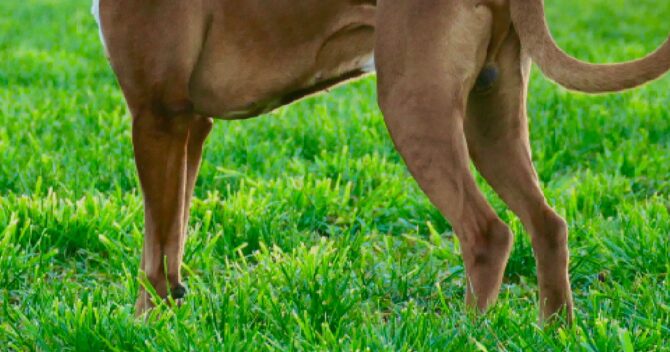
Few people consider the structure of a dog's limbs on a daily basis, whether their pet has knees, and how many they actually have. Interestingly, knowing this isn't just a curiosity, but a real aid in preventing musculoskeletal disorders. Knowing how many knees a dog has, where they are located, and how they function allows owners to spot alarming symptoms more quickly. They can also more easily distinguish simple fatigue from symptoms of pain, lameness, or joint strain. This allows them to react more quickly and care for their pet more effectively.

Joint dysplasia is one of the most common conditions in dogs, especially large breeds. Many owners only notice the first disturbing symptoms when their pet begins to limp or avoid exercise. However, it's important to know how to recognize the condition early and what treatment options modern veterinary medicine offers. With proper care, a dog with dysplasia can still lead an active, joyful life.

Pyometra is a serious threat to the life of any female dog. Sounds dangerous? And rightly so. However, it's not a death sentence, as long as we react quickly and sensibly. This inflammation can strike suddenly, often right after heat, when everything seems to be returning to normal. Yet, something begins to go wrong. The dog becomes lethargic, refuses to eat, drinks more frequently… and that should set off a red flag.

Anaplasmosis is one of those tick-borne diseases that often develops silently, masking itself with symptoms resembling a common cold or fatigue. However, the consequences of untreated disease can be serious. Initial symptoms, such as fever and joint pain, often lead to neurological disorders and even permanent organ damage. Although Lyme disease is widely discussed, anaplasmosis in dogs remains in the shadows, overlooked, and often misdiagnosed. Meanwhile, more and more dogs in Poland and Central Europe are falling victim to it. It's worth knowing what this disease really is, how to protect your pet from it, and what to do when the first alarming symptoms appear.

Addison's disease in dogs, or adrenal insufficiency, is a serious hormonal disorder that can lead to life-threatening complications. The symptoms are often nonspecific and may resemble other diseases, so early diagnosis is key. In this article, we will discuss the most common symptoms, diagnostic methods, and treatment methods, as well as suggest how to care for a dog suffering from this condition. Proper therapy allows your quadruped to lead a normal and happy life, so it's worth knowing what to look out for and how to react quickly.

Kennel cough is a common respiratory disease in dogs that spreads easily. It presents with a characteristic, dry, paroxysmal cough that is often confused with retching. Kennel cough is usually harmless, but in more severe cases it can lead to pneumonia, especially in puppies and older dogs. For this reason, early diagnosis and treatment are crucial to avoid complications and ensure a quick recovery for your pet.

Otitis is a disease that refers to the infection of part or all of the ear. It is a disease that often affects dogs and should be treated immediately and causally. If otitis is ignored, it becomes a chronic problem, and changes occur in the ear canal that are dangerous to the health of your four-legged friend. Regular ear checks, proper hygiene, a healthy diet and avoiding factors that contribute to ear infections are key elements of prevention.

Giardiasis is a common gastrointestinal disease in dogs. It is caused by giardia lamblia parasites, which attach to the wall of the small intestine and interfere with normal digestive processes. These parasites are usually transmitted through contact with contaminated water, food or feces. Giardia infection is particularly problematic due to the symptoms that are bothersome or even dangerous for the pet and the risk of transmitting the pathogen to humans and other animals. Therefore, it is worth learning more about the causes, symptoms, treatment and prevention options of this disease.

A dog's eyes, just like a human's, provide about 70% of the information from the environment. They are highly vascularized and innervated, making them highly susceptible to irritation, allergies, injuries and other diseases. They are affected by many external factors every day, which is why they require special protection and care. Red eyes in a dog should be seen as a symptom of a disease that may have various causes. Therefore, it is crucial to recognize the causes of the disease and quickly apply the appropriate treatment.
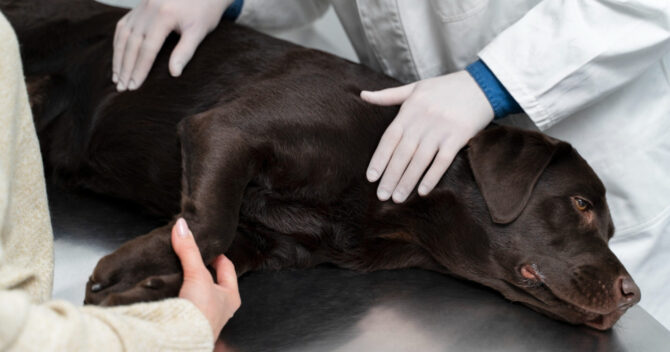
Many dog owners mistakenly perceive castration as an effective way to quickly solve behavioral problems in aggressive dogs or as a factor reducing the risk of cancer and other serious diseases. There are many myths surrounding this topic. So let's check what are the real effects of castration in dogs?