


Amstaff - devoted and outgoing, but only in good hands!
Amstaff - devoted and outgoing, or dangerous and aggressive? What is the true face of this breed of dogs?
Amstaff - devoted and outgoing, or dangerous and aggressive? What is the true face of this breed of dogs?
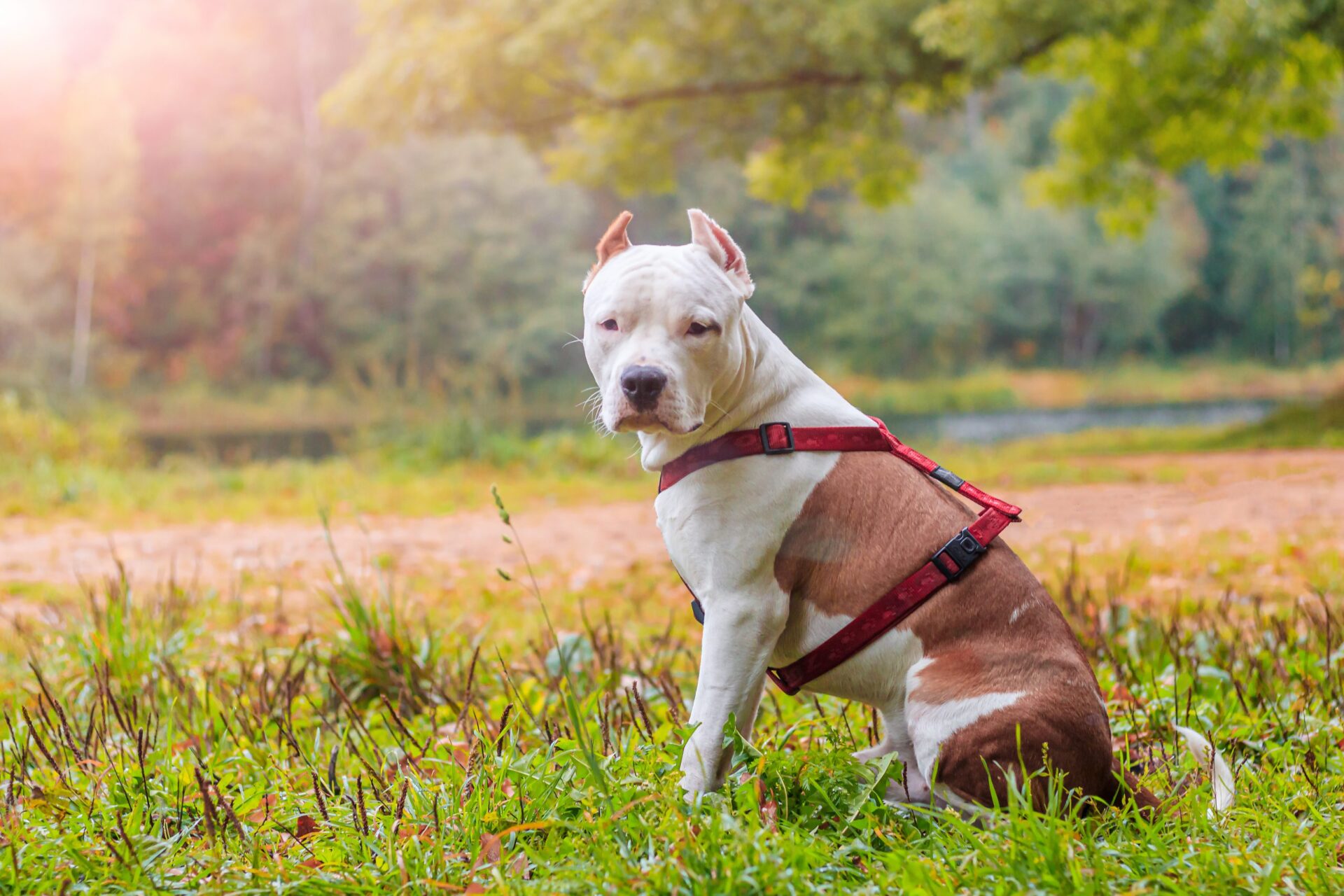
The Amstaff, American Staffordshire Terrier is a dog with a proportionate, athletic figure. It is characterized by a very muscular body structure. Strong musculature means that despite its small height, the weight of dogs of this breed reaches up to 36 kg. The silhouette of the Amstaff is majestic. It has a wide, long chest, a short back with a sloping rump and a low-set tail. The legs are relatively short, strong, clearly muscular. The head set on a massive neck has a well-defined jaw, black, widely spaced eyes. A black nose is a requirement for Amstaffs, other colors or discolorations disqualify the dog. The Amstaff's fur is short and stiff. Its color can be diverse - single-color, multi-color, piebald with white or dark spots, and even brindle.

Here are the suggested sizes for adult dogs of this breed. They were selected on the basis of many years of experience in sewing accessories and the most common choices of other dog owners of this breed. Remember, only measuring will give you 100% certainty - every dog is different.
The character of the Amstaff is a combination of genes and upbringing. The puppy shows great determination, curiosity, courage and intelligence, which is why it learns very quickly. The key to success in its upbringing is consistency, gentleness and patience. Because dogs of this breed are sensitive and react impulsively, physical punishment should not be used against them. Let's also avoid teasing and shouting.
Dogs of this breed need a lot of attention from their owner, combined with a daily dose of exercise, play, and outdoor activities. Amstaff does not like to spend long periods of time alone in a closed home. It is very sociable and strongly attached to its family. It is extremely energetic and if we do not direct this dose of energy in the right direction, it will certainly find some destructive activity for itself. Considering that this breed comes from a group of fighting dogs and has a fairly low tolerance threshold, it is not recommended to leave the dog alone with a child, although much in this respect depends on the upbringing of the quadruped. Due to its strong jaws and its weight, it is also not a suitable companion for smaller dogs, it can simply pose a danger to them.
The Amstaff (American Staffordshire Terrier) is a durable, strong, and extremely physically fit dog. If not trained properly, it can pull the leash hard. When properly trained, it becomes a real athlete and is excellent in areas such as weight pulling or high jump. In addition, dogs of this breed are clever and very agile. Since they easily learn new commands and remember them permanently, it is worth spending time training them from an early age. This will help avoid problems with hyperactivity on walks and expressive behavior at home. They will be able to fetch, jump over obstacles, swim, and run by bike without any problems. However, it is important to remember to start intensive training only at the beginning of the dog's second year of life. It is not recommended to train dogs of this breed for defense, as this can result in unpredictable, aggressive behavior.
Because, as we have already mentioned, the American Staffordshire Terrier is very intelligent and cunning, it can ruthlessly exploit any weaknesses of its owner. Therefore, the owner should have dominant features and never show fear of the dog. The key elements in the training of the American Staffordshire Terrier are therefore self-confidence, consistency, determination and persistence. In the case of puppies, training in a dog kindergarten may be useful, which will allow for the socialization of the dog and help the owners understand the behavioral pattern of the quadruped.

Above all, it is a good companion for a very active, balanced, consistent, responsible and at the same time sensitive person. Amstaff will be a great companion when riding a bike or running. Its upbringing should be thoughtful, responsible. It requires a combination of determination with gentleness and providing the dog with a sense of security and stability. Despite the difficult past and the stereotypes associated with it, amstaffs still prove that with responsible upbringing and care they become exceptional family members, devoted guardians and faithful friends.
Dogs of this breed are usually in good health. Allergic skin problems can be dealt with without major problems with the right diet. Due to their high physical activity, sensitive joints and tendency to hip dysplasia, it is recommended to introduce preparations to the diet that protect the joint cartilage, especially during the development period. A good idea is to introduce supplements that contain glucosamine and chondroitin as a preventive measure. When feeding an Amstaff, it is worth focusing on a balanced diet and investing in high-quality food that will provide it with the necessary nutrients and the right amount of calories.
The Amstaff does not require time-consuming care. Its short fur only needs to be combed once a week, preferably with a stiff brush. Because its skin is covered with a layer of sebum, which acts as thermal insulation during hot and cold days, frequent bathing should be avoided. The dog's ears, teeth and eyes should be cleaned once a month, and its claws should be trimmed several times a year. All care treatments should be approached decisively and firmly, because the pet will certainly avoid such activities.

The Amstaff is a breed of dog known for its energy and vigor, and is also considered resistant to most diseases. Genetic diseases are quite rare in Amstaffs, which is why the average lifespan of this breed is around 11-15 years. However, owners of Amstaffs must remember that these dogs are very resistant to pain. Therefore, if they notice any symptoms of illness, they should quickly consult a veterinarian. Like many other dogs, Amstaffs are prone to certain health problems. Here are the most common diseases to look out for, their description, symptoms, treatment methods, and prevention.
The athletic build of the American Staffordshire Terrier makes them slightly more susceptible to hip or elbow dysplasia. This condition manifests itself in the abnormal formation of the joints, causing pain and difficulty moving. Typical symptoms include lameness, difficulty standing up or stiffness after exercise. Treatment is based on drug therapy, physiotherapy or - in more serious cases - surgery. Prevention plays a key role: a healthy diet, appropriate activity and avoiding overload in young dogs.
The American Staffordshire Terrier, like the Bull Terrier, can have dermatological problems, which are sometimes caused by food allergies, but not always. The American Staffordshire Terrier can also struggle with atopic dermatitis. Symptoms include itching, skin redness, rashes, and ear infections. Treatment involves identifying and eliminating the allergen, administering antihistamines, and using medicated shampoos. Hygiene, avoiding allergens, and a hypoallergenic diet are important preventive measures. In addition, cases of demodicosis, or demodicosis, have been reported in the American Staffordshire Terrier. The condition is caused by parasitic mites. This skin disease most often causes baldness, redness, and itching. Treatment includes antiparasitic preparations, medicated baths, and antibiotics for secondary infections. Hygiene and responding quickly to symptoms are essential.
Amstaffs are lively dogs characterized by high activity, which is why they sometimes suffer injuries and ligament damage. This most often concerns the cruciate ligament in the knee joint. Damage or rupture of this ligament can initially result in lameness of the pelvic limb, while later on, the occurrence of degenerative changes in the joint.
Dogs of this breed sometimes suffer from dislocation of the lens of the eye, which can occur spontaneously or as a result of trauma. Amstaffs inherited this tendency from their ancestors.
Heart disease, such as cardiomyopathy, can also affect this breed. Weakening of the heart muscle leads to heart failure, which manifests itself through coughing, weakness, and difficulty breathing. Treatment includes heart medications and adjustments to physical activity. Regular cardiology check-ups are essential, especially in older dogs.
Obesity and overweight are another health challenge for amstaffs. Excessive accumulation of fat tissue leads to a burden on the body, difficulty moving and a decrease in fitness. Treatment consists of diet and an appropriate dose of physical activity, and prevention is regular exercise and monitoring proper nutrition.
It is worth emphasizing that in order to take care of the health of the American Staffordshire Terrier, regular veterinary check-ups, a healthy diet and appropriate activity are crucial, which help maintain the dog's good shape and energy for years.

The American Staffordshire Terrier has a rich and fascinating history, dating back to the 19th century. Its descendants originate from Great Britain, where breeders crossed bulldogs and various types of terriers to create dogs with exceptional strength, courage and endurance. Initially, the crossbreeding was intended to create dogs used for bullfighting. At the time, such spectacles were a popular form of public entertainment. With the ban on such practices, dogs began to be used in illegal dogfighting. At the same time, they increasingly accompanied their owners home.
In the late 19th century, some of these dogs came to the United States with emigrants from Great Britain. On the new continent, the breed began to develop in various directions - as farm dogs, home guards, and family companions. In the United States, the Amstaff was referred to as the "Pit Bull Terrier." As its popularity grew, more and more emphasis was placed on traits such as loyalty, courage, and intelligence, while striving for a gentle nature towards people.
The American Kennel Club (AKC) officially recognized the breed in 1936 under the name "Staffordshire Terrier," and in 1972, to distinguish it from the British Staffordshire Bull Terrier, "American" was added to the name, creating the full name "American Staffordshire Terrier." From that point on, the American Staffordshire Terrier became distinct from the dogs known as the American Pit Bull Terrier. While pit bulls were often bred for working and dog sports, the American Staffordshire Terrier was oriented toward family life, displaying gentler characteristics and better meeting show standards.
Over the years, the American Staffordshire Terrier has gained popularity as companion, family and defense dogs. Their history reflects their transformation from fighting dogs to full-fledged members of human society. Known for their loyalty to their owner, intelligence and energy, they have become the favorites of many families.
Unfortunately, due to its strength, the breed has sometimes been misused by irresponsible owners. This image has also influenced its false image in the public sphere. However, it should be noted that the Amstaff, like any other dog, requires proper upbringing, socialization and care to develop as a balanced and friendly pet. With the right approach, it shows its true nature - a dog with a big heart, full of devotion and ready to protect the family.
Amstaffs are great at dog sports, such as agility and obedience. Obedience, a sport based on obedience, is a form of training in which the dog performs a series of precise commands issued by the owner. Obedience competitions assess not only the dog's ability to perform commands, but also its speed, accuracy and cooperation with the handler. Amstaffs are great at this type of activity thanks to their intelligence and willingness to work.
In addition, their fearless yet loyal nature makes them used as police, rescue and therapy dogs. Thanks to these valuable characteristics, the American Staffordshire Terrier commands respect and appreciation among dog lovers around the world and wins the hearts of owners as companion dogs.
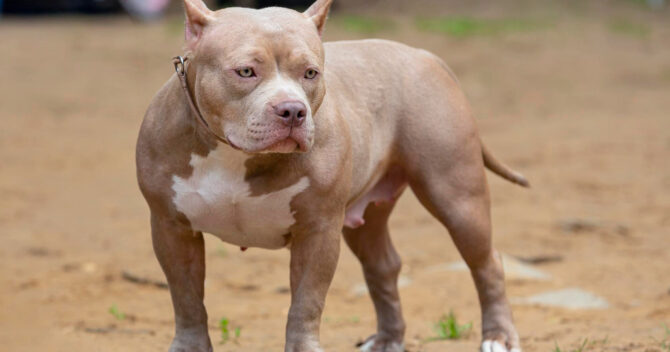
The American Bully is a relatively new breed of dog that originated in the United States in the late 20th century. Bred as a mix of bulldog and terrier breeds, it combines strength with a gentle, friendly disposition. Despite its impressive appearance, the American Bully is a sociable, loyal companion who is an excellent family dog. In addition, this breed is valued for its balanced temperament and ease of training. This makes it an ideal choice for both experienced owners and those who are just starting their adventure with four-legged pets.
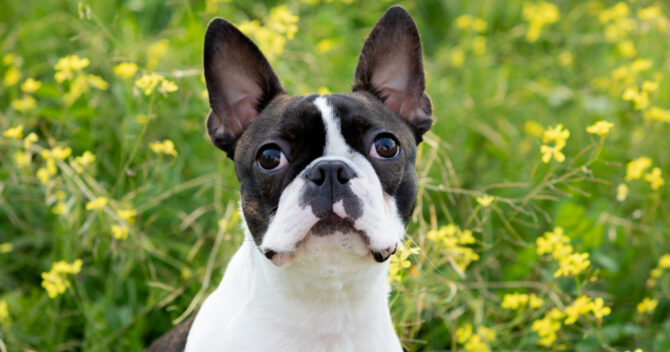
The Boston Terrier is a small but energetic breed of dog, known for its distinctive appearance and cheerful temperament. These elegant dogs with short, smooth fur and large, expressive eyes have a friendly, sociable disposition. In addition, Boston Terriers are intelligent, easy to train. They also show great devotion to their owners, making them excellent four-legged companions.

Kennel cough is a common respiratory disease in dogs that spreads easily. It presents with a characteristic, dry, paroxysmal cough that is often confused with retching. Kennel cough is usually harmless, but in more severe cases it can lead to pneumonia, especially in puppies and older dogs. For this reason, early diagnosis and treatment are crucial to avoid complications and ensure a quick recovery for your pet.