Dog parvovirosis - causes
The disease is caused by a virus from the Parvoviridae CPV-2 family (canine parvovirus type 2). Generally, the source of infection is feces, saliva, urine and vomit from sick animals. The virus is also transmitted by animals passing the infection asymptomatically. Since the pathogen can survive in the environment for up to six months, the source can be all things that the infected dog has come into contact with, i.e. the bed, clothes, leash, collar, household utensils, bowls, furniture, floors and carpets. Additionally, humans and other animals can be vectors of the disease. The period when parvovirosis poses a particular risk is the first days after the puppy is weaned. Then it is worth consulting a veterinarian who will provide instructions on reducing the risk of parvovirosis (proper diet, limiting stressful situations).
Symptoms of canine typhus
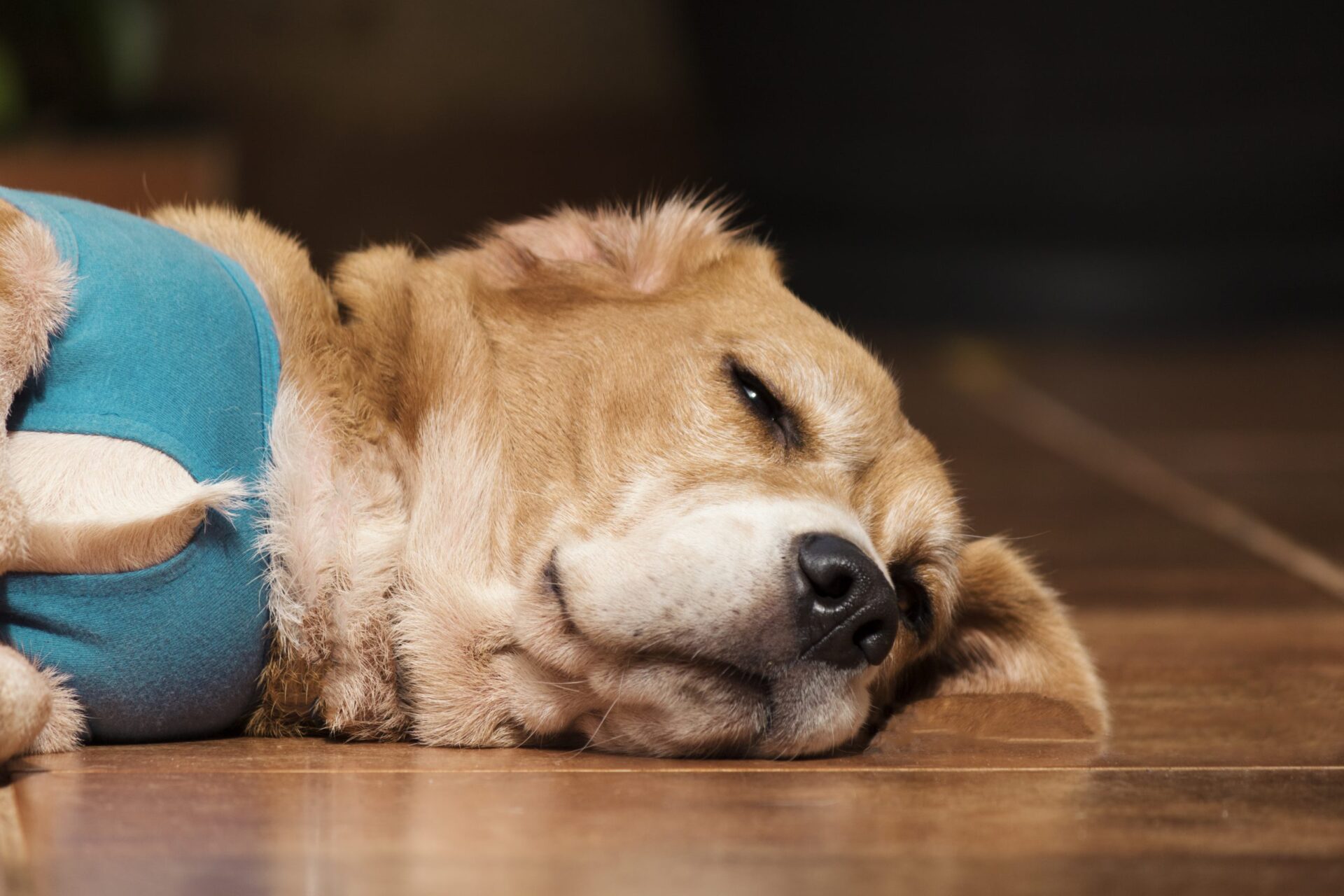
The dog becomes infected with parvovirosis by the oral route. In general, disease progresses within 5-12 days of infection. After entering the body, the virus circulates in the blood and mainly attacks the rapidly dividing cells in the bone marrow and the epithelium of the intestinal crypts. The symptoms of parvovirosis occur mainly in the digestive system and relate to acute intestinal ailments. These include: bloody, watery diarrhea, recurrent vomiting, sounds of water pouring in the abdomen, lethargy, lethargy, apathy, lack of thirst and appetite, rapid breathing, weight loss, in some cases decreased or elevated temperature, and decreased muscle contractility. If parvovirosis affects the heart and circulatory system, the dog begins to choke, foams from the mouth, and the mucous membranes turn blue.
The disease most often progresses at a dizzying pace, the condition of the four-legged dog deteriorates significantly from hour to hour. In severe course, parvovirosis can lead to serious complications. As a consequence of electrolyte disturbances, a significant drop in blood pressure, shock and death may also occur.
Dog parvovirosis - treatment
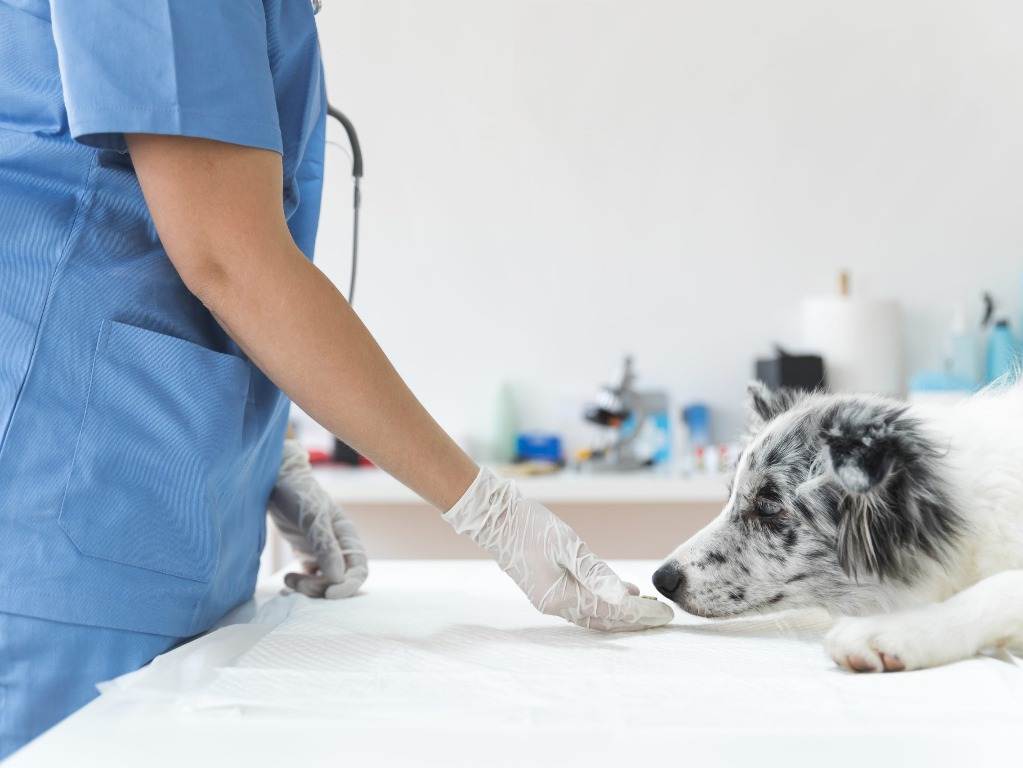
Parvovirosis most often requires constant veterinary care in an animal clinic. In the first stage, treatment of a sick dog focuses on bringing him out of shock. This is done with drip irrigation, anti-shock drugs, anti-emetic drugs, and shielding drugs. You replenish your fluids and control your body's acid-base balance and sugar levels. Broad-spectrum antibiotics are used to inhibit the multiplication of bacteria in the gut and the development of sepsis. During the first few days, the patient is fed enterally. During the treatment, the veterinarian checks the blood count and biochemical parameters on an ongoing basis. If the doctor manages to guide the dog through this most dangerous stage, the disease usually ends within 7-14 days.
Important information!
The decisive factor in the success of therapy is its speed and intensity. Treatment should be started as soon as possible after the first symptoms appear. In this case, the chances of the recovery of the quadruped are much greater. A dog that is left untreated dies within 48-72 hours of the first symptoms appearing. In an exceptional, acute course of the disease (usually when parvovirosis becomes cardiac), the animal dies within 24 hours.
It is imperative to remember that parvovirus is highly contagious. After completing the first stage of treatment and returning home, the dog must be isolated. He should not come into contact with other animals (up to 4 weeks after the end of treatment). All places and items with which the sick animal has come into contact should be disinfected. Immediately after completing the treatment of the four-legged dog, you need to make up for it.
Dog parvovirosis - how to prevent it?
The most effective form of prophylaxis in this area is the implementation of preventive vaccinations. In puppies, the primary immunization should start at 6–8 weeks of age. The next 3 doses of CPV2 vaccine are given at three-week intervals. In older dogs with large animal concentrations, vaccination should be repeated annually. Otherwise, it is enough to vaccinate an adult pet every 3 years (until the end of life). In the period when the puppy has not yet acquired full immunity to the virus, it is worth limiting its contacts with other pets to a minimum and taking particular care of hygiene.
We must remember that despite the administration of the first dose of the vaccine, the puppy may become ill. This situation may be due to several factors: the dog was infected or infested during the vaccination, the vaccine was stored incorrectly or the vaccination itself was incorrectly performed. In exceptional cases, there are also animals unable to develop vaccine immunity.
Maybe you'll like it: