-15% on all HARNESSES | Delivery time up to 7 business days 🪡🚀
Samoyed - gentle, sociable and elegant
Samoyed - gentle, sociable and elegant
Date: November 27, 2024 (updated: November 27, 2024) Category: Blog, Dog breeds,
Samoyed (Samoyed) is a medium-sized, white, elegant Spitz. He is gentle by nature, very sociable and friendly. This race is descended from the Samoyeds - a tribe inhabiting Siberia and northern Russia. Originally it was a team and hunting dog working in a team, now it is mainly a family and companion dog.
The Samoyed is a breed of dog that originated in northern Siberia, where it was bred by the nomadic Nenets tribes, also known as the Samoyeds (from whom it takes its name). These tribes used the dogs for tasks such as pulling sleds, guarding reindeer, and hunting. Samoyeds were valued not only for their endurance and strength, but also for their gentle, friendly nature, which meant that they often shared a sleeping place with their owners, helping to keep them warm in harsh climates.
These dogs played an extremely important role in the survival of their owners in the cold tundras of Siberia. Their thick, double coat was perfectly adapted to extreme conditions – it insulated against cold and damp. In the mid-19th century, Samoyeds came to Europe and quickly gained recognition for their beauty, strength and unique “smile” – a specific expression on the face that gives the impression that the dog is always smiling.
Suggested sizes and widths of accessories for this breed of dog:
Here are the suggested sizes for adult dogs of this breed. They were selected on the basis of many years of experience in sewing accessories and the most common choices of other dog owners of this breed. Remember, only measuring will give you 100% certainty - every dog is different.
In the early 1911th century, Samoyeds were used in polar expeditions, including by explorers such as Fridtjof Nansen and Roald Amundsen. The latter's team was led by a Samoyed named Etah on the first expedition to Antarctica in XNUMX.
Endurance and resistance to difficult conditions made Samoyeds irreplaceable during Arctic expeditions. Over time, the breed also gained popularity as a companion dog, mainly due to its friendly disposition, intelligence and loyalty.
Today, Samoyeds are known worldwide as family, show and working dogs. They are still known for their energy, devotion to humans and beautiful, white fur, which is one of their most recognizable features. The breed has come a long way from working dogs in the Siberian tundra to beloved family pets worldwide.
Samoyed and its appearance
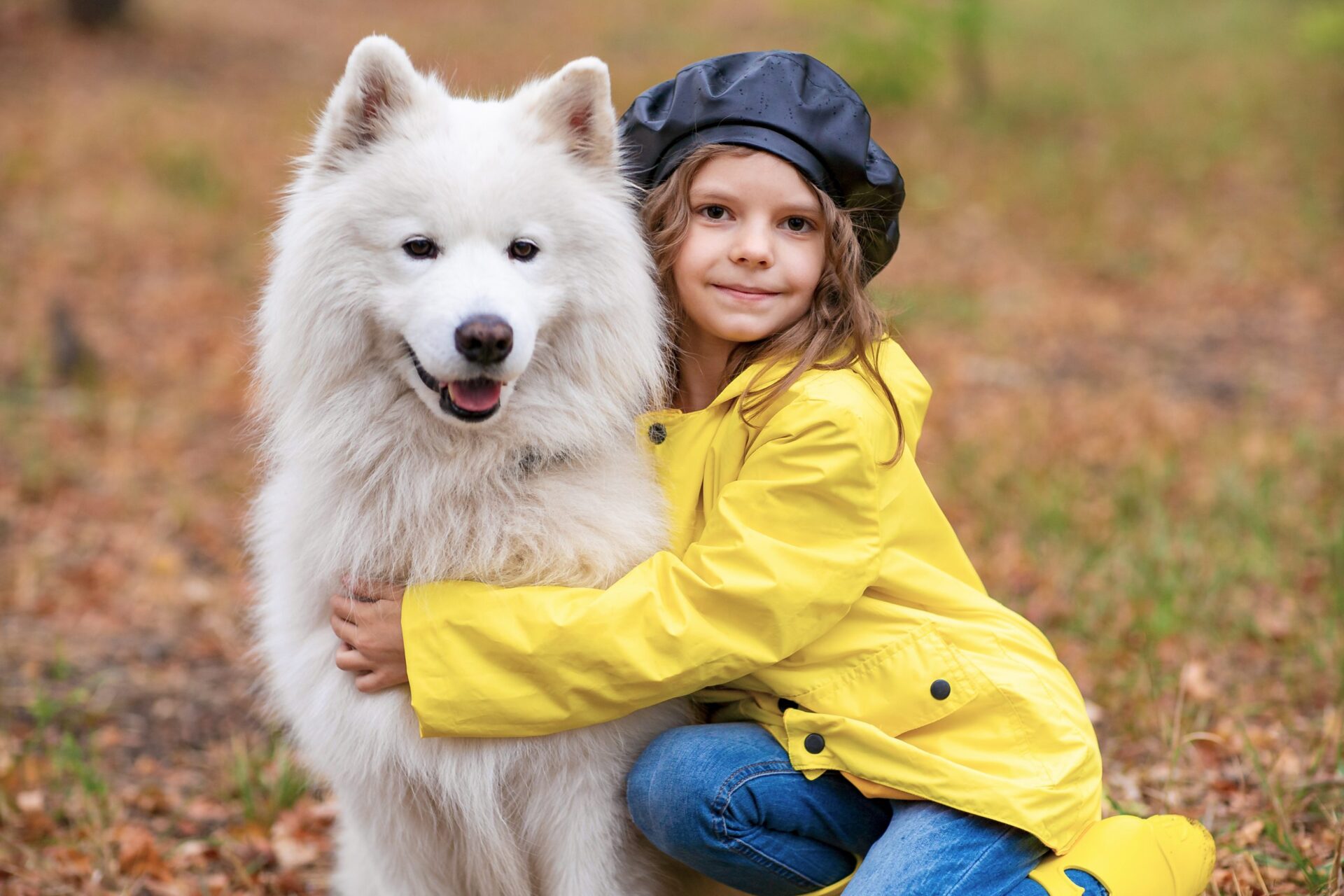
The Samoyed breed standard according to the FCI is defined as number 212 in group V, section 1. This breed of dog is known for its characteristic appearance, which presents itself in a unique way. Samoyeds have thick, white fur, which makes them look like large, fluffy clouds. The coat is double, consisting of a short, fine, dense undercoat and longer, harder, straight guard hair. Around the neck and shoulders, males have an abundant ruff, breeches on the thighs and abundant hair on the tail. The coat of Samoyeds is usually white, but can also have shades of cream and biscuit.
These four-legged dogs have a strong, well-built silhouette, which gives them elegance. The standard height of Samoyeds at the withers is 57 cm for males and 53 cm for females. Males reach a weight of 20-30 kg, and females 15-22 kg.
The head of the Samoyed is broad and shapely, with prominent cheeks and dark, intelligent eyes that often attract attention. The nose is usually black, and the mouth often has a specific "smile," giving it a friendly expression.
The ears of the Samoyed are medium-sized, erect and rounded at the tips, which emphasizes their cheerful nature. Their tail is thick and fluffy, often carried high on the back. Samoyeds are dogs full of energy, and their expressive and friendly appearance reflects their cheerful personality.
Representatives of the breed live on average 9-11 years.
Samoyed (Samoyed)
Samoyed - character
Samoyeds are dogs with an exceptionally friendly and sociable character. They are known for their joyful nature and famous "smile". This feature perfectly reflects their personality - they are extremely open dogs, full of energy and optimism. In addition, a characteristic feature of dogs of this breed (from puppyhood) is alertness. They listen carefully to various sounds and react to them lively (usually by barking). They combine interest in the surroundings with a cheerful and sociable disposition.
Samoyeds are exceptionally loyal and strongly attached to their family. They do not like being alone, they love being the center of attention and feel best surrounded by family members. When leaving them at home, we must take into account that they will demonstrate dissatisfaction through loud barking and even destructive behavior. They are very attached to their caregiver, demanding close contact, and are eager to participate in various forms of family activity. They are gentle and patient by nature, which makes them great in families with children. Their friendly attitude also extends to other animals - Samoyeds usually get along well with other dogs and cats.
Despite their gentle nature and charm, Samoyeds are active dogs that need plenty of exercise and mental stimulation. They have a natural need to work, stemming from their past as sled dogs and herding dogs. As such, they require regular walks, play, and interaction to maintain their happy state and prevent boredom. Insufficient exercise can lead to behavioral problems, such as excessive barking or destructive behavior.
Training and socialization
The representative of this breed does not tolerate coercion, unfair treatment and the aggressive, sharp tone of the owner. The Samoyed learns quickly and willingly, but requires patient, gentle, multi-stage training, consistent upbringing and early socialization, especially with small dogs, cats and other pets.
Due to their intelligence and independent nature, positive reinforcement training is the best way to build a strong bond with your dog. Harsh methods should definitely be avoided. Rewards such as treats, praise, and games can make training an enjoyable experience for both dog and owner. Elements of training such as basic commands (“sit,” “down,” “stay”) can be introduced as early as puppyhood.
Samoyeds love to play, so introducing playful elements into training is a great way to engage them. You can play fetch, which develops discipline and obedience in your dog. Games involving searching for hidden objects, such as treats hidden around the house or garden, engage their minds and stimulate their natural instinct to track. Samoyeds enjoy a variety of physical activities, so including outdoor games such as running or tug-of-war will help them burn off excess energy.
Early socialization of your Samoyed is essential to prevent behavioral problems in the future. It is important to introduce your Samoyed to a variety of people, animals, and situations from a young age so that they learn proper behaviors and develop self-confidence. It is worth organizing meetings with other dogs and taking your dog to different places so that they get used to new stimuli and learn how to interact properly.
Samoyed (Samoyed)
Health
Samoyeds are considered a healthy and strong breed. Snow, frost and low temperatures are the weather in which they feel best. On hot, hot days, they usually seek shade and a cooler, airy place. They should not be exposed to long sun exposures and it is best to avoid walks during the hottest time of day.
Samoyeds, like any breed, are prone to specific health problems. The owner should be aware of these risks in order to recognize them early and implement appropriate preventive measures. The most common health problems of Samoyeds include:
Hip dysplasia
Hip dysplasia is a condition that affects many breeds, including Samoyeds. It involves improper formation of the hip joint, which leads to pain and limited mobility. Symptoms include difficulty moving, stiffness, lameness, and avoiding physical activity. Regular check-ups with your vet, a proper diet, and maintaining a healthy weight can reduce the risk of developing hip dysplasia. It is also worth avoiding excessive exercise in young dogs during the growing phase, so as not to strain the joints. If dysplasia is suspected, your vet may order an X-ray.
Progressive Retinal Atrophy (PRA)
PRA is a genetic disease that leads to gradual deterioration of vision and eventually blindness. The disease develops gradually, and the first symptoms may appear in the form of problems with vision after dark or disorientation in familiar surroundings. Unfortunately, PRA is an incurable disease, but appropriate genetic testing of Samoyeds can help avoid passing on defective genes. It is worth choosing breeders who test their dogs for genetic diseases.
Diabetes
Samoyeds can be prone to diabetes, which is most often manifested by increased thirst, frequent urination, weight loss despite a normal appetite, and fatigue. Diabetes in dogs can lead to serious health problems if not properly controlled. A proper diet, regular blood tests, and monitoring the dog's weight can help prevent diabetes or detect it early. If diagnosed, insulin therapy and dietary adjustments are necessary.
Kidney failure
It is a serious disease that can develop gradually (chronic) or rapidly (acute). Symptoms include increased thirst, frequent urination, loss of appetite, vomiting, weakness and weight loss. In advanced cases, mouth ulcers and dehydration may occur. Treatment involves IV drips, medications to support kidney function and a specialist diet. Prevention includes regular blood and urine tests, taking care of your dog's diet, avoiding toxins and preventing dehydration. Early detection greatly improves your dog's chances for a longer and better life.
Coat and skin problems
Samoyeds have a thick, double coat that can cause skin problems such as allergies, irritations, and dermatitis. Symptoms include redness, itching, hair loss, or unpleasant skin odor. Regular brushing, especially during shedding seasons, helps keep the skin and coat in good condition. You should also regularly check your dog's skin, especially during hot weather when heat-related problems can occur. In the case of allergies or infections, your veterinarian may recommend special shampoos or medications.
Hypothyroidism
Hypothyroidism is a condition that causes your dog's metabolism to slow down. Symptoms include weight gain, weakness, hair loss, and lethargy. The condition can be controlled with medication. Regular blood tests can help detect hypothyroidism early. Once diagnosed, your veterinarian may recommend hormonal medication to help control symptoms.
Patent ductus arteriosus (PDA)
This is a congenital heart defect in which the ductus arteriosus fails to close in puppies after birth. It can lead to serious circulatory problems and even heart failure. Symptoms include weakness, fatigue, coughing, and difficulty breathing. When PDA is detected in young dogs, surgery is usually recommended to correct the problem. Regular heart checks by a vet can help detect conditions early.
Early detection of health problems in Samoyeds is crucial for their longevity and good condition. Regular visits to the vet, genetic testing by breeders, and a proper diet are the foundations of preventive health care for this breed. By taking care of these aspects, you can minimize the risk of serious health problems and enjoy a long, healthy life for your pet.
Samoyed (Samoyed)
Samoyed and nutrition
The Samoyed's diet should be balanced, adapted to the age, activity and conditions in which the pet lives. Both home-cooked food, enriched with vitamin and mineral preparations, and high-quality (high-calorie if the dog trains intensively) ready-made food for large breeds work well. Remember to supplement meals with substances supporting the development of joints (glucosamine), and during the period of intensive shedding, substances containing unsaturated fatty acids and preparations with biotin and zinc. An adult Samoyed should be fed once or twice a day. However, if the pet has a tendency to bloating and stomach problems, less abundant, more frequent meals usually help to minimize this problem.
Samoyed Care
Representatives of this breed can boast a shiny, dense undercoat, which primarily provides them with excellent protection against adverse weather conditions. However, this beautifully presented coat requires systematic care. Frequent brushing is essential, especially during the moulting period, which is twice a year. Especially during the period of intensive moulting, it is necessary to take care of removing the shedding hair every day, because neglect can lead to skin inflammation. Outside of this period, the Samoyed's coat should be combed once or twice a week, so that it does not become matted. A brush with wire teeth with perfectly smoothly ended long pins that separate the undercoat well will work best. It should be remembered that both brushing and combing the coat should be done "dry", then the hair does not electrify and does not break.
Samoyeds are usually bathed 3-5 times a year, using a special shampoo for white fur. Before bathing, the dog's fur must be combed and brushed. For dry cleaning, scented powder sprays can be used.
In addition, it is important to care for the teeth, ears and skin around the eyes of a Samoyed. It is worth brushing the teeth regularly or using special teethers to prevent tartar build-up and gum disease. It is recommended to do this 2-3 times a week. The ears of a Samoyed are susceptible to infections due to their structure. They should be checked regularly and cleaned with a gentle ear preparation to prevent the accumulation of wax and moisture. On the other hand, the skin around the eyes should be washed with a cotton pad soaked in warm water or a special liquid to remove dirt and prevent irritation.
Samoyed
Samoyed - summary
The Samoyed is a dog with a friendly, cheerful disposition, distinguished by its white, fluffy fur and characteristic "smile". This intelligent, loyal and energetic four-legged friend is an excellent family companion. It is patient with children and gets along well with other animals. To remain happy and healthy, the Samoyed needs proper care that takes into account its specific needs, early socialization and a large dose of physical and mental activity. This breed is ideal for active people who can devote the appropriate amount of time and care to their pet.
Most frequently asked questions
Where does the Samoyed breed come from?
The Samoyed comes from Siberia, where it was bred by nomadic Nenets tribes. It was used to pull sleds, guard reindeer, and hunt. Dogs of this breed were valued for their endurance, strength, and gentle nature.
What does a Samoyed look like?
The Samoyed is a dog with thick, white fur that makes it look like a fluffy cloud. It has a wide head, dark eyes and a characteristic "smile". Males reach 57 cm, and females 53 cm in height at the withers.
Are Samoyeds suitable for apartments?
The Samoyed can live in an apartment, but requires a lot of exercise and activity. This is an energetic dog that needs long walks. Without enough stimulation, it can show behavioral problems.
Do Samoyeds get along well with children?
Yes, the Samoyed is gentle and friendly, which makes it great for families with children. It is patient and sociable, and likes to play with the youngest, which makes it an ideal family dog.
How long does a Samoyed live?
Samoyeds live an average of 9 to 11 years. With proper health care and nutrition, you can extend their life and improve their quality of life. Regular visits to the vet are essential.
Have you ever wondered why your dog licks your face, hands or feet? This behavior, which we often perceive as an expression of love or affection, actually has a much deeper meaning. Licking is one of the most instinctive ways dogs communicate with both other animals and humans. Interestingly, it can be caused by a variety of reasons, from physical to emotional. What other secrets does this seemingly simple behavior hide? Discover the possible reasons why your four-legged friend so often seeks contact in this way.
The Basset Hound is an exceptionally friendly and loyal dog, known for its calm and balanced temperament. Its warm disposition and gentle behavior make it a great family companion. In addition, the Basset Hound has an extremely developed sense of smell, which makes it an excellent tracker. Despite its balanced nature, it is full of determination and perseverance. Its charming, melancholic gaze and charming long ears earn it a multitude of admirers around the world.
When a dog comes into our home, one question comes to mind first of all, what name to choose for the new family member? Finding the perfect one is not easy at all. Dog names are constantly on our minds. It is difficult to choose a name that will sound good, fit our pet, and at the same time we will like it. However, it is worth the effort and look for a name that reflects the unique character of the dog, after all, it will carry it throughout its life.