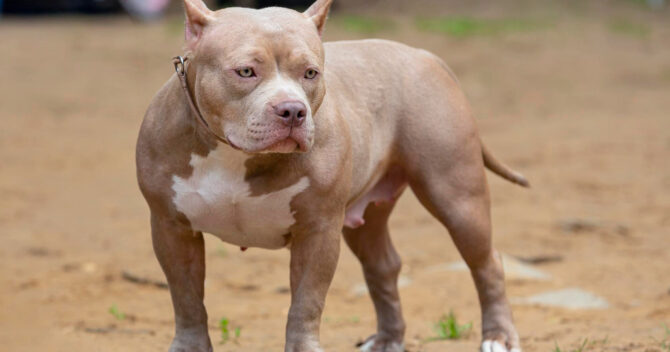
The American Bully is a relatively new breed of dog that originated in the United States in the late 20th century. Bred as a mix of bulldog and terrier breeds, it combines strength with a gentle, friendly disposition. Despite its impressive appearance, the American Bully is a sociable, loyal companion who is an excellent family dog. In addition, this breed is valued for its balanced temperament and ease of training. This makes it an ideal choice for both experienced owners and those who are just starting their adventure with four-legged pets.
The American Bully is a relatively new breed of dog that originated in the United States in the 80s and 90s. Its roots lie in the American Pit Bull Terrier and American Staffordshire Terrier, as well as other bulldog breeds that contributed to the development of this new variety. The breeders' goal was to create a dog with a more balanced temperament, combining strength, courage, and loyalty. At the same time, they wanted it to be calmer and friendlier than its ancestors. They focused on a milder temperament, which allowed them to create a dog with the appearance of a strong and muscular "bully", but with a more balanced psyche.
The original use of the dogs from which the American Bully originated was associated with breeds with a long history as working dogs. They were used mainly for fighting and for work in households. An important aspect of the original use of these dogs was also their versatility. Their strong defensive instinct, combined with courage and endurance, made them excellent defenders of homes and property.
The American Bully breed was officially recognized by the United Kennel Club (UKC) in 2013, although it had previously been registered by the American Bully Kennel Club (ABKC). Thanks to the commitment of breeders, active promotion of the breed on social media and the organization of shows and competitions, the American Bully gained popularity. It became especially valued in the dog lovers' community as a family companion. However, its past as a working dog is still important for understanding the breed and its physical and mental characteristics.
American bully
Appearance and physical characteristics
The American Bully is a dog with a muscular, compact and athletic build. Its impressive appearance, full of strength and determination, is at the same time balanced by softer features. It comes in several variants, which differ primarily in size and body proportions. The most popular are Standard, Pocket, XL and Classic. Depending on the type, the height at the withers can range from 33 to 50 cm, and the weight can range from 30 to 60 kg, although some individuals may be heavier.
The characteristic feature of all varieties of American Bully is a wide chest, strong limbs and clearly defined muscles. The dog has a proportionate head, wide and massive, with a clearly marked stop and a short muzzle. The ears are most often cropped, although natural ones are also found at exhibitions. The eyes can be of different colors, and their setting is deep, which gives the dog a determined but friendly expression.
The American Bully's coat is short, smooth and shiny and lies close to the body, which emphasizes the dog's muscular figure. The Bully has no undercoat, and its coat comes in almost every color and color combination. American standards do not allow merle (marbled) or albino (lacking pigment) coats.
American bully standard
Male American Bullies reach a shoulder height of 43 to 51 cm, while females reach a shoulder height of 40 to 48 cm. Weight varies depending on the proportions of the dog, usually around 30-40 kg. The standard Bully has a balanced appearance, meaning that it is both strong and agile without appearing heavy.
American bully pocket
This breed has the same proportions and characteristic musculature as the Standard, but is shorter. Males reach a shoulder height of up to 43 cm, and females up to 40 cm. The American Bully XL is the largest breed. Males can reach a height of over 51 cm, and females over 48 cm, although their maximum height is not precisely defined. Their weight can exceed 50 kg. Despite their impressive size, dogs of this breed are still harmoniously built and do not give the impression of being heavy.
American bully extreme
This variety is characterized by even more developed musculature and a massive body structure than the other types. Although it does not differ much from the Standard variety in terms of height, the Extreme has more exaggerated proportions - a wider chest, stronger limbs and a more powerful silhouette. The weight of dogs of this type is higher than in the standard, which gives them a very "powerful" appearance. An important difference from other varieties is that the Extreme variety may have some disproportions. These are accepted in the standard of this variety, while in others they could be considered faults.
American bully
Character and temperament
The American Bully is a dog with an exceptionally friendly, balanced and sociable character. It is very attached to its family and loves spending time with people. In contacts with children, it shows exceptional gentleness, patience, protectiveness and delicacy. The high tolerance of this breed of dog for touch and noise makes it an excellent companion for the youngest. However, the condition is that children are taught to respect their four-legged family member.
When it comes to other animals, the American Bully, especially when properly socialized from puppyhood, gets along well with other household pets. Early socialization is key to teaching the dog appropriate behaviors toward other animals and to minimize potential dominance issues. The American Bully demonstrates emotional stability in a variety of situations. It is neither a fearful nor an overly excitable dog. This means that it can thrive in both calm and more dynamic environments.
Care
The American Bully has relatively low maintenance requirements. However, regular grooming is important to keep him in good physical condition and health. Regular brushing of the short, smooth coat once or twice a week is enough to remove dead hair and dirt. It is a good idea to use a rubber brush or massage glove to improve blood circulation to the skin and give the coat a healthy shine. The skin of the American Bully is generally healthy and not very prone to dermatological problems. However, it is important to check it regularly for irritations, especially in the folds of the skin. It is important to keep these areas dry and clean to prevent infections. Bathing is recommended every few months or as needed, using a mild shampoo designed for dogs.
The American Bully's nails should be trimmed regularly, depending on their growth rate and natural wear. Dental, ear and eye care are just as important as for any other breed. Regular brushing of the teeth with dog toothpaste and the use of special chews will help maintain oral hygiene. The ears of the American Bully should be checked regularly for dirt and infection, especially if they are natural and not cropped. By gently cleaning with a damp cloth or special ear care product, you can prevent the build-up of wax.
You should also constantly check the condition of the bully's eyes - whether there is any inflammation in the area, which can cause irritation. The basis of dog eye care is washing and checking them. So we check whether there is no purulent discharge from the dog's eye or whether it is not red. The bully's eyes should be washed with products intended for this purpose. However, if we do not have such products, we can wash the eyes with physiological saline, boiled water or an infusion of chamomile or eyebright. It is best to use ordinary gauze pads for this purpose.
American bully
Health
The American Bully is generally a healthy breed, but like other breeds, it can be prone to certain health issues. Understanding common health conditions and knowing how to recognize, treat, and prevent them is key to keeping your dog in good health. For this reason, regular vet visits (at least once a year) and proper preventive care are essential.
Hip and elbow dysplasia
This disease involves improper development of joints, which can lead to limb pain and difficulty moving. A dog suffering from dysplasia often shows symptoms such as stiffness, limping, or difficulty standing up. Depending on the severity of the disease, treatment may include anti-inflammatory medications and physical therapy. In more serious cases, surgery may be necessary. To prevent dysplasia, it is especially important to avoid excessive exercise in young quadrupeds and to control their weight throughout their lives.
Skin allergies
Another common problem for American Bullies is skin allergies, which can be caused by a variety of factors, such as food, the environment, or contact with allergens. A dog suffering from allergies will often scratch, its skin will become red, and its fur may fall out in some areas. Depending on the cause, treatment may include dietary changes, antihistamines, or corticosteroids. It is important to bathe your dog regularly and keep its skin clean, which will help prevent irritation.
Respiratory diseases
Dogs with short snouts, especially those of the Extreme variety, may have breathing problems. This usually manifests itself through snoring, difficulty breathing, and fatigue during physical activity. To alleviate these symptoms, the owner should avoid excessive exercise in their pet (especially on warm days) and take care of their physical condition. In extreme cases, surgery may be necessary to improve the patency of the airways.
Cardiological problems
Heart disease, such as cardiomyopathy, can also affect the American Bully. Symptoms that may suggest heart problems include exercise intolerance, shortness of breath, coughing, and in more serious cases, brief blackouts. Treatment includes the use of appropriate medications and limiting the intensity of physical activity. Regular check-ups with the vet help to detect such problems early and to provide appropriate treatment.
American bully
Training and socialization
The American Bully is intelligent and eager to learn, which makes him respond well to various training methods. However, because of his strength and energy, it is important to start training early. In addition, you should use the right methods to help shape an obedient and balanced dog.
Positive reinforcement and early socialization
The most appropriate training method is positive reinforcement. This means rewarding your dog for good behavior with praise, treats, or toys, rather than punishment. It is important to keep training sessions short but regular, which will help keep the bully focused and prevent boredom. Early socialization is another very important issue. An American bully that is exposed to a variety of stimuli from a young age adapts better to life in society. Such stimuli include contact with other dogs, people, children, and different environments.
Socialization can help minimize potential behavioral problems in the future, such as anxiety, aggression, or dominance. The first few weeks of a puppy's life are the perfect time to introduce them to new experiences. This early exposure will positively impact their self-confidence and emotional stability.
Physical and mental activity
Examples of appropriate training for an American Bully include basic commands such as “sit,” “stay,” “come,” and “come.” Teaching your dog basic obedience from a young age makes it easier to control him. This is especially important because adult dogs of this breed are strong and can be difficult to control without prior training. It is also important to teach your dog to walk on a leash without pulling, which will improve the comfort of shared walks.
In addition to obedience training, it is worth introducing elements of mental training and play that stimulate the dog intellectually. The American Bully loves various types of games with elements of searching, such as hiding treats around the house or in the yard, as well as tug-of-war. These are activities that not only strengthen the bond between the dog and the owner, but also help to release energy. It is also worth considering agility training or other forms of physical activity that will help keep the dog in good physical and mental condition. The American Bully, although not as agile as other sporting breeds, can still derive great joy from physical activities. He especially likes those that engage both his body and mind.
Nutrition
Due to its strong build and muscular physique, the American Bully needs a well-balanced diet. It should be rich in high-quality protein sources and healthy fats. At the same time, it should be calorie-controlled to avoid health problems related to being overweight. Foods containing meat, such as beef, chicken, lamb or fish, are good choices. Choosing the right quality food is crucial, as cheap products may contain low-quality fillers with little nutritional value.
Appropriate dietary components
The American Bully also needs healthy fats, which are a source of energy and support a healthy skin and coat. Omega-3 and omega-6 fatty acids, found in fish or fish oils, are particularly beneficial for this breed. Helping to maintain a healthy and shiny coat.
Carbohydrates also play an important role in the diet. These ingredients are found especially in vegetables, fruits and cereals. In the case of cereals, it is best to choose products that are as minimally processed as possible. A good choice are whole grain cereal products such as: millet, oat and spelt flakes, buckwheat, barley and brown rice. However, it should be remembered that too many low-quality carbohydrates can lead to excess weight. And this is especially dangerous for breeds with a massive body structure, such as the American Bully.
Supplementation
Adequate amounts of vitamins and minerals are another important part of nutrition that supports the health of your dog's bones, joints, and immune system. Depending on the age, size, and activity level of your dog, supplements may be necessary. Glucosamine and chondroitin are examples of ingredients that support joint health.
Adjusting the diet to the dog's needs
It is also important to control the amount of food you feed and avoid overfeeding. Excess weight can lead to joint, heart and general health problems. Feeding should be tailored to the age, activity level, health and size of your dog. Puppies, adult and senior dogs require different proportions of nutrients, so it is important to adjust the diet to the current needs of your pet.
Avoid feeding your American Bully leftovers and processed foods. These types of foods can contain ingredients that are harmful to your dog, such as salt, spices, sugar, and saturated fats. Instead, invest in a specialized diet or prepare your own meals under the supervision of a veterinarian if you prefer a natural diet.
American bully
American bully as a family dog
One of the most important features of this breed is its strong attachment to humans. The American bully loves spending time with loved ones, and is a loyal and devoted family member. Thanks to its balanced temperament, it adapts perfectly to life in the city and in the countryside. In addition, it can successfully adapt to life in an apartment or a house with a garden. It is worth remembering, however, that the bully is a breed strongly attached to its family, so it is not suitable for living exclusively outdoors. Regardless of the housing conditions, it is crucial to provide the dog with the right amount of exercise, mental stimulation, and attention.
Summary – American Bully
The American Bully is a breed characterized by an impressive body structure and a gentle, loyal and friendly character. It is an intelligent four-legged companion who finds himself perfectly as a family member. Especially in homes with children, where his patience and protectiveness become invaluable. Thanks to his calm disposition, the American Bully can adapt to various living conditions. He feels great both in a house with a garden and in an apartment.
In terms of care, the Bully is not demanding. As with any breed, regular health care, proper nutrition, the right amount of physical activity and mental stimulation are key. In addition, it is worth introducing early socialization and friendly training to shape the balanced character of your four-legged friend.
If you are looking for a dog with a calm temperament that quickly bonds with the family, while also fulfilling the role of a guard, the American Bully may be the perfect choice for you and your loved ones. This is a dog that needs close contact with humans and is only happy when it becomes an important part of home life.
Most frequently asked questions
Where does the American Bully breed come from?
The American Bully comes from the United States and was created in the 80s and 90s. The breed is descended from the American Pit Bull Terrier, American Staffordshire Terrier, and other bulldogs.
What does an American Bully look like?
The American Bully is a dog with a muscular build, a broad chest, and a short, smooth coat. It comes in a variety of sizes and has a proportionate head with a short muzzle.
Is the American Bully suitable for apartments?
Yes, the American Bully adapts well to apartment living. However, it does need daily exercise to satisfy its energy and activity needs.
Does the American Bully get along well with children?
The American Bully is gentle and patient with children, showing care and gentleness. However, it is important to teach children how to behave appropriately around the dog.
How long does an American Bully live?
The American Bully has an average lifespan of 10 to 12 years. Proper care, diet, and regular visits to the vet can prolong its life.
The Boston Terrier is a small but energetic breed of dog, known for its distinctive appearance and cheerful temperament. These elegant dogs with short, smooth fur and large, expressive eyes have a friendly, sociable disposition. In addition, Boston Terriers are intelligent, easy to train. They also show great devotion to their owners, making them excellent four-legged companions.
Kennel cough is a common respiratory disease in dogs that spreads easily. It presents with a characteristic, dry, paroxysmal cough that is often confused with retching. Kennel cough is usually harmless, but in more severe cases it can lead to pneumonia, especially in puppies and older dogs. For this reason, early diagnosis and treatment are crucial to avoid complications and ensure a quick recovery for your pet.
The Irish Wolfhound is a true giant with a heart of gold. His majestic figure, rough coat and gaze full of wisdom attract the attention of everyone who sees him. This former wolf slayer from Ireland is now an affectionate family man who feels at home with his family. He offers his loved ones unconditional loyalty, gentleness and peace that make life with him a pleasure.