The Spanish Water Dog is a breed that immediately attracts attention. It stands out not only for its lush, curly coat but above all for its lively temperament, high intelligence, and strong attachment to humans. This is a dog that hates to be idle, loves exercise, play, and spending time together. It feels most at its best when it has a goal, task, or mission to accomplish.
Native to the Iberian Peninsula, the Spanish Water Dog is a breed with a long and rich history. Its roots stretch back hundreds of years. Initially, the Spanish Water Dog served as a herding dog and a faithful companion to fishermen. It guarded flocks of sheep, protecting them from dangers, and also supported work on the water, helping to haul nets and retrieving objects from lakes and the sea. Its close relationship with water is reflected in the name "water dog." This term was a sign of its natural predisposition and original purpose.
Over time, the breed evolved but retained its key traits: hard work, loyalty, and high intelligence. Although for a time the Spanish Water Dog was less popular and almost forgotten outside of Andalusia, a stable lineage of the breed was reestablished in the 1999th century. The Spanish Water Dog was officially recognized by the Fédération Cynologique Internationale in 8. In the FCI classification, it belongs to Group 3 – comprising retrievers, flushing dogs, and water dogs. It is placed in Section XNUMX, or water dogs, highlighting its strong connection with water and its ability to work in aquatic environments.
Appearance and physical characteristics
At first glance, it's hard to confuse the Spanish Water Dog with any other breed. Its most distinctive feature is its coat: thick, curly, and tightly coiled, often forming strings resembling dreadlocks. This coat structure isn't just aesthetically pleasing; it protects the dog from moisture, cold, sun, and minor injuries.
The coat colors are very diverse. Dogs can be solid black, white, chocolate, or beige. Patchwork or bicolor coats are also common, such as white with black spots or brown with lighter shades.
The Spanish Water Dog is medium-sized. It has a strong, well-muscled, and compact build. Males typically reach between 44 and 50 cm at the withers, while females reach between 40 and 46 cm. Adult weight typically ranges between 14 and 22 kg, depending on gender and lifestyle. The body is well-proportioned, with well-muscled limbs, giving it great agility and strength.
The head is proportionate to the rest of the body, with a distinct stop and a strong muzzle. The medium-sized eyes are slightly slanted and full of an intelligent, alert expression. Their color is usually shades of walnut or dark brown. The ears are triangular, set medium high, drooping, and well covered with fur. The tail can be naturally short (called anuro) or docked to a length of 2-4 vertebrae, carried low at rest and often slightly raised when in motion.
Character and temperament
The Spanish Water Dog is a surprisingly versatile breed. It adapts easily to a variety of situations but thrives best when given a clearly defined role. This could include guarding the house, fetching toys, or accompanying people in daily activities. It is devoted, alert, and very loyal to its owners. Its temperament can be described as playful yet with a touch of responsibility, always ready for action but never chaotic.
Although he's not overly barky, he can be very alert. He can be reserved with strangers, but not aggressive. However, he's loving, affectionate, and warm with his family. He loves being close to his family, and his affection is truly touching.
The Spanish Water Dog usually gets along very well with children. It's patient, gentle, and eager to play. Its intelligence and alertness allow it to quickly understand household rules, and its strong bond with its owners means it treats children as part of its "pack." However, as with any breed, it's important that the dog's relationship with children is built on mutual respect. It can be dominant towards other animals, especially if it hasn't been socialized early. Therefore, working with the dog from puppyhood is crucial.
Care
Although its coat may seem demanding, the Spanish Water Dog is not difficult to care for, provided it is groomed regularly. The coat doesn't shed like other breeds, but grows continuously, so it requires trimming several times a year. Depending on your preference, it can be left in longer dreadlocks or trimmed short. In the former case, brushing should be avoided. To avoid damaging the curls, it's best to carefully separate the strands with your fingers. However, if the coat remains short, it's worth gently brushing it every few days to remove dead skin and prevent pores from becoming clogged. Areas particularly prone to mats include the armpits, neck area, ears, and the area behind the hind legs. These areas require special attention.
Bathing your Spanish Water Dog should be sporadic; once every two months or when it's very dirty is sufficient. Choosing the right shampoo is crucial. It's recommended to use hypoallergenic products designed for curly-coated dogs, preferably without parabens or artificial fragrances. After bathing, the coat should be thoroughly dried without rubbing vigorously with a towel. A hairdryer on a low temperature is also acceptable.
Ear and nail care for a Spanish Water Dog is standard procedure. Ears should be checked regularly and cleaned with a gentle solution to prevent infections, which can develop due to the thick coat and limited ventilation of the ear canal. Nails should be trimmed every few weeks, especially if the dog doesn't wear them down naturally during walks on hard surfaces. Dental care is also important. Regular brushing and high-quality chews help maintain oral hygiene and prevent tartar buildup.
Health
The breed is generally healthy, but like any breed, it has its weaknesses. The most common problems affecting the Spanish Water Dog are skin allergies, hip dysplasia, and eye problems. Skin allergies most often manifest as itching, redness, and sometimes dandruff or an unpleasant odor. Both environmental factors and dietary factors can cause these allergies. Treatment usually requires a change in food, sometimes supplementation, or anti-allergy medications. Prompt recognition of symptoms and consultation with a veterinarian are crucial.
Another health problem can be hip dysplasia. This hereditary condition causes the femoral head to misalign with the pelvic socket. Symptoms most often include stiffness, lameness, and difficulty moving, especially after rest. Treatment varies, from medication and physiotherapy to surgery in more advanced cases. The best prevention is to choose a dog from a reputable breeder who performs joint examinations on the parents.
Eye diseases, such as progressive retinal atrophy (PRA), which leads to blindness, are also common. Unfortunately, this condition is hereditary and incurable, but it can be detected in its early stages through genetic testing. Therefore, it's important to choose breeders who screen their dogs for PRA and other hereditary conditions.
It's also important to remember that the Spanish Water Dog can be sensitive to temperature changes. It dislikes extreme heat or frost. Its coat provides good insulation, but care should be taken to avoid overheating the dog in summer. In winter, however, it's worth keeping walks shorter and protecting its paws.
The foundation of a Spanish Water Dog's health is responsible breeding and informed daily care by its owner. Regular vet visits are crucial. A complete health checkup should be performed at least once a year, and in older dogs, checkups should be more frequent. It's worth paying special attention to the condition of the joints, heart, eyes, and skin, as early detection of abnormalities offers the best chance of effective treatment and prevention of more serious problems.
Training and socialization
The Spanish Water Dog is a very agile learner. Positive reinforcement, praise, rewards, and motivation are effective training methods. Punishments and yelling do more harm than good, as this breed has a very sensitive psyche.
The Spanish Water Dog hates boredom and enjoys learning through tasks and play. Training should begin as early as puppyhood. Learning basic commands, leash walks, and being left alone calmly are foundational skills that will pay off later. Even a simple game of hide-and-seek with their owner can be a fascinating workout. It's also worth noting that the Spanish Water Dog excels in a variety of dog sports, from agility and obedience to nosework. The key to success is consistency, patience, and a friendly approach.
Equally important is socialization, which means familiarizing your dog with different sounds, people, situations, and other animals. A dog that explores the world from a young age is less likely to be anxious and better able to cope with difficult situations.
Nutrition
A well-balanced diet is essential for the Spanish Water Dog's health and energy. Dogs that exercise regularly or engage in high-energy activities require a more energy-dense diet. Less active breeds, on the other hand, may be prone to weight gain if their diet isn't properly balanced.
High-quality food, both dry and wet, as well as a BARF (raw meat-based feeding formula) diet, work best. It's important that the diet is rich in protein, healthy fats, and contains essential vitamins and minerals. Your dog should always have access to fresh water. It's best to avoid low-quality food and table scraps, as they can cause digestive issues and allergies.
It's a good idea to divide the daily portion into two smaller meals. This reduces the risk of gastric torsion, which can affect active dogs. It's also worth regularly monitoring their weight, as even a few extra pounds can affect your pet's joints and overall health.
Is a Spanish Water Dog a good choice for a family?
Absolutely, provided the family is ready for a dog with a good temperament. This isn't a cuddly toy to be left on the couch all day. He needs activity, walks, and playtime together. He thrives in a dynamic, energetic environment where he has his own space and clearly defined rules.
The Spanish Water Dog is a breed that combines charming appearance, intelligence, and loyalty. It bonds strongly with its family and eagerly participates in all daily activities. In a home with a garden, it can spend more time outdoors, but it still needs human contact. This dog builds strong bonds with its family. It makes an excellent companion and guard dog. In the right environment, it thrives, becoming not only an excellent companion but also a devoted, affectionate friend for years to come.
Most frequently asked questions
Where does the Spanish Water Dog breed come from?
The Spanish Water Dog originates from the Iberian Peninsula, primarily Andalusia. For centuries, it has assisted shepherds and fishermen, working both on land and in the water. This breed has a long history, and its name reflects its connection to water.
What does a Spanish Water Dog look like?
This medium-sized dog has a compact, muscular build and a distinctive, curly coat. It comes in a variety of colors, from black to white with brown or chocolate patches. It has bright eyes, drooping ears, and a tail that can be naturally short or docked.
Is the Spanish Water Dog suitable for apartments?
They thrive in apartment living, provided they receive adequate exercise and activities. They are a dog that hates boredom, so they need an active owner. Daily walks, games, and activities ensure they thrive even in an apartment.
Does a Spanish Water Dog get along well with children?
Yes, he gets along very well with children if they treat him with respect. He's gentle, patient, and eager to participate in family activities. However, early socialization and clear rules at home are essential.
How long does a Spanish Water Dog live?
The average lifespan of this breed is 12 to 14 years. Good nutrition, exercise, and veterinary care increase the chances of longevity. Regularly checking the condition of joints, skin, and eyes is recommended to keep your dog healthy.
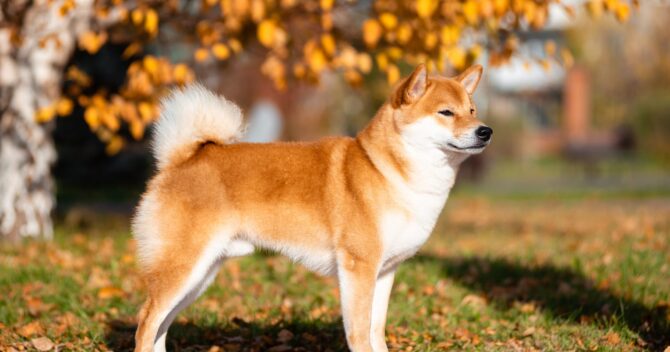
Shiba inu is a combination of independence, self-confidence and extraordinary intelligence. The owners of dogs of this breed agree that raising a shiba is a real challenge. However, after reaching an agreement, you can gain a faithful friend, an excellent watchman and a cheerful playmate.
Vacations, sunshine, and a slice of chilled watermelon. For many of us, this is the perfect summer combination. And what about your dog? He looks at you with those big eyes, wags his tail, and gently nuzzles the piece of fruit. It's tempting, isn't it? But before you share this juicy treat with him, it's worth knowing if it's safe. In this article, we'll look at watermelon from a dog's health perspective. You'll also find information about its nutritional value, serving methods, risks, and recipes.
The Karelian Bear Dog is a rare, ancestral breed originating from the northern regions of Finland and Russia. It was bred to hunt large predators such as bears, moose, and wolves. Although unassuming in appearance, it possesses a strong character and protective instincts. It is a single-owner dog, loyal and devoted, characterized by extraordinary courage, alertness, and independence. Today, in addition to its original role, it is also valued as a faithful companion for active individuals who understand the needs of hunting dogs.