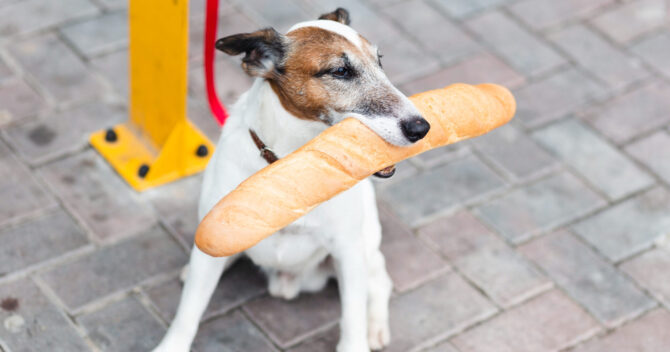
Bread in a dog's diet
Many owners wonder if sharing a slice of bread with their pet is a good idea. Dogs look at them pleadingly, and owners often give in. However, it's worth considering bread from the perspective of the animal's health. Bread isn't a product with high nutritional value for dogs. It's composed primarily of flour, yeast, and water, providing primarily carbohydrates. A dog's body thrives on animal protein and fat. Carbohydrates can only be a supplement, and excess carbohydrates can lead to obesity and digestive problems.
A single bite of bread won't harm a healthy dog. The problem arises when the owner treats bread as a regular part of their diet or a daily reward. This habit brings no benefits and can gradually burden their body. It's important to remember that dogs don't need bread to function properly.
Bread also varies in composition depending on the type. A slice of white bread affects a dog differently than a whole-grain loaf or a special gluten-free baked good. Each requires a separate approach. The most important rule is to treat bread as an occasional treat, never as a full-fledged meal.
What makes bread tempting to dogs?
There are several reasons why a four-legged friend reaches for a slice of bread with interest. The aroma of freshly baked bread is enticing not only to humans. The yeast and baked crust emit an intense aroma that quickly attracts the four-legged friend's attention. At this point, the dog is guided more by instinct and curiosity. If it sees its owner enjoying the bread, it finds it appealing.
Sometimes, a dog may become bored and start snacking on anything within reach, treating it as a form of play. Or, let's not forget about simple hunger; every bite (even a slice of bread) becomes especially appealing.
Moreover, it's long been known that dogs are masters of observation. If they notice their owner regularly offering them a piece of bread, they will quickly learn to come to the table. Therefore, it's worth monitoring their habits and avoiding unnecessary rituals.
Can dogs eat bread? Types of bread and dog health.
Bread isn't a uniform product, and its impact on a dog's health depends largely on the type and ingredients used. The differences between white bread, whole-grain bread, and gluten-free bread are significant. Each type can have a different effect on a dog's body. It's worth taking a closer look to determine whether a given slice represents a neutral addition or a potential threat.
White bread
The most common type found in many homes. It's made from highly refined wheat flour, which is devoid of most nutritional value. In practice, this means it's primarily a source of simple carbohydrates. For dogs, white bread is considered a "empty calorie" product. As a result, it only satisfies (for a short time) while providing no vitamins or minerals to the diet.
Regular consumption leads to weight gain and strains the digestive system. An occasional bite won't do any harm, but it won't provide any benefit either.
Whole grain bread
Baked goods made with whole wheat flour or grains provide more fiber, minerals, and B vitamins. While theoretically better than white bread, excess fiber can be problematic for a dog's stomach, resulting in bloating, diarrhea, or gas. Whole-grain bread has greater nutritional value, but it still doesn't meet a dog's needs to the same degree as meat or vegetables. Small amounts given occasionally shouldn't cause any harm, but it's not suitable for a daily diet.
Gluten-free bread
It's becoming increasingly popular in human cuisine. Many owners believe that since gluten-free bread benefits them, it can also benefit their dogs. In reality, such bread often contains numerous additives to improve texture and flavor: potato starch, corn flour, thickeners, or guar gum. These ingredients can be difficult for animals to digest. Furthermore, gluten-free bread doesn't necessarily mean a healthier product. Gluten-free bread doesn't matter to most dogs who don't suffer from gluten intolerance.
Bread with toppings
The greatest danger lies in fortified breads. Popular varieties include breads with seeds, dried fruit, garlic, and onions. Unfortunately, some of these additives are toxic to dogs:
- Raisins and grapes – can damage the kidneys.
- Garlic and onion – lead to hemolytic anemia, which in extreme cases is life-threatening.
- Macadamia nuts – cause vomiting, weakness and problems with the nervous system.
- Grains with a lot of fiber – may cause abdominal pain and diarrhea.
This type of bread should absolutely not be fed to a dog. Even a small amount can be dangerous.
Bread in various forms and your pet's health
Ultimately, no type of bread deserves to be called a healthy snack for a dog. The only exceptions might be in exceptional circumstances, such as when a piece of dry bread helps administer medication or soothe the stomach. In such cases, the owner must ensure that the bread does not contain harmful additives.
Can dogs eat bread? Benefits and risks.
At first glance, bread seems harmless. It contains some fiber, provides a feeling of fullness, and in exceptional situations, it can be used to administer medicine. A small amount of stale bread can even alleviate mild stomach problems.
However, there are definitely more disadvantages to feeding your dog bread. First and foremost, regularly feeding it slices of bread promotes rapid weight gain, which can ultimately lead to health problems related to obesity. Bread also lacks valuable nutrients that support your pet's proper development and well-being. Furthermore, it places an unnecessary burden on the stomach and intestines.
Additionally, some dogs may develop food intolerances or allergies, which can manifest as diarrhea, flatulence, or itchy skin. It's also worth remembering that some types of bread contain additives like garlic, onion, or spices, which can be toxic to dogs and pose a serious health risk.
The bottom line is that bread doesn't provide anything a dog needs on a daily basis. It should only be considered a special treat, never a part of their daily diet.
Symptoms of intolerance and allergy to bread ingredients
Some dogs react negatively to bread. Symptoms appear quite quickly and can be easy to spot. They most often affect the digestive system, but can also affect the skin or general well-being.
Signs to look out for include: diarrhea, bloating, frequent gas, itchy skin, redness, licking of paws, lethargy, lack of energy, vomiting, and loss of appetite. In more severe cases, breathing difficulties may also occur.
It's worth remembering that gluten or yeast intolerance can occur in dogs just as it does in humans. In such situations, it's best to eliminate bread completely and consult a veterinarian about the diet.
Safe alternatives to bread in a dog's diet
If an owner wants to reward their dog or share a snack, there are many safe options. Instead of bread, it's worth choosing products that support health and are easy on the stomach.
Recommended bread substitutes:
- vegetables: carrot, pumpkin, zucchini, cucumber,
- fruit: apples, blueberries, seedless watermelon, banana in a small amount,
- cooked meat: chicken, turkey, beef without spices,
- training treats created especially for dogs,
- natural teethers: dried meat, beef ears, tendons.
Such snacks are not only safe, but also have a beneficial effect on the teeth, facilitate digestion and improve the dog's well-being.
How to properly feed your dog to avoid health problems?
A healthy dog needs a well-balanced diet that contains adequate amounts of protein, healthy fats, vitamins, and minerals. Bread provides none of these nutrients and should not be considered a daily part of the diet.
To avoid health problems, it's worth following a few simple rules. Regularly feeding your pet at set times helps maintain a healthy digestive rhythm. It also provides your pet with a sense of security. Controlling calorie intake based on activity levels protects against excess weight and its consequences. Choosing high-quality food or a well-planned BARF diet tailored to the needs of your specific four-legged friend is also crucial. Avoiding products containing salt, spices, or sugar, which can be harmful, is also crucial. Of course, ensuring your dog has constant access to fresh water is fundamental to daily care.
Nutritional prevention is crucial. A proper diet reduces the risk of chronic diseases, supports immunity, and influences the length and quality of your pet's life.
Can Dogs Eat Bread? Practical Tips for Dog Owners
The question of whether dogs can eat bread comes up frequently, and it has one fairly simple answer. An occasional piece of bread given to a healthy dog won't cause any problems, but bread shouldn't become a part of a daily diet. White, whole-grain, or gluten-free bread don't provide the nutrients a dog's body truly needs. Furthermore, many baked goods contain harmful additives, such as onions, garlic, or raisins. In such cases, even a small amount poses a risk to your pet's health.
Instead of bread, choose healthier snacks: carrot sticks, seedless apples, cooked meat, or special dog treats. These products better support your pet's health while also providing joy. It's crucial to treat your dog's diet as a preventative measure. Regular, high-quality meals, weight control, and regular vet visits are the foundation for a long and happy life.
Most frequently asked questions
- Can a dog eat bread?
An occasional bite of bread won't harm a healthy dog. However, bread has no nutritional value for dogs. Regularly feeding it can lead to obesity and digestive problems.
- Which bread is safest for a dog?
Small amounts of plain bread without any additives are safest. Avoid bread with onions, garlic, dried fruit, and spices. These ingredients are toxic to dogs.
- What symptoms may indicate bread intolerance?
Symptoms include diarrhea, bloating, itchy skin, lethargy, vomiting, and loss of appetite. In extreme cases, breathing difficulties may occur. In such cases, a visit to the vet is necessary.
- Is this a snack for your dog instead of bread?
Better choices include vegetables (e.g., carrots), fruit (e.g., a seedless apple), cooked meat, and dog treats. These foods support health and are easy on the stomach.
- Can bread be part of a dog's daily diet?
No, bread shouldn't be a daily part of your dog's diet. Your dog doesn't need it to function properly. It's better to focus on nutritious meals and preventative measures.
Maybe you'll like it: