-15% on all HARNESSES | Delivery time up to 7 business days 🪡🚀
Border collie - a companion with unlimited amounts of energy
Border collie - a companion with unlimited amounts of energy
Date: February 19, 2025 (updated: February 19, 2025) Category: Blog, Dog breeds,
Border collie is a breed that belongs to the group of herding dogs. He is considered one of the most intelligent dogs. He has unlimited amounts of energy, great temperament and a happy disposition. He is perceptive, quick-witted and tireless.
The modern Border Collie is a descendant of working (utility) collies kept on farms on the borders of England and Scotland. This is where its name comes from: in the Celtic dialect "collie" means anything useful, and the word "border" - borders. The first mention of a hardy and hard-working sheepdog, who drove a flock of sheep from the pasture, can be found in records from 943. However, the exact description of this breed comes from John Caius' book "De Cannibus Britannicus" published in 1573.
Over the centuries, the number of these dogs grew, spreading throughout almost the entire Europe. Over the years, the abilities, advantages and skills of this breed were tested, selection was made for their usefulness in work, so that they could be of help to people. Farmers needed Border Collies both for work in herding and for driving the flock to market. At the end of the 1916th century, this breed of dog was distinguished under the name of "working sheepdog" and the first British sheep-herding competitions were organized with their participation. The breed was officially named in XNUMX by James Reid. Over time, Border Collies also began to end up in homes where there were no sheep or cattle at all. For this reason, some Border Collies lost their instinct for work to some extent.
Suggested sizes and widths of accessories for this breed of dog:
Here are the suggested sizes for adult dogs of this breed. They were selected on the basis of many years of experience in sewing accessories and the most common choices of other dog owners of this breed. Remember, only measuring will give you 100% certainty - every dog is different.
The Border Collie is a medium-sized, extremely agile sheepdog with a proportionate, athletic build. It moves with great grace and lightness, which is why it is a pleasure to watch its every move. Individuals of this breed reach a height at the withers of 47–55 cm, and their body weight is 15–20 kg. Males have larger dimensions than females.
The Border Collie is characterized by a wide head, a clearly marked stop and a slender silhouette. It has calm, alert eyes, most often brown, less often blue. The Border Collie has widely spaced ears, which are usually erect or slightly raised. The tail is held low, except for moments when it is excited. It has beautiful, short or semi-long fur with an undercoat. Its coat comes in several color variants, but the fur cannot be predominantly white.
The most common shades and hair combinations are:
Variety
Color
black and white
Black and white
slate tricolor merle
dark gray, marbled with tan
sweet merle
dark gray, marbled
black tricolor
black and white with tan
blue and white
lightened black with white
chocolate and white
chocolate-white
chocolate tricolor merle
chocolate, marbled with burns
ee red (australian, golden, yellow) and white
red and white
sweet merle
light gray, marbled
slate tricolor merle
light gray, marbled with burns
lilac and white
lilac-white / highlighted, chocolate with white
lilac tricolor
lilac-white with burns
lilac merle -
lilac, marbled
lilac tricolor merle
lilac, marbled with burns
sable and white
sable and white
bridle
the presence of stripes or stripes on the hair
blackbird
marbled
mottled
the appearance of spots or spots on the hair
Border Collie Character
The Border Collie is characterized by a great temperament and dual nature: on the one hand, determination in action, on the other, submissiveness to the owner. It has extraordinary intelligence, a cheerful disposition and inexhaustible reserves of energy. It is an excellent playmate, a loving and faithful quadruped. Experience shows that the Border Collie is hard to tire, but easy to get bored. A dog of this breed requires constant physical activity and mental training. Because it needs a lot of exercise, it loves various games and long walks, especially those on which it can run freely. Thanks to its high intelligence, it is easy to train, it learns very quickly, even advanced tricks. However, when raising this quadruped, it is worth finding a balance between physical activity and rest and after playing, leaving it time and space for itself.
Education
Raising a Border Collie is a process that requires commitment, consistency, and understanding of the specifics of this breed. This is an exceptionally energetic dog, which means that the owner should be prepared for daily work with the pet. If we provide it with a large portion of games and the right amount of activities, it will reward us with obedience and devotion. The Border Collie is an excellent companion for people who like physical activity and want to train with their quadruped. In its upbringing, it is necessary to focus on consistent teaching of concentration and control over character, as well as regular movement combined with specific tasks. Due to its tireless energy, a house with a garden is an excellent place to live for this breed.
Training
The Border Collie is a breed that stands out for its extraordinary intelligence, energy and willingness to work. Proper training and socialization play a key role in shaping their character and skills. With the right approach, you can raise a dog that is not only obedient, but also happy and balanced.
Border Collie training should be based primarily on positive reinforcement. Dogs of this breed respond perfectly to rewards in the form of treats, praise or favorite toys. Using methods based on rewards helps them understand which behaviors are desirable and makes them learn willingly and enthusiastically. Shouting is ineffective and can lead to stress or unwillingness to cooperate.
It is best to have short sessions several times a day, which allows the dog to focus and not get bored while learning. Border Collies are intelligent and learn commands quickly, but they also need a variety of tasks that will engage their minds. Learning new tricks, obedience training, or intellectual games are great ways to keep them interested.
It is also worth remembering about training adapted to the needs of this active breed. The variety of tasks means that the Border Collie remains engaged and motivated. Interactive games that require thinking and problem-solving help develop the dog's intelligence and prevent boredom. Fetching a ball or frisbee is an excellent form of activity that develops their physical abilities and allows them to use up energy. Sports such as agility, or overcoming an obstacle course, not only strengthen the dog's fitness, but also improve its concentration and cooperation with the owner. Smell exercises, such as searching for hidden treats, stimulate the mind and teach patience.
Early socialization
Socialization from a young age is of great importance for Border Collies. Even as puppies, it is worth introducing the dog to different situations, sounds, places and surroundings. Meetings with other dogs, people and new experiences help develop self-confidence and prevent anxiety. With proper socialization, the pet becomes more balanced and self-confident. It copes better in everyday situations, such as a visit to the vet, a car journey or a walk in a busy place.
Care
Hair
Grooming a Border Collie's coat is not difficult, just brushing (once a week) and regularly combing out matted fur. For combing, we use a comb with rotating teeth, while mats should be carefully combed out, using a thick metal brush, a so-called felt brush.
During the period of intensive shedding, the frequency of grooming activities should be increased, preferably daily. We should remember to spray the dog's coat with a conditioner before brushing, which will make brushing easier and prevent hair damage. Getting used to brushing should start from puppyhood, so that it is a comfortable ritual for the dog. For infrequent baths, do not use shampoo or liquid for humans. It is good to add mink oil to the shampoo for animals, and antistatic liquid before drying.
Paws and claws
Nails should be trimmed every 3-4 weeks to prevent them from growing too much, which can lead to pain and difficulty walking. After each walk, it is worth checking the pads of the paws, especially if the dog has been running on difficult terrain. Removing dirt and any foreign bodies and moisturizing the pads with special protective products helps to avoid irritation and cracked skin.
It teaches and eyes
Ear care is equally important. Border Collies have medium-sized ears that can collect dirt. Once every 1-2 weeks, it is worth gently cleaning them using a cotton pad soaked in a special ear care fluid. Regular inspection helps to quickly detect infections, which manifest themselves as an unpleasant smell, redness, or head shaking.
Eye care is another important part of care. Regularly check the eyes for discharge. Gently wiping the eye area with a damp cotton pad will keep it clean. Any signs of redness, excessive tearing or irritation should prompt a visit to the vet.
Oral hygiene
Brushing your dog's teeth 2-3 times a week with a special toothbrush and toothpaste for dogs helps prevent tartar build-up and gum disease. Additionally, it is worth giving your dog dental chews, which help clean their teeth naturally.
Border Collie and His Health
The Border Collie is an extremely energetic and intelligent breed of dog, known for its constant desire to work and be active. The average lifespan of this breed is 10-14 years. Although Border Collies are usually healthy and full of life, there are certain ailments that can affect them. They often have the so-called "collie eye anomaly", hip and elbow dysplasia, and others can also be a problem.
Eye anomaly (CEA)
This is a hereditary eye defect that involves degeneration of the retina and choroid. It can lead to vision problems and even blindness. In some dogs, the disease is mild, while in others it manifests with significant changes in the retina. Symptoms can include decreased vision, blindness, or visible changes in the eye on examination. Unfortunately, there is no effective treatment for CEA, so it is important to have regular eye examinations and avoid breeding dogs that have the condition. Prevention is mainly based on genetic testing of puppies and adults.
Hip and elbow dysplasia
Joint dysplasia is one of the most common conditions in Border Collies. It is a condition that involves improper development of the hip or elbow joint, which leads to its wear and tear and pain. It is primarily manifested by lameness, stiffness of the limbs and reluctance to move. You can often notice problems with getting up or a specific hopping of the hind legs. Treatment consists of the use of physiotherapy, painkillers and anti-inflammatory drugs and supplements that strengthen the joints. In serious cases, surgery may be necessary. Prevention includes weight control, moderate physical activity and regular X-rays to detect the problem at an early stage.
Idiopathic epilepsy
Idiopathic epilepsy is a chronic neurological disease that can occur in Border Collies. It manifests itself through seizures, during which the dog may lose consciousness, drool, and have muscle spasms. After a seizure, disorientation and weakness often occur. Treatment consists of the use of antiepileptic drugs and regular consultations with a veterinary neurologist. Prevention is based on observing the dog and reporting to the vet as soon as possible after noticing the first symptoms.
Neuroaxonal dystrophy (NAD)
It is a rare but serious genetic neurological disorder. It manifests itself in problems with motor coordination, unsteady gait and difficulty maintaining balance. Unfortunately, there is no treatment and the disease progresses over time. Prevention mainly consists of genetic testing to eliminate carriers from breeding programs.
Important!
Regular check-ups with your veterinarian play a significant role in caring for your pet's health. Regular check-ups can help detect health problems early and provide appropriate treatment before the condition develops. Periodic orthopedic, ophthalmological, neurological and blood tests can monitor your dog's health and respond to any abnormalities that may occur. Proper prevention and attentive care are the foundations of a healthy and happy life for every Border Collie.
Most frequently asked questions
Where does the Border Collie breed come from?
The Border Collie originates from the border region of England and Scotland, where it was bred as a herding dog. The first mention of this breed dates back to 943. The official name was given in 1916.
What does a border collie look like?
The Border Collie is a medium-sized dog with a proportionate, agile build. It reaches 47-55 cm in height and weighs 15-20 kg. It has a short or semi-long coat in various colors, from black and white to marbled.
Is a Border Collie suitable for apartments?
A Border Collie can live in an apartment if it is given a daily dose of exercise and mental training. However, a house with a garden is more suitable for it.
Does a Border Collie get along well with children?
The Border Collie is friendly and patient with children, but requires proper training. Its high energy makes it a great companion for active families.
How long does a border collie live?
The Border Collie lives an average of 10-14 years. Regular check-ups, a balanced diet, and adequate physical activity support their health.
Dog insurance is a form of financial protection. It allows pet owners to minimize expenses related to unexpected costs of treatment, surgery or rehabilitation. Growing awareness among animal carers means that more and more people see the importance of such protection. At the same time, they understand how significant the expenditure on veterinary care can be. That is why it is worth considering buying a policy. Thanks to it, we will not only provide ourselves with peace of mind, but also avoid burdening the household budget in difficult situations. In the rest of the article, we will discuss the step-by-step process of choosing and purchasing the right insurance, so that everyone can adjust it to their individual needs.
The Wolfspitz, also known as the Keeshond, is one of the largest spitz breeds. It is valued not only for its striking appearance, but also for its sharp mind, energy and loyalty to loved ones. It comes from Europe, and its roots go back to Holland and Germany, where it was a guard dog and a companion on shoulders. Its lush fur, sharp gaze and cheerful disposition make it unique and easily recognizable.
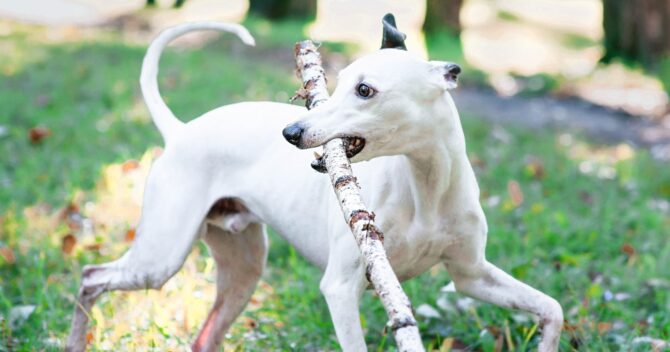
The English Greyhound, also called a whippet, is a slender, medium-sized dog that was bred for hunting small game. This graceful quadruped with a gentle, balanced temperament is an excellent material for both a master of dog sports and a domestic pet.