-15% on all HARNESSES | Delivery time up to 7 business days 🪡🚀
English Greyhound (Whippet) - master of dog sports
English Greyhound (Whippet) - master of dog sports
Date: January 22, 2025 (updated: January 22, 2025) Category: Blog, Dog breeds,
The English Greyhound, also called a whippet, is a slender, medium-sized dog that was bred for hunting small game. This graceful quadruped with a gentle, balanced temperament is an excellent material for both a master of dog sports and a domestic pet.
The Greyhound, as its name suggests, originated in Great Britain. It was bred in the industrialized counties of northern England and Scotland. It was called the "poor man's racehorse" because it was very popular among miners, workers, and small shopkeepers. It is believed that the breed was created in the first half of the 19th century, although it is said that images of quadrupeds resembling whippets can be found much earlier. It is likely that English Greyhounds, Italian Greyhounds, and long-legged terriers participated in the creation of the Greyhound. According to experts and fans of the breed, the Greyhound is the ideal racing dog in terms of body structure, height, and speed.
The term "whippet" was first used to refer to this type of dog around 1610. Supposedly, two small greyhounds were acquired by Henrietta Anne Stuart, daughter of Charles I of England. The first dog of this breed probably appeared in Poland in 1965, arriving from Czechoslovakia. However, national hunting regulations require owners of English greyhounds to apply for a permit to own them.
Suggested sizes and widths of accessories for this breed of dog:
Here are the suggested sizes for adult dogs of this breed. They were selected on the basis of many years of experience in sewing accessories and the most common choices of other dog owners of this breed. Remember, only measuring will give you 100% certainty - every dog is different.
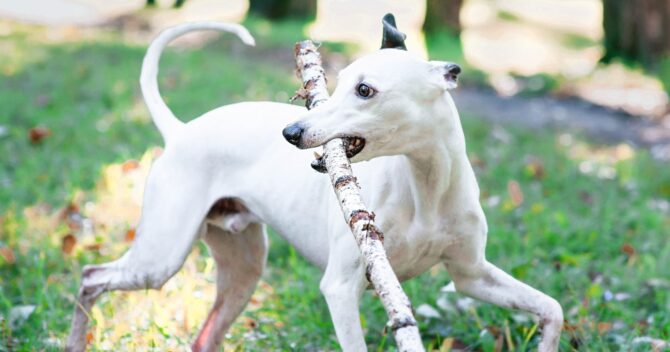
The English Whippet Greyhound is a muscular dog which, combined with his strength, grace and elegance, gives him a distinctive appearance. Due to a very slim head, set on a long neck and deep chest, and an S-shaped body, the whippet is perceived as a dignified and unusual quadruped. The slender figure of the English Greyhound causes some to call the dog "skinny", and the keepers are suspected of improper eating. Whippets have almost no body fat. Their natural hair is short, fine and close-fitting.
English Sighthounds according to FCI standards (group, section 3, pattern no. 162) are 48 - 56 cm tall (males), and females 46 - 53 cm. The dogs weigh between 11 and 18 kg, so don't worry if you see a whippet with visible vertebrae.
According to the breed standard, the color of the English Greyhound is not relevant. So you can meet whippets in all kinds of color combinations and marking patterns, from fawn to cream, from black to blue. Eye color can vary as well, but large, dark eyes are whippet standard. These dogs have large rose-shaped ears that are slightly bent (even when alert). This, combined with their large, dark eyes, gives them an irresistible, elven charm. The lifespan of individuals of this breed ranges from 12 to 15 years.
The English Greyhound and its Character
The English Greyhound is distinguished by its exceptional elegance and grace, as well as its gentle, friendly and calm disposition. This is a dog that is extremely attached to its owner and also values closeness to its family. It is particularly gentle and caring in the company of the youngest and the elderly. It also generally gets along well with other animals. Sometimes, however, it cannot resist the temptation to chase a cat running around the yard.
Despite his impressive past as a fast racing runner, the English Greyhound is surprisingly calm and quiet in a home environment. He enjoys lazy afternoons on the couch or in a warm bed. He is affectionate and devoted, which makes him a great everyday companion. Thanks to his balanced character, the dog finds himself perfectly in both lively homes and calmer environments. He bonds strongly with his caregivers, showing them full affection and devotion.
It is worth emphasizing that English Greyhounds are sensitive dogs. This applies to both weather conditions and emotional factors. The first aspect is related to the low resistance of this breed to unfavorable weather conditions (cold, frost, heat). Another feature is the extroverted way of expressing emotions, especially in situations when they feel fear or joy. They show it with their whole body and then you can precisely read their emotional state.
Life needs
The ideal environment for an Angel Greyhound is a safe, high-fenced yard. It can also live successfully in an apartment building, provided the owner takes the time to take it on long daily walks and provides regular exercise. After a large dose of physical activity outside, it behaves quietly in an apartment and usually chooses to lie on the couch.
Whippets need a very large dose of daily physical activity. They like to run freely without a leash and chase cats, rabbits and other small game in open fields. The English Greyhound loves various dynamic exercises, e.g. agility. It is also great at chasing a fur trimmer. In order to keep your pet in good condition, it is necessary to provide him with several minutes a day of fast gallops (intervals) in pursuit of a ball or Frisbee, interspersed with a leisurely walk.
How to care for an English Greyhound?
Grooming a Greyhound is relatively simple, but it does require regular attention to ensure the health and well-being of this sensitive dog. This breed has a short, soft coat that does not require complicated brushing. A weekly brushing with a soft brush or rubber glove is enough to remove dead hair and keep the coat in good condition. The skin of a Greyhound is thin and delicate, which means that rough grooming tools should be avoided to avoid irritation. Bathing is only recommended when necessary, such as after a walk in the rain. It is a good idea to use gentle shampoos designed for dogs that will not damage the skin's natural protective barrier.
The ears of a Greyhound should be checked regularly to ensure that there is no build-up of wax or dirt. This build-up can lead to infections and health problems. They should be cleaned with ear care products for dogs, being gentle and avoiding deep cleaning. Dental care is also important, as Greyhounds are prone to tartar build-up. Regular brushing with a toothpaste and using dental chews will support healthy gums and help prevent oral problems.
The claws of the English Greyhound require regular trimming, because, due to their specific body structure, they often do not wear down naturally. Claws that are too long can cause discomfort when walking and running. The skin of the English Greyhound is prone to scratches and abrasions, especially after intensive play or walks. For this reason, the condition of the skin should be checked regularly and protective creams should be used if necessary.
The Greyhound and its health
The Greyhound is a breed that is known for its speed, slender build, and exceptional endurance. While they are generally healthy and hardy dogs, there are some health issues they may be prone to. The most common health issues in Greyhounds include:
Heart disease, including cardiomyopathy
Symptoms can include fatigue, difficulty breathing, exercise intolerance, and fainting. Treatment often includes medications to improve heart function and regular monitoring by a veterinary cardiologist. To reduce the risk, it is important to provide your dog with the appropriate amount of exercise according to his abilities and to avoid overexertion.
Orthopedic problems
Diseases most often involve injuries to muscles and joints, especially during intensive running. As a consequence, symptoms usually appear: lameness, pain or limited mobility. Treatment often requires rest, physiotherapy and in some cases, surgery. Prevention consists of controlled physical exercise, avoiding overload and providing a suitable surface for running.
Skin hypersensitivity
This is another health issue for this breed. The Greyhound has thin skin, which makes it more susceptible to abrasions, sores, and irritation. Symptoms can include redness, itching, and skin infections. Treatment includes soothing agents, antibiotics (for infections), and protective clothing during outdoor activities. To prevent skin problems, it is a good idea to check your dog's skin regularly and avoid rough surfaces that can cause injuries.
Digestive system disorders
Greyhounds can also be prone to bloating and gastric distention, which is an emergency and potentially life-threatening condition. Symptoms include a bloated belly, drooling, restlessness, difficulty breathing and unsuccessful attempts at vomiting. Treatment requires immediate veterinary intervention, often surgical. Prevention involves feeding them smaller portions, two or three times a day, instead of one large meal. After eating, it is worth avoiding vigorous exercise to reduce the risk of stomach problems.
It's worth remembering! Regular visits to the vet are recommended to maintain the optimum health of your Greyhound. It is a good idea to visit your veterinarian at least once a year, and more often in the case of older dogs, to monitor their health. During these visits, your veterinarian can monitor their general health, perform heart checks, assess the condition of their joints and skin, and provide advice on preventive care. Early detection of potential health threats allows for faster and more effective treatment. This can significantly affect the quality and length of your Greyhound's life.
English Greyhound Diet
Feeding your Greyhound requires careful selection of ingredients to meet the energy and health needs of this unique breed. Greyhounds are slim, well-proportioned and energetic dogs, which means their diet should be adjusted to maintain an optimal body weight and condition. In addition, weight control and monitoring their response to dietary changes are key to maintaining their health and well-being.
The basis of the English Greyhound diet is high-quality protein, which supports muscle development and recovery. Both dry and wet food should be properly balanced to meet the dog's needs. The dog's age, activity level and any health problems should be taken into account to ensure the diet is as well-matched as possible. Meals high in fat provide energy, and the right amount of carbohydrates aids digestion.
It is also worth taking care of providing essential vitamins and minerals. Proper supplementation of nutrients supports the dog's immune system, skin, coat and bone health. Key vitamins and minerals include vitamins A, D, E and C, which strengthen immunity and support skin health and vision. Minerals such as calcium and phosphorus are important for building and maintaining healthy bones and teeth, while zinc and biotin have a beneficial effect on the skin and coat. Omega-3 and omega-6 fatty acids also play an important role in maintaining healthy skin and a shiny coat.
Some greyhounds can have a delicate digestive system, so introducing new foods to their diet should be gradual and careful. Many greyhounds will tolerate a diet based on natural ingredients, such as a BARF diet, which includes raw meat, vegetables and supplements. However, it is important to consult your veterinarian before using this to ensure your dog is getting all the nutrients it needs.
Important! Greyhounds, like other breeds, should avoid human food scraps, which can be harmful to their health.
Interesting facts
The English Greyhound is the fastest breed of dog in the world, with record holders reaching an incredible speed of 65 to 73 km / h during sprints.
Greyhounds are referred to as "universal blood donors". 85% of whippets have a blood type that can be passed on to all other breeds of dogs.
One of the newest dog sports in the last 20 years is dock diving. The dog jumps from the dock into the pool and the one who jumps the farthest wins. The English Greyhound is very successful in this discipline: all Guinness records for the longest jump in the dock are held by Greyhounds: Sounders (2019), Slingshot (2018) and Cochiti (2012).
Most frequently asked questions
Where does the Whippet breed come from?
The Whippet comes from England and is closely related to the English Greyhound. It was created in the 19th century as a working dog, ideal for hunting. It was also used in racing, thanks to its speed and agility.
What does a Whippet look like?
The Whippet has a slim, muscular build that gives it speed and elegance. It weighs between 10 and 20 kg and reaches a height of up to 51 cm. It is characterized by a short, smooth coat and large, expressive eyes.
Is a Whippet suitable for apartments?
The Whippet is a great apartment dog if given enough exercise. At home, he is calm and enjoys relaxing on the couch. His small size and gentle nature make him adapt well to city life.
Does the Whippet get along well with children?
The Whippet is a gentle and friendly dog that gets along well with children. It likes quiet play and appreciates contact with family. However, children should be taught how to properly handle the dog so that it feels comfortable.
How long does a Whippet live?
The average lifespan of a Whippet is 12 to 15 years, but with good care, they can live longer. Providing them with a healthy diet and regular visits to the vet is key. Good living conditions and exercise also affect the dog's lifespan.
Dog therapy, or therapy with the participation of dogs, is a method that supports the mental and physical health of humans. Dogs, thanks to their empathetic nature, can relieve stress and improve the mood of people they come into contact with. Their ability to build bonds supports people struggling with emotional difficulties and various disorders. Contact with a dog helps patients reduce tension and increase their sense of security and comfort. Such support is especially valuable in the treatment of depression, anxiety and social problems.
The American Bully is a relatively new breed of dog that originated in the United States in the late 20th century. Bred as a mix of bulldog and terrier breeds, it combines strength with a gentle, friendly disposition. Despite its impressive appearance, the American Bully is a sociable, loyal companion who is an excellent family dog. In addition, this breed is valued for its balanced temperament and ease of training. This makes it an ideal choice for both experienced owners and those who are just starting their adventure with four-legged pets.