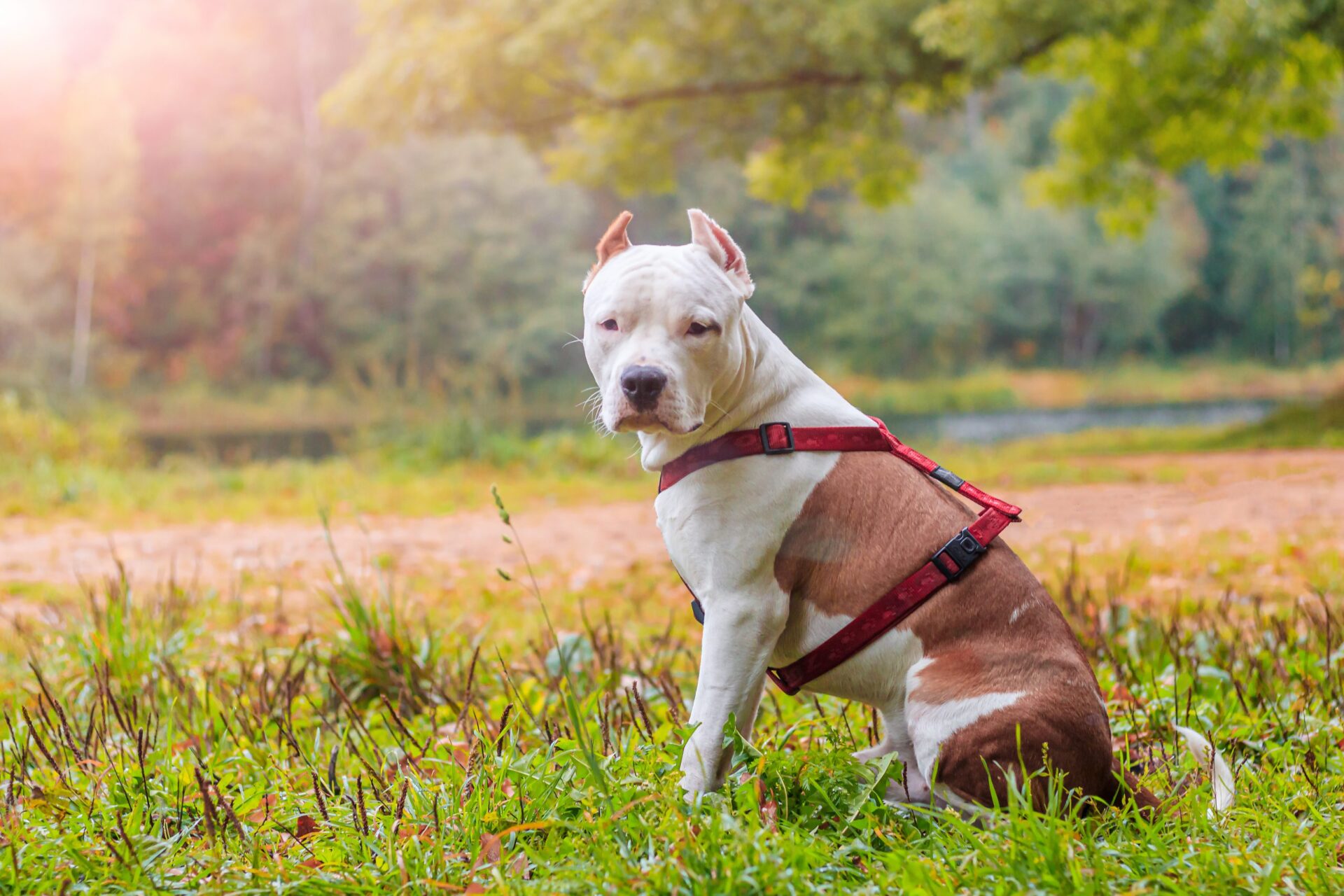
Dog therapy, or therapy with the participation of dogs, is a method that supports the mental and physical health of humans. Dogs, thanks to their empathetic nature, can relieve stress and improve the mood of people they come into contact with. Their ability to build bonds supports people struggling with emotional difficulties and various disorders. Contact with a dog helps patients reduce tension and increase their sense of security and comfort. Such support is especially valuable in the treatment of depression, anxiety and social problems.
Dog therapy is a form of therapy that uses contact with a dog as an element supporting treatment and improving the patient's well-being. It involves conscious and directed interaction between a person and specially trained dogs under the supervision of a qualified therapist. Dog therapy aims to improve physical health by supporting the development of motor skills, coordination and balance of the patient. Additionally, this therapy helps reduce stress, improve well-being and treat depression, anxiety and other emotional problems. In addition, it builds a sense of security, improves communication and introduces positive emotions into the lives of patients.
How does dog therapy work?
Dog therapy is based on direct interaction between the patient and the therapy dog, conducted under the supervision of a qualified therapist. A dog therapy session usually begins with introducing the patient to the dog, in order to build trust and a sense of security. An important element is the initial observation of the patient's reactions and determining their needs and goals of therapy.
During dog therapy sessions, various techniques are used, such as movement exercises, games and fun, or tactile interactions with the dog. Patients can also take part in grooming tasks, such as brushing the dog or giving it commands. These activities are aimed at developing motor skills, improving motor coordination, strengthening communication, and reducing stress and anxiety. For example, the patient may be encouraged to throw a ball to the dog or go for a walk together.
Therapy is tailored to the individual needs of the patient and can take the form of group or individual classes. An important aspect of dog therapy is its relaxing nature, which allows patients to reduce tension and feel emotional support. A therapy dog acts as a "bridge" that facilitates communication, openness and human involvement in therapy.
The role of a therapy dog in dog therapy
A therapy dog plays a key role in the process of dog therapy. It acts as a partner and catalyst for changes in the patient's therapy. A four-legged friend stimulates positive emotions, motivates to act, reduces stress and builds a sense of security, which promotes better therapeutic effects. Through its presence and active interaction, the dog helps patients open up to therapy and find joy in performing tasks. It can also support motor development through exercises that engage the patient's body, e.g. walks, coordination exercises or simple games.
A therapy dog must have a number of appropriate features. These include: gentleness, a balanced temperament, patience, a desire to work with people and a willingness to train. A four-legged therapist should be friendly, resistant to stress and able to adapt to various situations, often unusual or emotionally demanding. Genetic predispositions, proper health care, but also attention to the dog's needs are also important.
The process of preparing and training a therapy dog in dog therapy is demanding and complex. A therapy dog undergoes specialist training, which teaches it to respond to various commands and use therapeutic techniques. Additionally, the four-legged friend is accustomed to working in different environments and contact with different people. This also includes behavioral tests assessing its reactions to stress, noise, movement or unusual behavior of patients. The dog is under constant supervision of its owner and therapist, and its well-being is a priority during each therapy session.
Dog therapy for children – what benefits does it bring to the youngest?
Dog therapy brings numerous benefits to children, offering support in both the emotional and physical sphere. It is especially helpful in working with children with various developmental difficulties, such as autism, ADHD, or anxiety disorders. Thanks to their empathetic and calm nature, therapy dogs help establish a safe relationship. This stimulates the child's emotional opening and builds their trust in the environment.
Children with autism often experience difficulties in communication and building social relationships. The presence of a dog helps to break down barriers, encouraging the expression of emotions, verbal and non-verbal communication. Interactions with a dog, such as giving commands, petting or playing, support the development of social skills. They also teach children patience, empathy and establishing contact with others.
As part of dog therapy in schools and educational institutions, dogs are introduced as companions and helpers in education. The presence of a four-legged therapist in the classroom helps reduce stress and anxiety in students, improves concentration and motivates them to learn. As part of dog therapy programs, classes are carried out that teach children responsibility, empathy and improve their communication skills.
Dog therapy for the elderly – how do dogs help seniors?
Dog therapy also has an extremely positive effect on the health of seniors. Activities involving dogs are particularly beneficial for the elderly, suffering from dementia, Alzheimer's disease and other ailments of old age. Dogs, thanks to their sensitive and caring nature, can stimulate positive emotions in seniors. Their presence also helps reduce the feeling of loneliness, which is a common problem in this age group.
Interacting with a dog improves mood, reduces stress, and also alleviates symptoms of depression, which many seniors struggle with. Touch, petting, and contact with a dog can cause a feeling of warmth, reminding seniors of closeness and support. Dog therapy has a beneficial effect on memory and cognitive abilities, because participating in activities with a dog requires communication and engages thinking. Additionally, contact with a dog motivates activity, which stimulates the brain and can slow down the processes associated with memory loss.
Seniors with Alzheimer’s often experience confusion and anxiety. Therapy dogs can provide a sense of security and stability, helping to calm and focus. Regular sessions with a dog can also help develop routines that ease the stresses of everyday life.
Dog therapy also promotes physical activity in seniors. Exercises performed with a dog, walks or simple games encourage movement, which affects better fitness, coordination and general physical health. Additionally, the presence of a dog stimulates social contacts - participation in group dog therapy classes allows seniors to integrate, talk and build bonds with others. In this way, dog therapy improves the quality of life of seniors, offering them emotional support, activation and joy that comes from the company of dogs. It is not only a form of therapy, but also a way to introduce warmth, understanding and positive energy into the everyday life of seniors.
Contraindications to dog therapy – when is it better to avoid therapy with a dog?
Dog therapy, although it brings tangible benefits, is not suitable for everyone. Contraindications to dog therapy may include severe allergies to dog hair or saliva, which can cause adverse health reactions. In the case of people with a serious fear of dogs, contact with a dog may cause stress or deepen anxiety. This issue requires individual assessment by specialists. Some health restrictions, such as immune disorders, open wounds or infections, may also prevent contact with a dog. Each decision about dog therapy should be made individually, taking into account the needs and health of the patient.
Is it worth using dog therapy?
Dog therapy is a valuable form of therapy that brings benefits in the emotional, social and physical spheres. It is worth considering for people with developmental, emotional and anxiety problems, as well as those who need support in physical rehabilitation. Thanks to their natural ability to build bonds, dogs help reduce stress, improve mood and strengthen the sense of security. Scientific research confirms the effectiveness of dog therapy - showing positive effects such as reduced anxiety, improved communication and lower stress levels. Long-term benefits include improved quality of life and building interpersonal relationships. Those interested can take advantage of programs tailored to the individual needs of patients, conducted in specialist centers, educational institutions or nursing homes.
Most frequently asked questions
What is dog therapy?
Dog therapy is a form of therapy that supports treatment, based on interaction between a human and a trained dog. This therapy improves physical, emotional and social health. It helps reduce stress, improve mood and supports the patient's development.
How does dog therapy work?
Dog therapy involves interacting with a dog under the supervision of a therapist. Activities include games, exercise, and dog care. Therapy is tailored to the patient's needs and can be individual or group.
What are the benefits of dog therapy for children?
Dog therapy supports children's emotional and social development. It helps build relationships, reduce anxiety and improve communication. Children learn empathy, responsibility and patience in contact with a dog.
Does dog therapy help older people?
Dog therapy supports seniors by helping to combat depression, anxiety and loneliness. The presence of a dog improves mood, encourages physical and social activity. Therapy has a beneficial effect on memory and cognitive abilities.
When is dog therapy not recommended?
Dog therapy is not suitable for allergies to fur, severe fear of dogs or health problems such as reduced immunity. The decision on therapy should be made individually with the help of specialists.
The American Bully is a relatively new breed of dog that originated in the United States in the late 20th century. Bred as a mix of bulldog and terrier breeds, it combines strength with a gentle, friendly disposition. Despite its impressive appearance, the American Bully is a sociable, loyal companion who is an excellent family dog. In addition, this breed is valued for its balanced temperament and ease of training. This makes it an ideal choice for both experienced owners and those who are just starting their adventure with four-legged pets.
The Boston Terrier is a small but energetic breed of dog, known for its distinctive appearance and cheerful temperament. These elegant dogs with short, smooth fur and large, expressive eyes have a friendly, sociable disposition. In addition, Boston Terriers are intelligent, easy to train. They also show great devotion to their owners, making them excellent four-legged companions.