-15% on all HARNESSES | Delivery time up to 7 business days 🪡🚀
Bull Terrier - a volcano of energy and a devoted friend
Bull Terrier - a volcano of energy and a devoted friend
Date: December 5, 2025 (updated: December 5, 2025) Category: Blog, Dog breeds,
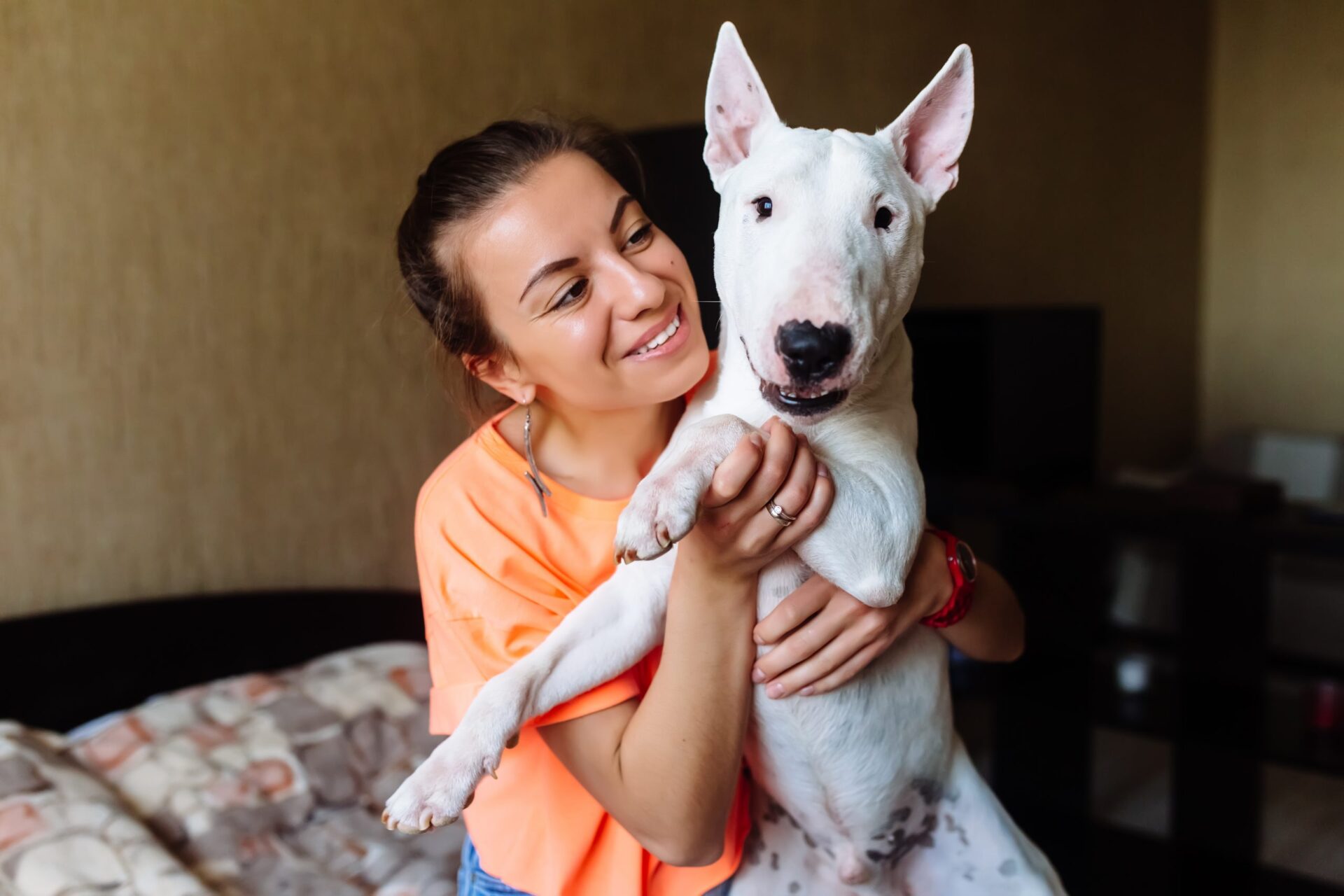
The bull terrier is a muscular, dynamic dog with an original appearance, in which there is a volcano of energy and a huge will to play. Properly brought up and socialized from a puppy, it becomes a faithful, devoted and affectionate family friend.
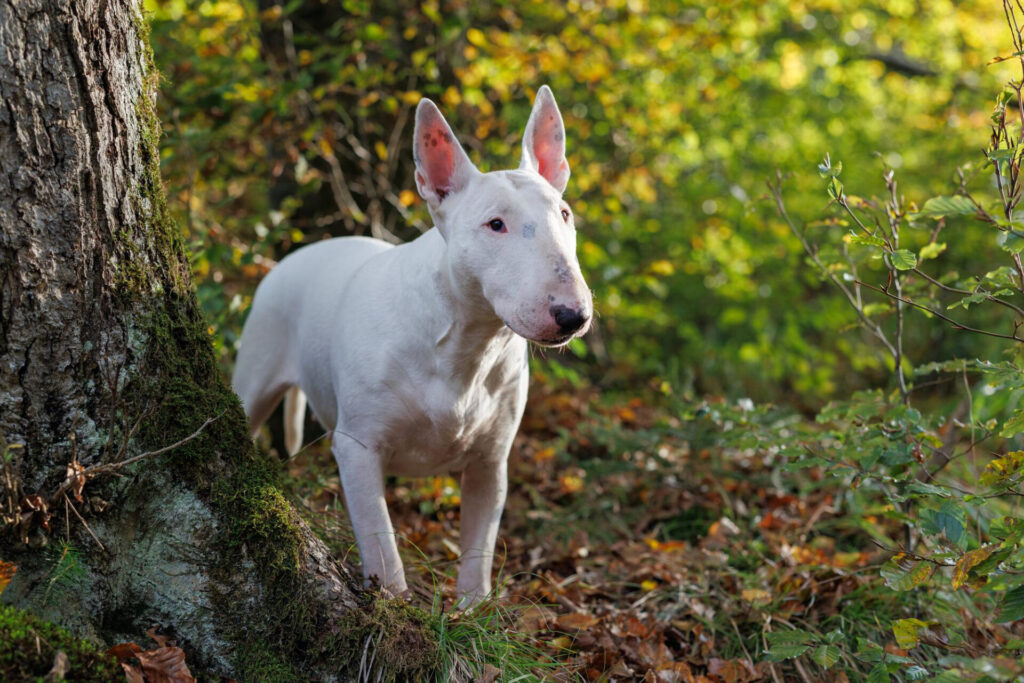
Eyes: black, dark brown, oblique, small set close together
Neck: long, strongly muscled
Torso: rounded with arched ribs
Tail: set low, short, carried horizontally
Limbs: parallel, strong, muscular,
Robe: with a light undercoat
Hair: short, uniform all over the body, hard with a slight sheen, white, red or brindle, fawn, multi-colored (undesirable chocolate and blue color)
Height and weight of the standard variety: at the withers 48-56 cm, 23-30 kg
Height and weight of the miniature variety: at the withers up to 35,5 cm, 11-15 kg
Character
The bull terrier is a very joyful, cheerful, enthusiastic pet. He is famous for his great temperament, courage and constant willingness to play. He likes physical activity, long walks, fetching, splashing in water, but he is not suitable for long-term, intense exercise (e.g. running with a bike). He is very faithful and strongly attached to the owner. He shows warm feelings towards all family members, but he will love only one person - the caregiver.
When dealing with children, the bull terrier is tolerant, caring and patient, although taking into account his muscular body structure, it is necessary to get him used to playing with children well in advance. He definitely does not like being alone at home, and if left unattended for a long time, he is prone to destructive behavior. He is bright, intelligent, learns quickly, but has a penchant for domination and can be stubborn. Training dogs of this breed requires consistency, patience and hierarchy. Learning should be short, intense and, above all, please your dog. Otherwise, it resists.
Suggested sizes and widths of accessories for this breed of dog:
Here are the suggested sizes for adult dogs of this breed. They were selected on the basis of many years of experience in sewing accessories and the most common choices of other dog owners of this breed. Remember, only measuring will give you 100% certainty - every dog is different.
Bull Terriers are generally healthy dogs, though this breed is prone to:
joint dysplasia
deafness
atopic dermatitis, skin allergies
kidney and cardiovascular diseases,
They are also prone to dislocation of the kneecap and eye diseases. Bull terriers live on average 12-14 years. They generally withstand both low and high temperatures very well, although like all other pets, they look for cool, sun-exposed places on hot days.
Nutrition
Representatives of this breed are well-muscled and need high-energy meals. When feeding bull terriers, ready-made dry food works best. which provides all the necessary micro and macro elements, vitamins, minerals and other essential ingredients of a balanced diet. Food should provide your pet with the right amount of protein and lipids, which are an excellent source of energy, omega 6 and omega 3 fatty acids, which increase immunity and have a positive effect on the appearance of the skin and coat. Of course, you can also feed the bull terrier with self-prepared meals, supplemented with appropriate supplementation. However, bearing in mind the tendency of this breed to gain weight, you should dose meals, snacks, delicacies wisely and definitely avoid feeding with leftovers from dinner. We feed adult bull terriers twice a day, at fixed times, not exceeding the calculated dose. Throughout the day, we provide them with access to fresh, clean water. Keep in mind that dogs of this breed are prone to food allergies. In such cases, they require therapy in consultation with a veterinarian and the use of a special hypoallergenic diet.
Care
The short hair of the bull terrier is easy to care for, use a rubber brush to comb it. It is a good idea to wipe your dog's fur several times a week with a damp mitt or a chamois cloth. A gentle, hypoallergenic shampoo for sensitive skin is recommended for bathing. When washing, be careful not to wet your dog's particularly sensitive ears and eyes, so it's best to plug the ears with cotton wool. Bull terriers should have their ears and teeth checked regularly, and claws should be trimmed. Chews or beef bones work best to remove tartar.
Accessories
The guardian of the bull terrier should take care of a large, comfortable bed, ensuring a comfortable rest and a pleasant sleep for the pet. Use well for walks wide, durable harness on strong, traditional lanyard or a rope and a comfortable, preferably physiological, muzzle. Toys and training kits for a dog of this breed should be resilient, solid (made of certified materials), allowing the dog to jerk and chew safely.
Note for allergy sufferers
Bull Terriers lose their hair all year round, so they can be a strong allergy. For this reason, they will certainly not work well in a home where one of the household members suffers from an animal allergy.
Most frequently asked questions
Where does the Bull Terrier breed come from?
The Bull Terrier originates from Great Britain. It was bred to be a strong, courageous, and sociable dog. It originates from crosses between terriers and bulldogs.
What does a bull terrier look like?
The Bull Terrier has a muscular, rounded body and an egg-shaped head. Its coat is short, smooth, and shiny. It comes in several colors, but blue and chocolate are undesirable.
Is a bull terrier suitable for apartments?
Yes, a Bull Terrier can live in an apartment if it's provided with enough exercise. It requires walks, playtime, and the presence of a caregiver. It doesn't handle loneliness well and may become destructive.
Do Bull Terriers get along well with children?
The Bull Terrier can be protective and patient with children. However, it requires early socialization with young children. Its strength requires control during playtime.
How long does a bull terrier live?
A Bull Terrier typically lives for 12–14 years. With good care and a balanced diet, they can enjoy a long, healthy life. Regular vet visits are essential.
The Landseer commands respect with its appearance alone, while also softening hearts with its gentle and friendly nature. It is large, strong, yet balanced, and incredibly devoted to its family. Its name comes from the English painter Sir Edwin Landseer, who immortalized dogs with their distinctive black and white coat in his paintings. Although often confused with the Newfoundland, it has a distinct history and characteristics that make it unique.
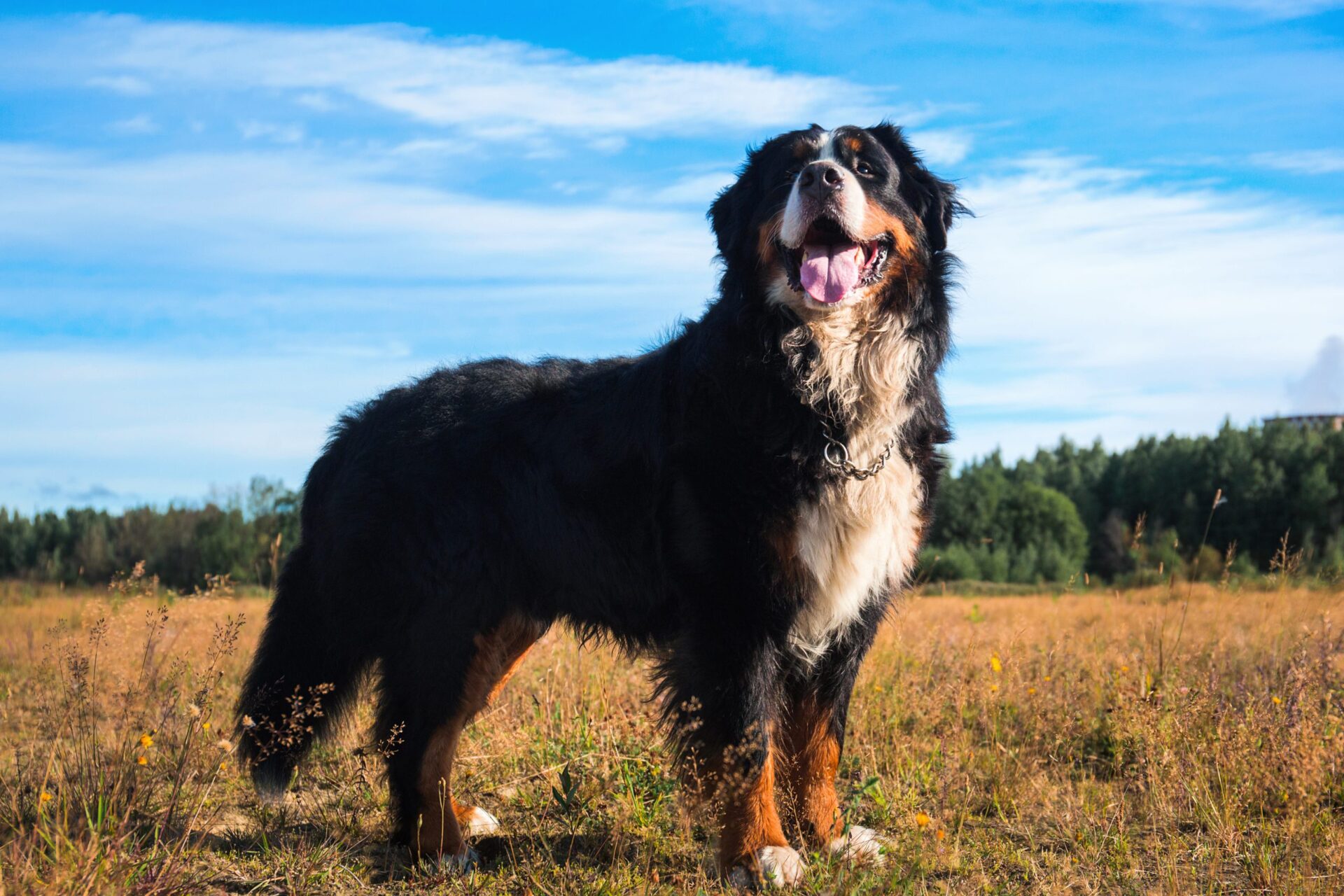
The Bernese Mountain Dog is one of the intelligent and very hardy quadrupeds. He is extremely emotional, he quickly becomes attached to all the household members. It is characterized by a calm, balanced and gentle character. He is patient and understanding with children. These qualities make it a great family companion.
Joint dysplasia is one of the most common conditions in dogs, especially large breeds. Many owners only notice the first disturbing symptoms when their pet begins to limp or avoid exercise. However, it's important to know how to recognize the condition early and what treatment options modern veterinary medicine offers. With proper care, a dog with dysplasia can still lead an active, joyful life.