-15% on all HARNESSES | Delivery time up to 7 business days 🪡🚀
Bernese Mountain Dog - a faithful companion
Bernese Mountain Dog - a faithful companion
Date: November 14, 2025 (updated: November 14, 2025) Category: Blog, Dog breeds,
The Bernese Mountain Dog is one of the intelligent and very hardy quadrupeds. He is extremely emotional, he quickly becomes attached to all the household members. It is characterized by a calm, balanced and gentle character. He is patient and understanding with children. These qualities make it a great family companion.
The history of the Bernese Mountain Dog is described widely and varies according to the cited source. The most reliable reports indicate that these dogs lived in Helvets (former Switzerland) as early as around 1000 - 600 BC It is believed that the Bernese ancestors were descended from the Tibetan Mastiff and were used as local tractive force to transport wool and dairy products in the harsh Alpine conditions .
At the end of the 19th century, the name "Bernese" first appeared in an inn in Dürrbach, near Bern. The owner kept long-haired dogs that guarded the farm and worked as herding dogs. The young puppies quickly became favorites with guests visiting the inn. Tourists eagerly bought them. Thus, the Bernese became a family companion, and breeding began to spread. Initially, these dogs were called Dürrbachers (after the name of the town where they originated), and afterIn 1913, the name "Berner Sennenhund" was introduced – Bernese Mountain Dog, which is still in use today.
Suggested sizes and widths of accessories for this breed of dog:
Here are the suggested sizes for adult dogs of this breed. They were selected on the basis of many years of experience in sewing accessories and the most common choices of other dog owners of this breed. Remember, only measuring will give you 100% certainty - every dog is different.
The Bernese Mountain Dog, according to the FCI classification, belongs to the group 2 - Schnauzers, Pinschers, Molossians, Swiss Sheepdogs and related breeds, to Section 3 - Swiss Mountain Dogs. Unlike other Swiss Mountain Dogs, it is a long-haired breed. This strong dog weighs around 40 - 44 kg. The adult height at the withers is 58-66 cm (female) and 64-70 cm (male). The Bernese Mountain Dog is quite stocky but harmoniously built. Dogs of this breed live up to 10 years, on average they live 6 - 8 years.
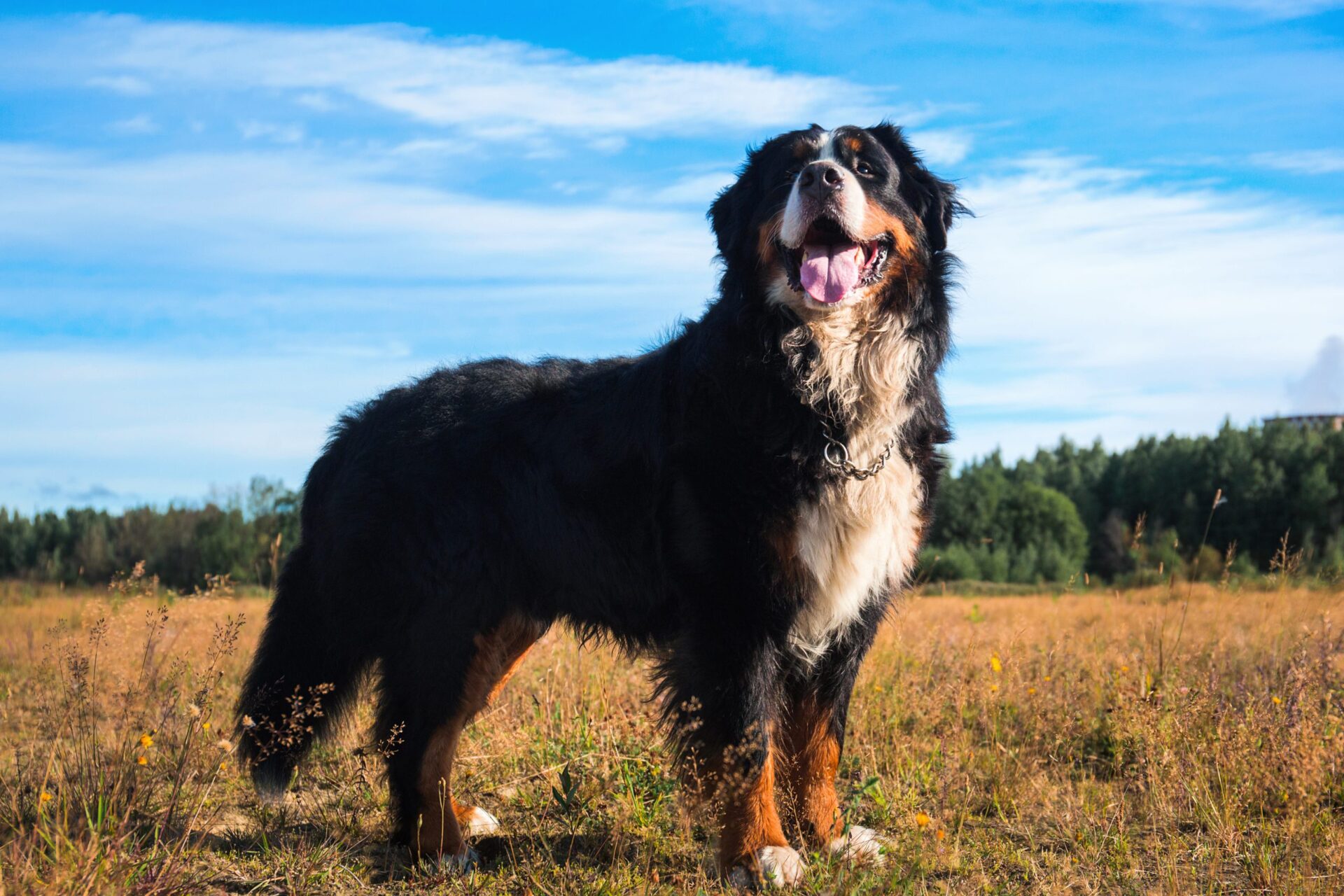
The head of a Bernese Mountain Dog is proportionally built, with a well-defined stop, a medium-length muzzle and a distinctive, always black nose. The shape of the eyes resembles almonds. The ears are triangular, not very large and set high, and rounded at the ends (they lie flat when resting). When aroused, the Bernese Mountain Dog points his ears forward. The dog's tail is long and should reach at least to the hock. When resting, it should hang freely, and when in motion it should be raised to the height of the back or a little higher.
The coat of the Bernese Mountain Dog has a soft and shiny coat and a thick undercoat. The hair is long and can be straight or slightly wavy. The color of this quadruped is tricolor, according to the pattern:
Basic ointment – jet black;
Setting fire – dark, chestnut, which occurs on all limbs and on the chest, as well as on the cheeks and above the eyes;
White markings – white paws and white tail tip (desirable). White spot on the back of the neck and at the anus (tolerated). On the head: a white blaze, widening towards the nose, forming a white "wedge" on the muzzle. A white marking, quite narrow, extends from the throat towards the chest.
Character
The Bernese Mountain Dog is a gentle and sociable dog with a nice disposition. He loves contact with a human being, and therefore badly tolerates many hours of loneliness. He is very attached to the owners, he is a patient pet and quickly establishes good contact with children.However, due to the size and weight of the dog, care should be taken not to accidentally harm children. A Bernese Mountain Dog who is raised from a puppy in the company of a cat or other domestic animals will certainly accept their presence in the home later.
The Bernese Mountain Dog is usually little barking, but as a watchdog, it "gives a voice" when it is concerned. He recognizes the friends of the house and warmly welcomes them. On the other hand, he warns against strangers by barking, but then calms down and behaves with a certain reserve towards them. He will accept them when he notices that the owners are showing them kindness.
Bernese Mountain Dog and his zdrow
Due to the large mass of the Bernese Mountain Dog and the genetic burden (e.g. hip dysplasia) and frequent injuries of the knee ligaments, the skeletal system of this breed should be taken care of. The Bernese Mountain Dog must maintain a proper body weight and be given regular, even brief physical activity. Unfortunately, dogs of this breed also have a predisposition to oncological diseases. Each lump, lymphadenopathy, or hyperplasia should be checked and examined by a veterinarian. At the same time, blood tests should be performed annually.
Need to move
At puppy age, the Bernese Mountain's physical activity should be minimized to ensure proper development of bones and joints. One-year-old pooch can be unleashed to run out. An adult pet needs at least one hour of exercise during the day. If we ignore this need, the dog will surely gain weight. However, it should be remembered that the Bernese Mountain Dog is not a seasoned runner, e.g. by bike, or a fan of playing with a ball. Better to go for a long walk with him, combined with the elements of running and retrieving the ball, or allow him to swim, which he loves.
Nutrition
Dogs of this breed can receive meals both in the form of ready-made food for large breeds and prepared at home. Bernese Mountain Dog is a typical foodie,who does not chew food, but eagerly swallows large chunks of food. This can cause gas and stomach problems. Less abundant, more frequent meals can minimize the problem. Therefore, the daily portion should be divided into 2-3 rations and provide the pooch with constant access to clean and fresh water. In addition, Bernese Mountain Dogs need the correct selection of nutrients, including minerals and vitamins, as determined by a veterinarian.
Bernese Mountain Dog astraining
The Bernese Mountain Dog is intelligent, clever, easy to groom and, despite its large size, quite willingly participates in training. It's usually easy to get him to exercise. The most recommended skills for this breed are tracking, nosework, heavy hauling, and obedience training.
Care
Caring for the appearance and the robe of a Bernese Mountain Dog is not complicated, but may cause some difficulties, especially due to the size of the dog. The coat requires regular care, also because it is long and tends to tangle. Since the Bernese Mountain dog moults intensively, brush his coat 2 - 3 times a week. Basically, we bathe a Bernese mountain dog when it is necessary. However, you should comb your hair both before and after the bath, and dry it thoroughly. In addition, we remember that the hair between the pads of the paws is systematically trimmed, we regularly check the condition of the teeth, check the ears for possible inflammation, and if the pet does not rub its claws - we shorten it ourselves.
Most frequently asked questions
Where does the Bernese Mountain Dog breed come from?
The Bernese Mountain Dog originates from the Swiss canton of Bern. For centuries, it has assisted local farmers with their farm work, guarding the farmyard, herding cattle, and pulling carts.
What does a Bernese Mountain Dog look like?
This large dog has a massive build and long, tricolor fur. It has a black coat with red and white markings. Its gaze is gentle, and its movements are surprisingly agile for its size.
Is the Bernese Mountain Dog suitable for apartments?
They can live in an apartment if they are given plenty of exercise and human contact. However, they thrive in a house with a garden. Daily activity and the company of their owner are important.
Does a Bernese Mountain Dog get along well with children?
Yes, he's an exceptionally gentle and family-friendly dog. He's patient, calm, and eager to play. He thrives around children and treats them with care.
How long does a Bernese Mountain Dog live?
The average lifespan is 7-10 years. Unfortunately, the breed is prone to genetic diseases. Regular veterinary checkups and good care can help prolong the dog's lifespan.
Joint dysplasia is one of the most common conditions in dogs, especially large breeds. Many owners only notice the first disturbing symptoms when their pet begins to limp or avoid exercise. However, it's important to know how to recognize the condition early and what treatment options modern veterinary medicine offers. With proper care, a dog with dysplasia can still lead an active, joyful life.
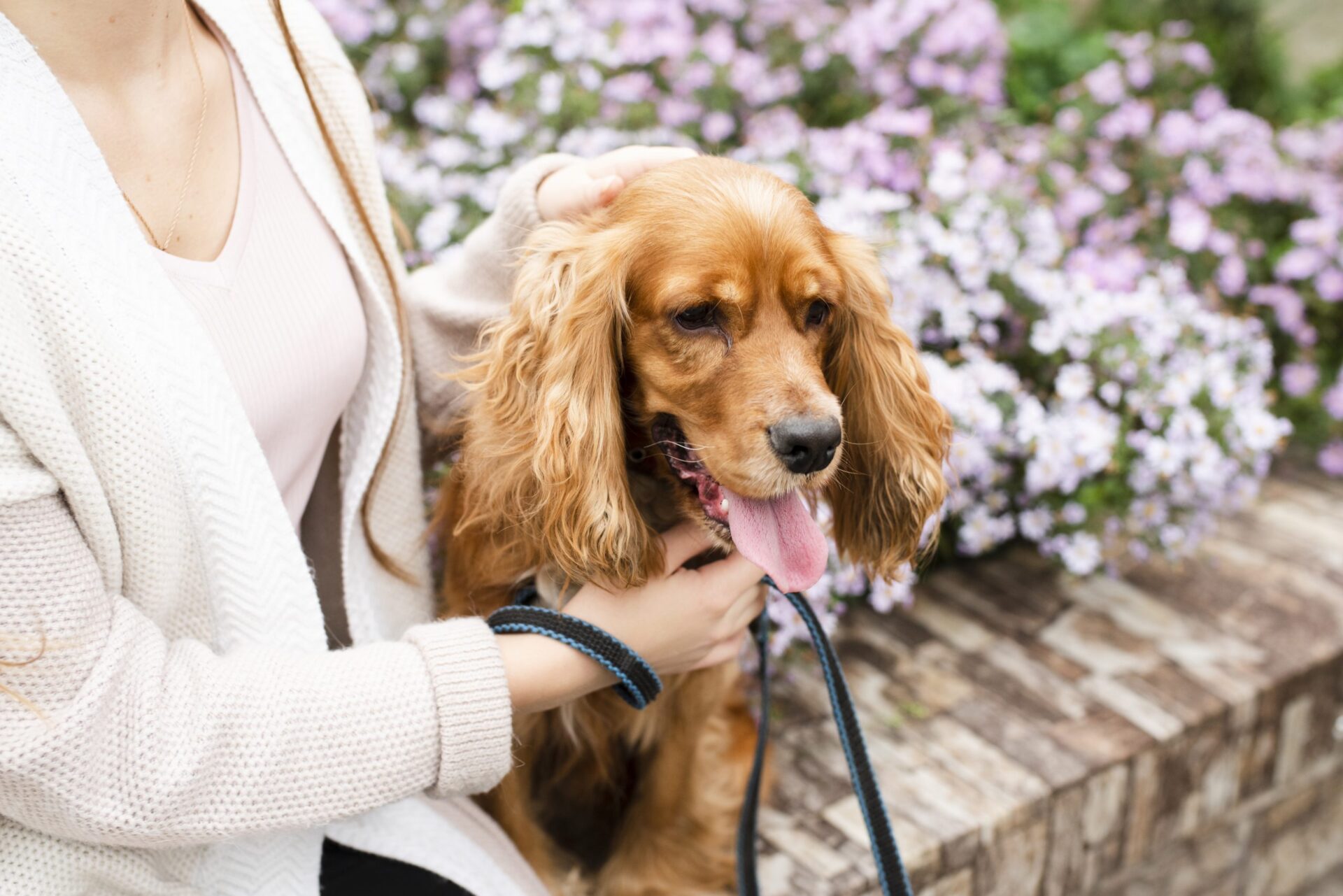
The Cocker Spaniel is a cheerful, lively dog with boundless energy. It is perfect both as a hunter's assistant and a companion for children's games. With his cordiality and tenderness of his big, gentle eyes, he can melt every heart.
The Pumi is an energetic and intelligent herding breed originating from Hungary. Although not as well-known as its close relative, the Hungarian Shepherd Dog (Puli), it is gaining popularity thanks to its unique personality and distinctive appearance. This medium-sized, temperamental dog is endowed with a strong working instinct and alertness. This breed combines a passion for work, loyalty to its owner, and an exceptional temperament. This energetic four-legged friend thrives as a herding dog and also as a companion for an active family.