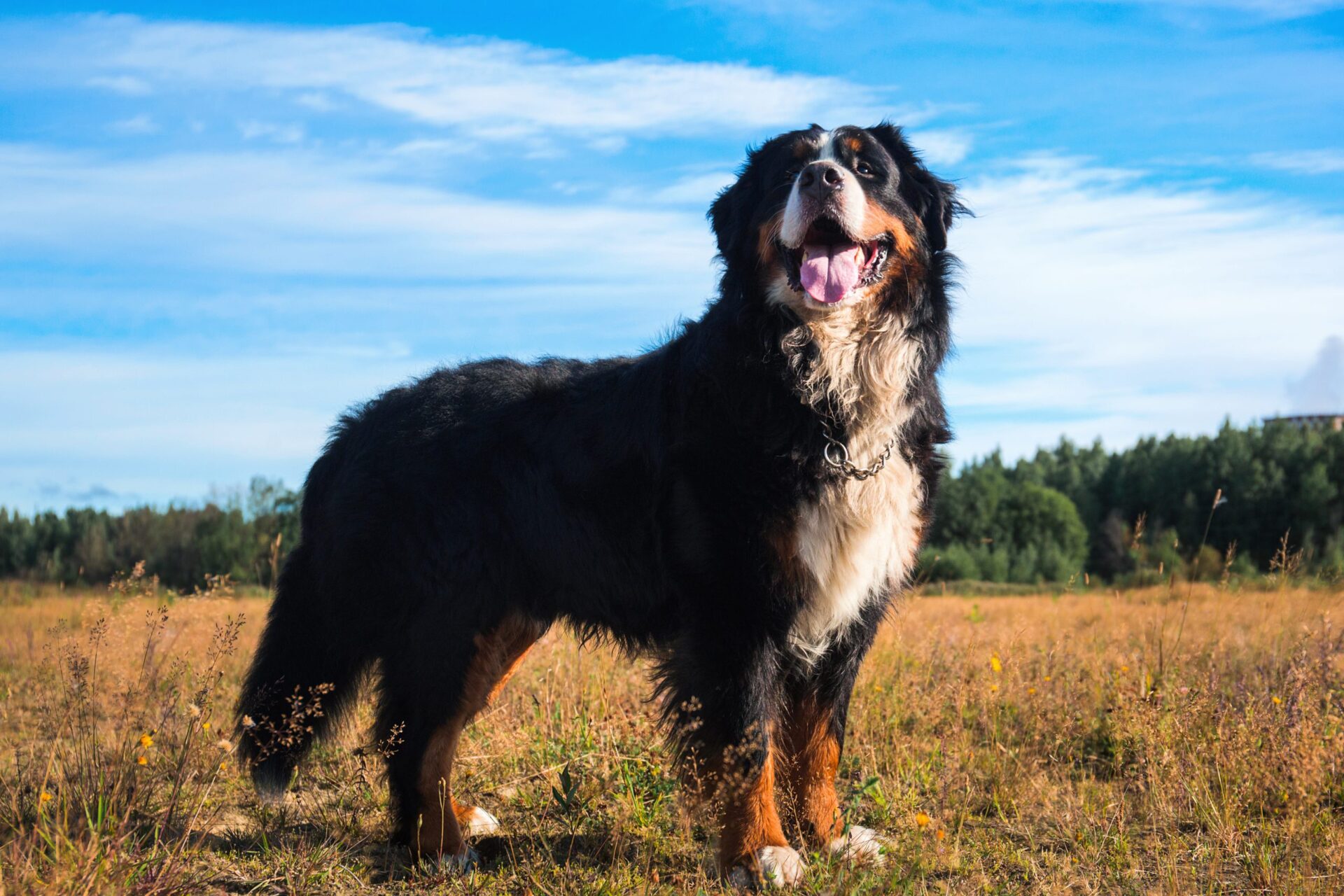
The Landseer commands respect with its appearance alone, while also softening hearts with its gentle and friendly nature. It is large, strong, yet balanced, and incredibly devoted to its family. Its name comes from the English painter Sir Edwin Landseer, who immortalized dogs with their distinctive black and white coat in his paintings. Although often confused with the Newfoundland, it has a distinct history and characteristics that make it unique.
The first Landseer dogs appeared in the regions bordering the North Atlantic. Their history is inextricably intertwined with that of the Newfoundland, with which they share common roots.
Originally, these dogs accompanied people working at sea. Their duties included hauling nets, pulling boats to shore, and rescuing drowning people. Their strength, resistance to cold, and love of water made Landseers indispensable in the daily lives of people living by the ocean.
In the 19th century, the breed attracted the special attention of European breeders. Examples of this breed, both powerful and with a unique black-and-white coat, arrived in Great Britain. They were painted by the aforementioned Sir Edwin Landseer, which gave the breed its popularity and its name. The dogs depicted in his paintings were distinguished by their majestic appearance, which influenced the perception of Landseers as exceptionally noble animals.
Over the years, the Landseer gradually separated from the Newfoundland. In Germany, Switzerland, and the Netherlands, breeding efforts were initiated to maintain the distinctive color and slightly slimmer build. This resulted in these dogs becoming lighter, more active, and more agile than their Newfoundland cousins.
In 1960, the Landseer was officially recognized as a distinct breed by the Fédération Cynologique Internationale. It is classified in Group II, which includes Pinschers and Molosser dogs, and Section 2.2, which includes Molosser dogs of the mountain type. Although it is still considered a variety of the Newfoundland in Canada and the United Kingdom, in most countries it functions as a separate breed.
Appearance and physical characteristics
The Landseer is a large dog with a strong yet harmonious build. Adult males reach a shoulder height of 72 to 80 cm, and females 67 to 72 cm. They typically weigh between 45 and 70 kg, with males being noticeably heavier and more robust.
Color and coat
The Landseer's most distinctive feature is its black and white coat. The base is pure white, with black patches on the body and rump. The head typically has a black mask covering the eyes and ears, giving the dog a noble appearance. The coat is dense, medium-length, straight or slightly wavy, and has a distinct protective structure. The undercoat is abundant and insulates against the cold, making the Landseer an excellent swimmer.
Physique
The body is proportionate, with a strong chest and well-developed muscles. The broad head, with a pronounced stop and strong jaws, harmonizes with the rest of the body. The eyes are medium-sized, dark brown, and have a calm and gentle expression. The ears are medium-sized, close-fitting, and end in a rounded tip. The long tail, carried freely in the water, acts as a rudder.
Characteristics
The Landseer immediately attracts attention with its majestic stance. Despite its large size, it moves with ease and grace. Its gait is springy and its movements fluid, giving it an exceptionally dignified appearance.
Character and temperament
The Landseer is a breed with an exceptionally gentle nature. It is calm, patient, and extremely attached to its family. It loves contact with people and hates loneliness. Due to its nature, it is sometimes called a gentle giant.
The Landseer gets along well with children. He's understanding, and his composure means he doesn't react violently even during the most intrusive "petting" of the little ones. He often instinctively protects the little ones, treating them as part of the herd to be cared for. He's wary of strangers, but never aggressive. He usually observes and assesses the situation before taking any action.
A well-socialized Landseer has no problem with other dogs or cats. He may even initiate play, although his size requires careful control when interacting with smaller animals.
The Landseer thrives in a home with a garden, where they have space to move around. They can also live in an apartment, but they require daily walks and plenty of physical activity. This breed needs contact with nature, outdoor exercise, and, if possible, access to water. Swimming brings the Landseer great joy and is a great way to stay fit.
Care
Grooming a Landseer isn't complicated, but it does require regular care. Their thick, double-layered coat sheds profusely twice a year, and requires regular brushing the rest of the time. Brushing several times a week is recommended to remove dead hair and prevent mats.
Special attention should be paid to the ears. Due to their structure, they can be susceptible to infection, so they should be checked and cleaned regularly. It's worth checking the eyes and removing any debris.
Nails should be trimmed if the dog doesn't wear them down naturally during walks. The Landseer's skin is usually healthy, but after swimming in a lake or the sea, the coat should be thoroughly dried.
Health
The Landseer, like most large breed dogs, requires specific health care. Its majestic stature conceals certain predispositions to diseases that are important to understand so that you can respond appropriately and prevent them.
Joint dysplasia
Hip and elbow dysplasia are among the most common problems in Landseer dogs. Generally speaking, this condition involves the loosening of joint structures and abnormal joint formation, leading over time to pain and limited mobility. Dysplasia typically manifests as stiffness, lameness, and a reluctance to engage in prolonged exercise. Treatment includes the administration of pain-relieving medications. In more severe cases, joint surgery is necessary.
Owners of young Landseer dogs, like other large breeds, should have their pets X-rayed to determine whether their joints and bones are developing properly. Special care should be taken with Landseer puppies during their puppyhood. Therefore, it's best not to overwork your young four-legged friend, and later on, it's especially important to limit frequent climbing. Furthermore, preventing hip dysplasia involves constantly monitoring your pet's weight.
Heart diseases
Landseers are prone to dilated cardiomyopathy. This condition causes the heart muscle to weaken, causing it to stop pumping blood properly. Symptoms include rapid fatigue, shortness of breath, and coughing. Treatment involves administering medications to support heart function and ongoing veterinary monitoring. Regular ECG and echocardiograms can detect the problem at an early stage.
Stomach torsion
Another serious threat is gastric torsion. This is a sudden condition in which a dog's stomach twists, cutting off blood flow and impeding digestion. Symptoms include restlessness, abdominal distention, and unsuccessful attempts at vomiting. Immediate surgical intervention is necessary, as the condition is life-threatening. The best prevention is feeding smaller portions several times a day, avoiding vigorous activity immediately after eating, and maintaining a healthy weight.
Ear infections
Due to their pendulous ears, Landseers are prone to ear infections. Water that accumulates after swimming in lakes or rivers promotes the growth of bacteria and fungi. Symptoms include head shaking, ear scratching, and unpleasant odor. Treatment involves the use of drops recommended by a veterinarian, while prevention involves regular cleaning and thorough drying of the ears after bathing.
Skin problems
Landseers may also experience skin irritations, most often related to moisture beneath their dense undercoat. Itching, redness, and patchy hair loss are warning signs. Drying your pet's coat thoroughly after swimming and regular grooming can help. Treatment includes the use of antifungal and antibacterial preparations, selected by your veterinarian.
Prevention is the key to your pet's health
A Landseer's health isn't solely dependent on genetics. Daily care from its owner plays a crucial role. Regular vet visits, vaccinations, and dietary monitoring are fundamental, allowing for a quick response to potential problems. However, true prevention goes beyond examinations. It also involves adequate exercise, well-balanced meals, and systematic care for its coat and skin. These regular, seemingly small actions determine whether your pet will maintain its energy and zest for life for many years to come.
Training and socialization
The Landseer is intelligent and eager to learn, but requires a calm, consistent approach. He responds best to positive reinforcement, such as praise, petting, and treats. Harsh methods don't work and can actually undermine the dog's trust in its owner.
Early socialization is key to raising a well-balanced Landseer. Even as a puppy, your four-legged friend should have the opportunity to explore a variety of environmental stimuli, such as different places and sounds. Interaction with people of all ages and encounters with other dogs and pets are also important.
Training and activities
The Landseer eagerly learns basic commands and practical tasks. He excels in obedience training and water rescue work. He loves fetching, swimming, and all water-related games. Besides water activities, he thrives on longer walks, forest hikes, scent-finding training, and simple agility exercises appropriate to his size. Exercises should be varied to prevent boredom.
Nutrition
The Landseer requires a proper, well-balanced diet. The basis should be high-quality food for large breeds or meals prepared independently after consulting a veterinarian. Due to their tendency to develop gastric torsion, it's important to feed them several smaller meals a day instead of one large one. After eating, ensure your dog rests.
The diet should contain adequate protein to maintain muscle mass, fat for energy (average 22-26% protein and 12-16% fat on a dry matter basis), and joint-supporting nutrients such as glucosamine and chondroitin. Regular weighing and attention to your pet's condition are essential, as the Landseer is prone to weight gain.
Landseer as a family member
The Landseer is a dog that combines a majestic appearance with extraordinary gentleness and devotion to its family. It is patient with children, calm in everyday life, yet full of energy and a passion for swimming. It requires proper care, regular walks, and socialization from an early age.
They excel as family dogs, provided they are provided with space, exercise, and conditions that foster a sense of security and stability every day. For those who value contact with nature and active leisure activities, they will be not only a companion but also a devoted friend. When choosing a Landseer, you must be prepared for the daily presence of a large, sensitive dog that requires closeness and constant contact with family members. Treated properly, they become a wonderful family member, building a deep bond filled with warmth and loyalty.
Most frequently asked questions
Where does the Landseer breed come from?
The Landseer, originating from the North Atlantic region and sharing common roots with the Newfoundland, accompanied those working at sea, helping to haul nets, pull boats, and rescue drowning people.
What does Landseer look like?
This large dog has a strong but well-proportioned build. It has a thick, black and white coat and calm, dark brown eyes. It has a smooth gait, and its long tail is used as a rudder when swimming.
Is Landseer suitable for apartments?
The Landseer can live in an apartment, but requires plenty of exercise and activity. He thrives in a home with a garden where he can roam freely. Walks and access to water are very important to him.
Does the Landseer get along well with children?
Yes, the Landseer is patient and very gentle with children. He treats them as part of the herd and instinctively protects them. Despite his size, he is gentle and composed.
How long does a Landseer live?
The Landseer has an average lifespan of 8–10 years, but with good care, it can live longer. Regular preventative care and a balanced diet improve its condition. Joint and heart checkups are also important.
The Bernese Mountain Dog is one of the intelligent and very hardy quadrupeds. He is extremely emotional, he quickly becomes attached to all the household members. It is characterized by a calm, balanced and gentle character. He is patient and understanding with children. These qualities make it a great family companion.
Joint dysplasia is one of the most common conditions in dogs, especially large breeds. Many owners only notice the first disturbing symptoms when their pet begins to limp or avoid exercise. However, it's important to know how to recognize the condition early and what treatment options modern veterinary medicine offers. With proper care, a dog with dysplasia can still lead an active, joyful life.
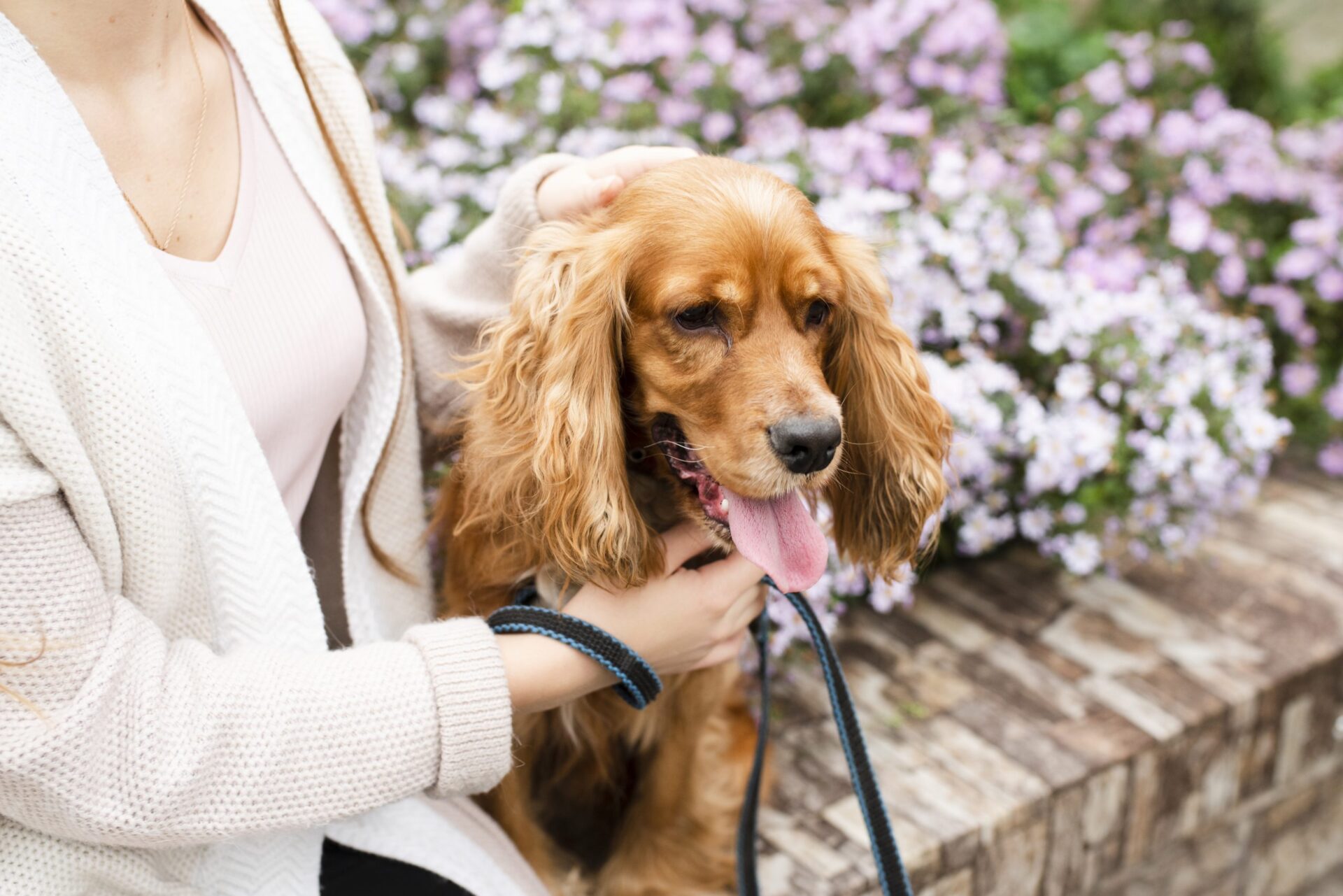
The Cocker Spaniel is a cheerful, lively dog with boundless energy. It is perfect both as a hunter's assistant and a companion for children's games. With his cordiality and tenderness of his big, gentle eyes, he can melt every heart.