The Wolfspitz, also known as the Keeshond, is one of the largest spitz breeds. It is valued not only for its striking appearance, but also for its sharp mind, energy and loyalty to loved ones. It comes from Europe, and its roots go back to Holland and Germany, where it was a guard dog and a companion on shoulders. Its lush fur, sharp gaze and cheerful disposition make it unique and easily recognizable.
The Wolfspitz is a breed derived from the European line of Spitz dogs, which have served people for centuries. The history of this breed dates back to the Vikings, who brought northern dogs to the Netherlands and Germany, where they were used as guard dogs or to exterminate small rodents. Selective breeding of Spitz dogs began in the 16th century. The Wolfspitz gained the greatest popularity in the Netherlands, who improved this breed the most, mainly in terms of the quality and length of the coat. This charming dog became a symbol of the political movement "Patriots" in the 18th century, fighting for democratic changes in the country. The leader of this movement - Kees de Gyselaer had a dog of this breed. The pet accompanied him to many gatherings, which contributed to the creation of the term "keeshond" - which literally means "Kees' dog".
For centuries, Wolfspitz dogs served as guard dogs on Dutch river barges, ensuring the safety of cargo and warning of danger. They were valued for their alertness, loyalty, and intelligence. The breed could withstand harsh weather conditions, and its thick, lush fur protected it from cold and damp. Although the Wolfspitz was originally a working dog, it eventually gained popularity as a family companion, thanks to its friendly nature, devotion, and unique charm.
In the 1960th and 4th centuries, the breed began to lose popularity in terms of utility functions in favor of other guarding breeds. However, thanks to the work of breeders, it was possible to preserve its unique features and adapt it to new roles - a family dog and companion. At the end of the XNUMXth century, more organized breeding activities began in Germany, which helped to maintain the purity of the breed. In the XNUMXth century, the Wolfspitz gained popularity in Great Britain and the United States, where it was recognized by the main cynological associations. In XNUMX, the breed was recognized by the International Cynological Federation (FCI) and included in Group V - Spitz and primitive dogs, section XNUMX - European Spitz.
Appearance and physical characteristics
The Wolfspitz is a medium-sized dog with an impressive, thick coat, which is one of its most recognizable features. Adult dogs reach a shoulder height of 43 to 55 cm, and their weight ranges from 16 to 20 kg. The Wolfspitz has a compact body structure, a proportionate silhouette and strong, yet elegant movements.
Its coat is double, with a dense undercoat and a long, harsh outer coat. The typical coat is a mixture of gray, black, and silver, with dark tips of hairs that give a characteristic "wolf" appearance. The mask around the eyes, dark ears, and mane around the neck are distinct breed characteristics. The Wolfspitz has expressive, dark eyes with a lively, intelligent gaze and triangular, erect ears.
Also characteristic is its fluffy, curled tail, which is carried high above the back. The whole creates a harmonious, elegant, unique appearance, standing out from other breeds.
Character and temperament
The Wolfspitz, known for its friendly and energetic temperament, is a great family companion. Dogs of this breed are distinguished by their great loyalty, devotion and need for close contact with their owner. Wolfspitz are characterized by high intelligence and quick acquisition of new skills. Thanks to this, they easily adapt to different situations and achieve good results in training. Their alert nature makes them great as guards. They are very attentive to their surroundings and can warn of strangers, although they are not aggressive by nature.
In contacts with children, the Wolfspitz is exceptionally gentle and patient, which makes it an ideal playmate. The Wolfspitz adapts its behavior to the age and temperament of the child, showing tenderness and care. At the same time, it makes sure that the play is safe and does not get out of control. It is a sociable dog that loves to be part of the daily life of the family, engaging in various activities.
The Wolfspitz gets along well with other pets, especially if socialized with them early enough. However, it can be somewhat dominant in contacts with other dogs, so proper upbringing from puppyhood is crucial. Generally speaking, it is a cheerful, active dog with a high need for exercise and human contact. It is great for living in a house with a garden, as well as in apartments, provided that it receives the right amount of exercise and games that stimulate the quadruped's mental engagement.
How to care for a Wolfspitz?
The Wolfspitz requires regular grooming, especially because of its thick, double coat. Its fur consists of a soft undercoat and a longer, rough outer coat. Consequently, it requires regular brushing - ideally at least 2-3 times a week. During the moulting season, which usually occurs in spring and autumn, it is necessary to brush the Wolfspitz daily. This helps to remove dead undercoat and prevent mats in the thick coat.
The skin of the Wolfspitz is sensitive, so it is worth avoiding excessive bathing of the pet, so as not to damage the natural protective barrier. Bathing should be used only when necessary, using gentle shampoos adapted to this type of coat.
Regularly checking and trimming the claws is another important aspect of care. If the dog does not wear them down naturally, it is recommended to trim them every few weeks. The teeth should be cleaned regularly to prevent tartar build-up and gum disease. You can use special dog toothpastes or dental chews. It is also worth regularly checking the erect ears of the Wolfspitz, which are prone to irritation, to avoid infection.
Wolfspitz and his health
Wolfspitz are generally a healthy and hardy breed, with genetic issues rarely occurring. However, they can be prone to certain health issues, including:
Hip and elbow dysplasia
One of the most common conditions is joint problems, such as hip and elbow dysplasia. This manifests itself through lameness, difficulty moving, and reluctance to climb stairs or run. Treatment may include anti-inflammatory medications, physical therapy, and in severe cases, surgery. Prevention includes keeping your dog from gaining too much weight, exercising regularly, and providing a diet rich in joint-healthy ingredients.
Eye diseases
Eye conditions such as cataracts and progressive retinal atrophy (PRA) are another problem. Keeshonds may experience vision problems, especially in the dark, squinting, or general disorientation. In the case of cataracts, surgery may be considered, while PRA is an incurable disease, although methods can be implemented to support the dog's comfort. Regular eye examinations are crucial to detect potential problems early.
Coat and skin problems
Skin conditions such as allergies and atopic dermatitis can also occur in this breed. Symptoms include itching, redness, dandruff, and excessive licking or scratching. Treatment may consist of an elimination diet, the use of skin-soothing products. If necessary, pharmacological treatment is also used. Proper coat care and the elimination of allergens that may cause reactions are important.
Hormonal problems
Although less common than the previous conditions, hormonal problems, such as hypothyroidism, do occur in Wolfspitz. This can manifest itself through fatigue, dry skin, weight gain, and a worsening coat. Treatment involves the administration of hormonal medications, while prevention relies on regular blood tests, especially in older dogs.
Important! Regular visits to the vet, at least once a year, and every six months for older dogs, are important for monitoring your pet's health. They allow for early detection of any illnesses and for ensuring necessary vaccinations and parasite protection. Your vet can also advise on diet, care and physical activity, adapting the recommendations to the individual needs of your Wolfspitz.
Raising a Wolfspitz
Training and socialization are the most important elements of raising an intelligent and energetic Wolfspitz. With the right methods, you can raise a dog to be an excellent family companion, well-behaved and happy.
The Wolfspitz, like any four-legged friend, responds best to methods based on positive reinforcement. Rewarding with treats, praise and play for a job well done - thanks to these elements, it quickly acquires new skills and willingly participates in training. Education should be consistent, but gentle - Spitz are sensitive and do not react well to rough treatment or shouting. Motivating the dog through play, short and varied training sessions and strengthening the bond with the owner is the key to success. It is important to be patient and persistent, because the Wolfspitz can show independence.
Early socialization is essential for the Wolfspitz to develop into a balanced and confident dog. It is a good idea to introduce your Wolfspitz to a variety of people, animals, situations and sounds from puppyhood. This will make your dog less likely to be anxious and more open to new experiences later in life. Socialization includes regular walks in a variety of places, meeting other dogs and people, and teaching them to behave calmly in environments such as parks, streets and playgrounds.
It is worth introducing basic commands such as “sit”, “lie down”, “come to me” or “stay” into training. In addition, the Wolfspitz loves various types of activity. Therefore, fetching a ball or toy is a great way to combine fun with obedience training. Due to its high intelligence, the Wolfspitz also likes mental challenges. Logical games, such as hiding treats or using interactive toys, stimulate its mind. If the dog is well socialized and wants intensive training, agility classes (obstacles, tunnels, jumps) can provide it with a lot of satisfaction and help discharge energy.
Wolfspitz and his diet
The Wolfspitz's diet should be based on a balanced diet, adapted to its age, activity level and general health. Providing high-quality protein is key, which supports muscle development and maintains the dog's energy. The diet should also include an adequate amount of fats, which provide energy, and carbohydrates, which aid digestion. Vitamins and minerals are also essential for the health of the skin, coat, teeth and immune system.
The Wolfspitz can be fed a high-quality dry food or a wet diet, provided it is properly balanced. More and more owners are opting for a BARF diet (raw meat, vegetables and supplements), but this requires consultation with a veterinarian to ensure the dog is getting all the necessary nutrients. It is important to avoid overfeeding to prevent excess weight, which can strain the dog's joints.
It is best to feed your dog at regular intervals, and always have a bowl of water available. Puppies need to be fed more frequently to help them grow, while adult dogs need two meals a day. It is also worth monitoring your dog’s weight and condition, and introducing any dietary changes gradually, in consultation with your vet.
A faithful companion, a watchful guard, a cheerful and energetic family member – is this the dog for you?
The Wolfspitz is an intelligent, loyal and lively dog that is an excellent family companion. Its thick, spectacular coat, sharp gaze and lively disposition make it a unique dog, but it requires proper care and commitment to its upbringing. A well-socialized Wolfspitz gets along great with children and other animals, eagerly participating in family activities. It is crucial to provide it with the right amount of exercise and mental stimulation, which will allow it to develop its full potential. Before deciding to take a Wolfspitz into your home, it is worth considering whether its needs and character match the lifestyle of the family. If you are ready to devote time, attention and care to it, the Wolfspitz will reward you with loyalty, warmth and unparalleled joy in everyday life.
Most frequently asked questions
Where does the Wolfspitz breed come from?
The Wolfspitz is native to Europe, with roots in Holland and Germany. Originally, it was used as a guard dog on river barges. The breed has a rich history dating back to the Viking era.
What does a Wolfspitz look like?
The Wolfspitz is a medium-sized dog with dense, double fur in shades of gray, black, and silver. It weighs 16 to 20 kg and is 43 to 55 cm tall. Its characteristic curled tail is carried high above the back.
Is the Wolfspitz suitable for apartments?
The Wolfspitz is a great apartment dog if given enough exercise. In the home, he is sociable and calm, but needs daily walks and activity. He adapts well to family life.
Does the Wolfspitz get along well with children?
The Wolfspitz is a gentle and patient dog, ideal for contact with children. It adapts its behavior to their age and temperament. Thanks to early socialization, it fits in perfectly in a family with children.
How long does a Wolfspitz live?
The Wolfspitz has an average lifespan of 12 to 15 years. Regular visits to the vet, a balanced diet, and proper care will support its health. Dogs of this breed are generally hardy and healthy.
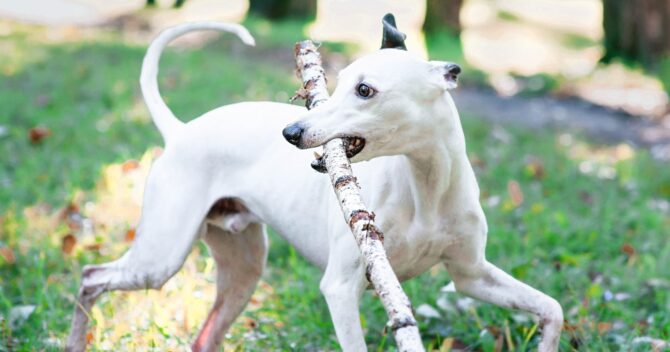
The English Greyhound, also called a whippet, is a slender, medium-sized dog that was bred for hunting small game. This graceful quadruped with a gentle, balanced temperament is an excellent material for both a master of dog sports and a domestic pet.
Dog therapy, or therapy with the participation of dogs, is a method that supports the mental and physical health of humans. Dogs, thanks to their empathetic nature, can relieve stress and improve the mood of people they come into contact with. Their ability to build bonds supports people struggling with emotional difficulties and various disorders. Contact with a dog helps patients reduce tension and increase their sense of security and comfort. Such support is especially valuable in the treatment of depression, anxiety and social problems.