


Hungarian Vizsla - fast, agile and durable
The Hungarian Vizsla is a majestic hunting dog that is distinguished by remarkable intelligence and energetic disposition. At the same time, he is a sensitive, quiet and gentle pet.
The Hungarian Vizsla is a majestic hunting dog that is distinguished by remarkable intelligence and energetic disposition. At the same time, he is a sensitive, quiet and gentle pet.
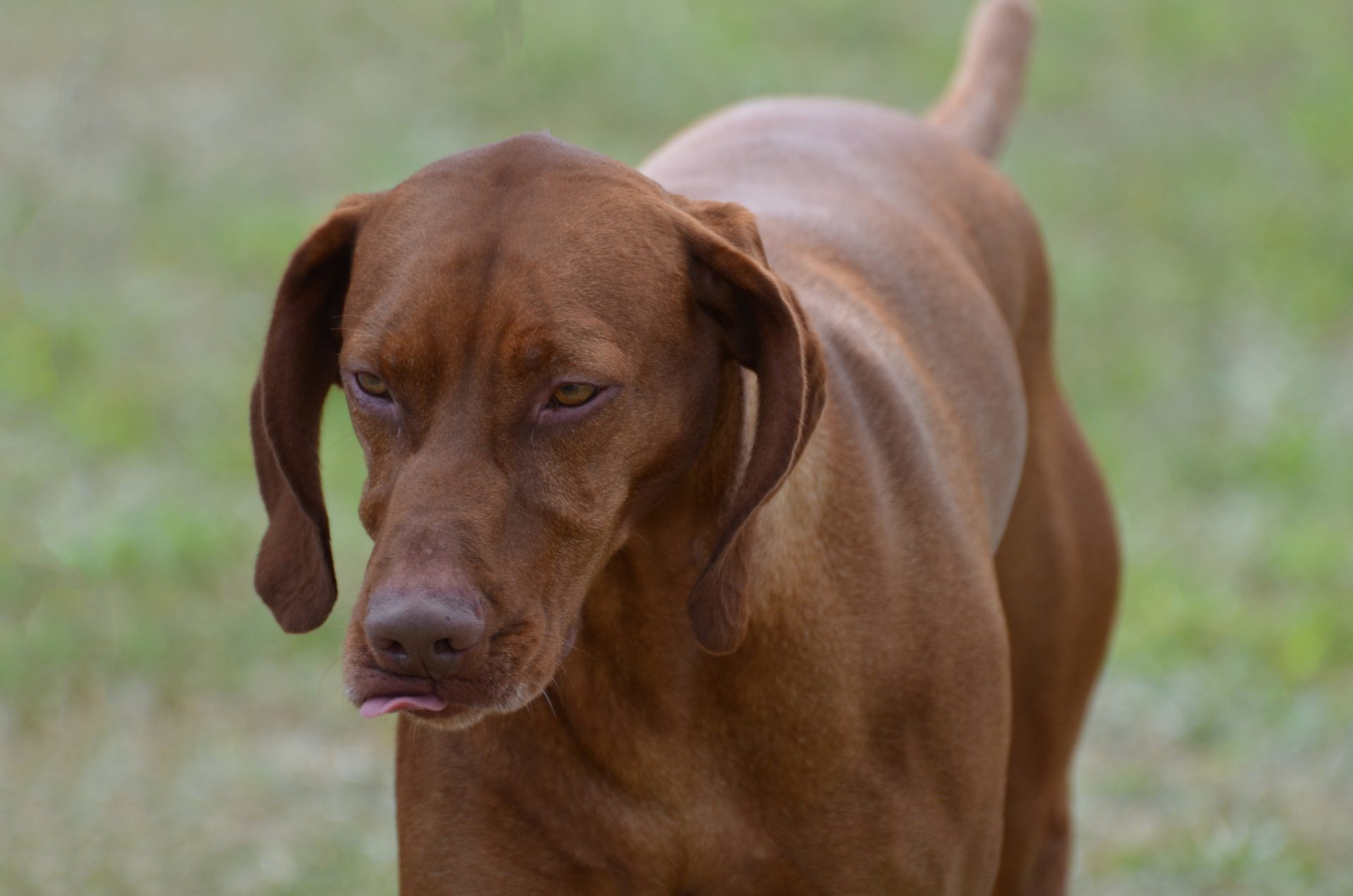
The Hungarian Vizsla is an old breed of dogs that originated in the country of goulash and chardash, which was probably established in the XNUMXth century. Its name in Hungarian means "seeker" or "hunter". The ancestor of the Hungarian pointers accompanied the Magyars who settled on the Hungarian Plain. He was valued for his speed, agility and endurance in looking after horse herds. The Hungarian Pointer is considered to have arisen by crossing Turkish yellow hunting dogs with a pointer and a German shorthaired pointer.
The first written mention of the breed was recorded in the Illustrated Chronicle of Vienna in 1357. As the centuries passed, these dogs became a prized possession of the Hungarian nobility who continued to improve their hunting skills and temperament. Hungarian Vizsla is a tough and hardy breed of dog that survived the Turkish occupation (1526 - 1696), the Hungarian Civil War (1848 - 1849) and both world wars. The latter contributed to the thinning of the breed, but the breeders managed to save it thanks to many treatments.
According to the FCI, the Hungarian Vizsla is classified as group VII of continental pointers, section 1.1 - hound-type dogs subject to working trials.
The representative of this breed is a natural hunter: an agile and easy-to-handle dog that is very hardy and resistant to heat and drought. The Hungarian Vizsla is fast and does not make any noise when chasing prey, at the same time it is endowed with an excellent sense of smell and an exceptional ability to train. It was bred for hunting in fields, forests or near water reservoirs. Although the Hungarian pointer is gentle, very affectionate and sensitive, it is also lively, fearless and has a well-developed protective instinct.
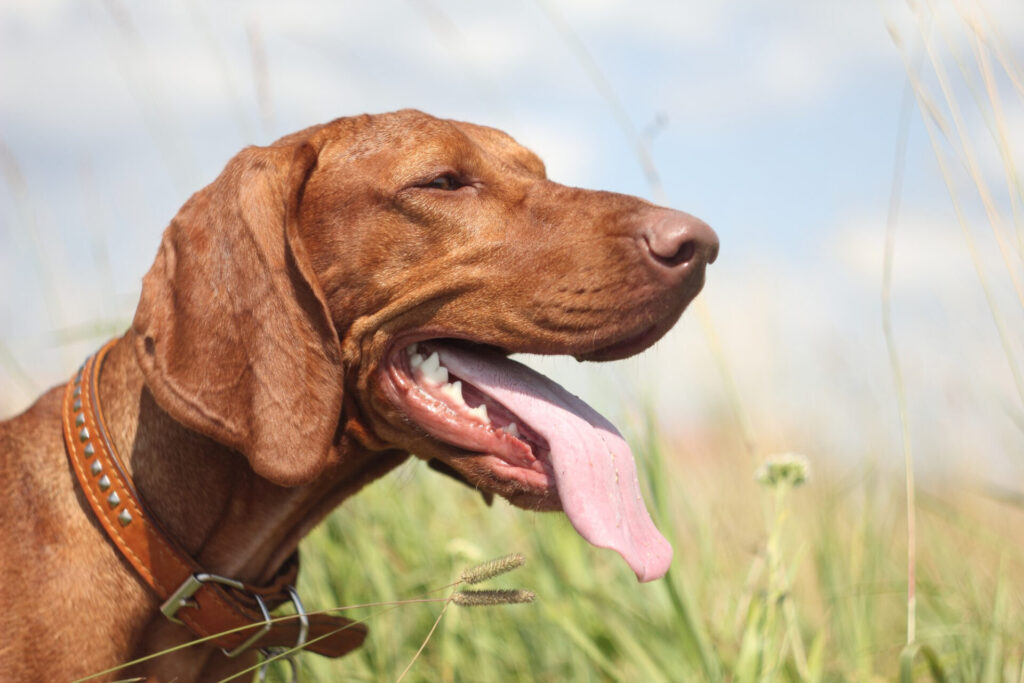
The Hungarian Vizsla is a dignified and proud dog with a strong build and a slender figure. It is characterized by long, silky ears that hang below the lower jaw line. His red color is also unique and beautiful. The eyes are oval and dark in color with an intelligent expression. The Hungarian Vizsla has a fairly long and muscular neck. His tail is often docked.
Due to the length and structure of the hair, there are two varieties of the Hungarian Pointer:
The most common is the short-haired variety with a shiny and smooth coat. The Hungarian Vizsla does not have an undercoat, and its ground coat comes in the following colors: red, dark yellow and rusty-gold. Occasionally a silvery gray or fawn hair may be present. The Hungarian Pointer standard does not allow for red and black colors. The nose of a representative of this breed should always have a reddish color, which is combined with the color of the coat. Likewise, the color of the dog's eyes and nails should also be in the shade of the coat color.
Hungarian Pointer Measurements: The height of an adult dog at the withers is 58 to 64 cm, and for a female it is 54 - 60 cm. Quadrupeds of this breed weigh: male: 20 - 29 kg, female: 18 - 25 kg. The average life expectancy of Hungarian Vizsla is 12-15 years.
The Hungarian Vizsla is very energetic, gentle, loyal, protective and extremely affectionate towards its family members. It quickly establishes close bonds with its owner and even strangers. Abroad, it is often referred to as a "velcro dog" due to its special loyalty and great attachment to its owner. It follows it everywhere as if it were glued to it. It gets along well with children, provided they are taught to respect the dog.
In relation to other animals, Vizslas are generally very gentle and friendly. It is worth remembering, however, that their hunting instinct can sometimes arouse the desire to chase smaller animals. For this reason, they should be properly socialized and taught self-control from puppyhood.
The Hungarian Vizsla has a natural desire to cooperate with humans, which makes it exceptionally obedient if the owner consistently builds a relationship based on friendship and trust. It is also characterized by high intelligence and quick learning. However, these qualities make it quickly bored, so training should be varied and interesting.
The Vizsla's keen senses make it a good guide dog, a therapeutic dog, and a rescue dog. It is also worth noting that it is an excellent runner who can reach speeds of up to 60 km/h. It is also known for its love of water - it is an exceptional swimmer and retriever. This dog has webbed feet, which allow it to swim at high speeds.
The Vizsla needs an active owner who likes to spend time outdoors. They should be taken on long walks and hikes, runs or hunts, and shared baths in the lake. This dog is not suitable for spending time on the couch. Its hunting instinct requires running and sniffing in open spaces and exploring unknown corners. The Vizsla is great at dog sports such as agility or obedience, which additionally helps to discharge its excess energy.
Dogs of this breed are quite sensitive and sometimes fearful, which is manifested by barking at other dogs or cars that they may be afraid of. Therefore, early socialization is very important, during which they will get used to stressful situations.

The attribute of the Vizsla is its good physical condition. They generally do not have many health problems, however, like any breed, the Vizsla can be prone to certain health problems.
One of the more common diseases in this breed is hip and elbow dysplasia, which manifests itself as lameness, stiffness or reluctance to move, especially after intense exertion. Treatment includes both anti-inflammatory drug therapy and rehabilitation, and in more severe cases, surgical intervention may be necessary. In prevention, it is crucial to control the dog's body weight and avoid excessive strain on the joints during the growth period.
Another common problem is allergies, both food and environmental. They manifest themselves as itchy skin, redness, hair loss, and sometimes diarrhea or vomiting. Treatment consists of identifying and eliminating the allergen, and in the case of environmental allergies, antihistamines are used, sometimes immunotherapy. Prevention includes careful control of the diet and avoidance of potential allergens, such as artificial additives in food.
Hungarian Vizslas are also prone to gastric torsion. This is a serious and life-threatening condition that requires immediate veterinary intervention. It manifests itself with a sudden enlargement of the abdomen, severe discomfort, vomiting without content and weakness. Treatment is usually an emergency surgery, and as a preventive measure it is recommended to feed the dog smaller meals, avoid intense exercise after eating and use bowls that slow down eating.
Another threat is eye disease, such as progressive retinal atrophy (PRA), which leads to gradual vision loss. Initially, it manifests itself with difficulty seeing in low light, and over time it can lead to complete blindness. Although there is no effective treatment, regular eye examinations allow for early detection of the problem. Breeders responsible for breeding this breed should conduct genetic tests to avoid breeding individuals predisposed to this disease.
This breed can also suffer from idiopathic epilepsy, which manifests itself with seizures of varying severity. Treatment involves long-term administration of anticonvulsant medications to help control the frequency and severity of seizures. Prevention includes regular visits to the vet and monitoring the dog for early symptoms.
Regular veterinary check-ups are a key element in caring for the health and well-being of every dog. Visits to a specialist can help detect potential health problems early, before they develop into serious illnesses. The vet assesses the general health, conducts preventive tests, and performs necessary vaccinations and deworming. Regular visits also allow you to monitor body weight, the condition of the coat, teeth, and joints. Such preventive care not only prolongs the dog's life, but also improves its quality. Additionally, it gives the owner the confidence that they are doing everything they can to ensure their pet has a healthy and happy life.
Unlike most breeds, the Vizsla has only one coat (no undercoat), which is why grooming is simple and quick. Grooming the Vizsla is relatively simple, but requires regularity to keep the dog healthy, well-groomed and comfortable. The coat of this breed is short, smooth and close to the skin, which means that it does not require complicated combing. It is enough to brush the dog once a week with a soft brush or a grooming glove to remove dead hair and stimulate the skin's circulation. During the shedding period, it is worth doing it more often to reduce the amount of hair loss.
The Vizsla does not have a specific smell and rarely requires bathing. It is enough to bathe it when it is really dirty. When washing it, use gentle shampoos designed for dogs so as not to irritate the skin. Always dry the dog thoroughly after bathing, especially on colder days.
Special attention should be paid to the ears. Vizslas have hanging ears, which can be more susceptible to infections. Regularly checking and cleaning the ears with special products prevents the accumulation of earwax and bacteria. Another important element of care is caring for the dog's teeth. Regular brushing of the teeth with a special toothpaste for dogs helps prevent tartar build-up and gum disease. Dental chews can be a supplement to this care.
Nails should be trimmed if your dog does not wear them down naturally. Nails that are too long can cause discomfort when walking and even lead to joint problems.
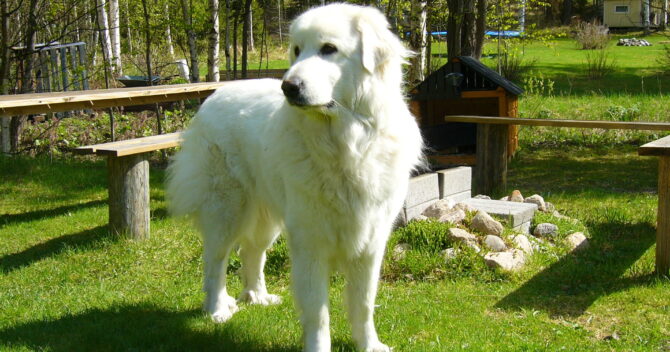
Imagine a dog that can look at you with gentle wisdom, yet command respect with its majestic appearance. The Great Pyrenees Mountain Dog is a living legend from the rugged peaks of the Pyrenees. It is not only the embodiment of strength and courage, but also of unmatched loyalty and calmness. This white giant with a heart full of love easily wins the sympathy of anyone who crosses its path.
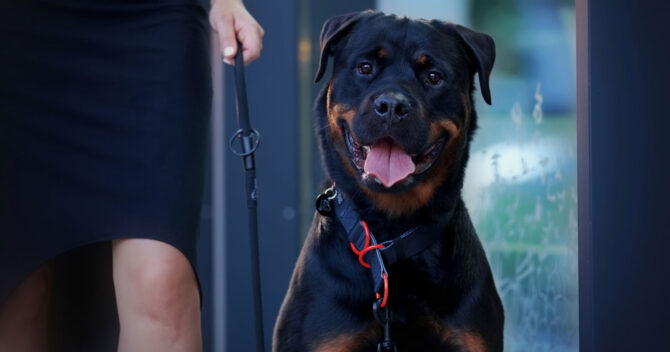
The Rottweiler is considered to be one of the oldest breeds, its history dates back to the Roman times of the conquests. Formerly, he helped to protect the herd and act as a watchman. Today he is a companion and protector of the family.
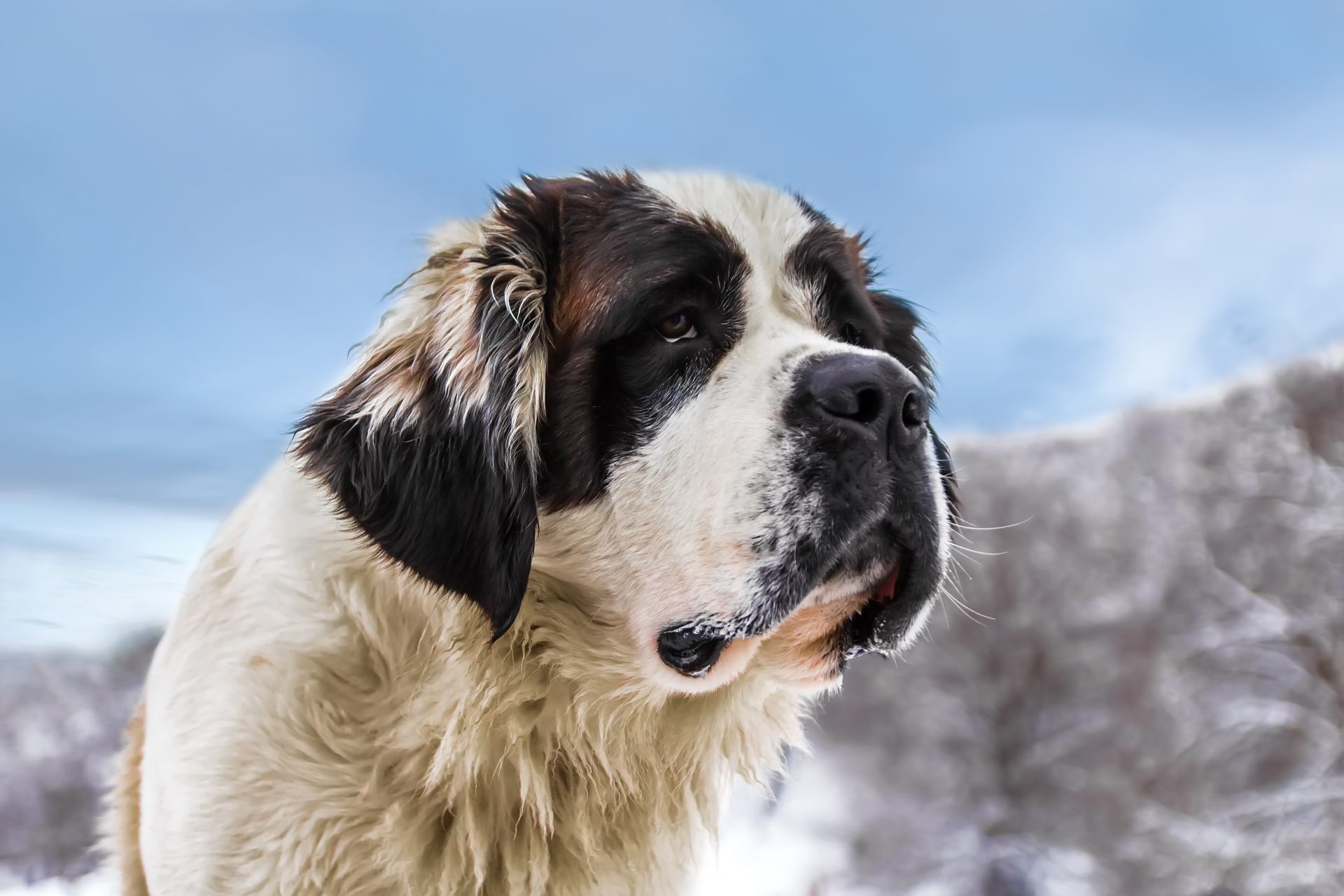
Bernardine. This awe-inspiring calm giant with a gentle-temper fully deserves the admiration he is bestowed upon. It is famous for its great stature and equally big heart. Qualities such as devotion, loyalty and exceptional patience make him an excellent guardian and family friend.