


Argentine Dog (Dogo Argentino) - fearless companion
The Argentine Dog (originally called Dogo Argentino) is a strong, fearless and brave dog, with a powerful stature. At the same time, he is a sensitive, loyal and devoted family companion.
The Argentine Dog (originally called Dogo Argentino) is a strong, fearless and brave dog, with a powerful stature. At the same time, he is a sensitive, loyal and devoted family companion.
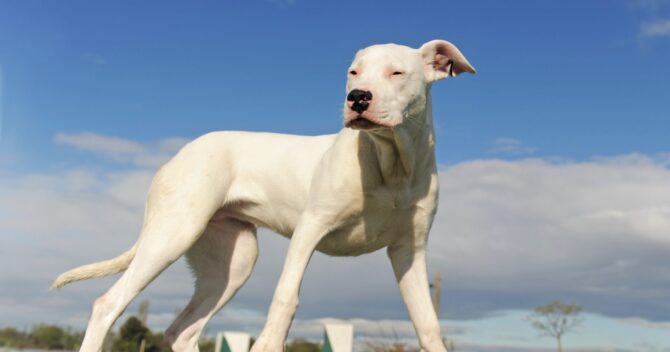
The FCI has classified the Dogo Argentino in Group II, Section 2.1 – as a molossoid dog of the mastiff type. The Dogo Argentino is a muscular, large and strong dog, with impressive dimensions. Adult males can weigh from 40 to 45 kg, and females 35 to 40 kg. Males reach a height of 60 to 68 cm, and females 60 to 65 cm.
The Argentinean Dog has a wide head with a slightly convex skull. Its short snout with a slightly upturned nose gives it an excellent sense of smell. The eyes are dark, oval in shape and evenly spaced under protruding eyebrows. Triangular ears, slightly draping to the sides. The tail of the Argentine Great Dane is strong, straight and tapering towards the end. The skin, taut all over the body, shows the muscles of the quadruped. His back is slightly raised and joins the chest and arms to form a structure similar to that of a bodybuilder.
Here are the suggested sizes for adult dogs of this breed. They were selected on the basis of many years of experience in sewing accessories and the most common choices of other dog owners of this breed. Remember, only measuring will give you 100% certainty - every dog is different.
The color of the Great Dane is completely white, with occasional black spots near the eye, ears or face (the standard allows no more than 10% of the area of discoloration). The hair of this breed is short, straight and smooth.

The history of the Argentine Great Dane breed began almost a hundred years ago in the Cordoba region (Argentina), thanks to the efforts of the Nores Martinez brothers. Difficulties during hunting and problems with protecting herds from attacking wild boars and pumas, prompted the brothers to breed a dog that would meet their expectations. They developed a selective breeding program by crossing the (near-extinct) Cordoba fighting dogs with many other breeds for over 20 years. In this way, massive, athletic and hardy dogs were created that showed a pack mentality but were endowed with a balanced temperament. Strong and persistent dogs were perfect for hunting large game and smaller predators. The white color of the Argentinean Great Danes' coat helped them stand out during hunting, and their courage in the fight against dangerous predators ensured great success for breeders and hunters.
In 1947 the first Argentine Great Dane standard was published. The FCI recognized the Great Dane from Argentina in 1973. In 2020, the American Kennel Club entered this breed on the list, giving it No.195.
The Argentine Dogo is a dog of extraordinary courage. As a breed bred for hunting large game, including wild boars, it is characterized by extraordinary determination and self-confidence. In situations requiring the protection of family or home, this dog will not hesitate to stand up for its loved ones. This quality makes it a great guard. However, its courage does not mean aggression - a well-bred Argentine is balanced and controls its reactions.
Dogs of this breed are extremely loyal to their family. They are attached to their owner and usually bond strongly with the household, showing them tenderness and care. They love spending time with the people they live with. They often seek their closeness. The Argentinian Dogo is a family dog and usually gets along very well with children, as long as they know how to respect the animal's boundaries. However, it should always be remembered that contact between a child and a dog should be supervised.
The Argentinian Dogo is an intelligent dog that likes to cooperate with its owner. This makes it relatively easy to train. However, training should be based on positive reinforcement and consistency. These dogs are smart and learn quickly, but at the same time they have a strong character. This means that they require a firm but gentle, friendly approach. The owner must be a leader who will gain the dog's respect through calm and consistent behavior.
Argentinian Dogs have a strong territorial instinct and are very alert. They are sensitive to the presence of strangers, so they can be distrustful of people they don't know. It is important to provide the dog with proper socialization from an early age. The pet should learn to recognize situations that require calm and those that require his reaction.
The Dogo Argentino can get along well with other dogs, especially if socialized early enough. However, due to its hunting roots, it has a strong hunting instinct. Consequently, it may not always tolerate small animals. Introducing the Dogo Argentino into a home with other animals requires patience and caution.

The Argentine Dog feels best in an environment where it has a lot of space for hiking, sports and training, i.e. on a farm or a house with a garden. It requires an active, patient and consistent caregiver who can provide him with proper socialization, an appropriate dose of physical activity and mental stimulation, as well as friendly training. Besides, this dog needs company and a lot of attention. He does not like loneliness, and prolonged isolation may result in undesirable, destructive behavior in him.
Long walks, running, and playing together are great ways to ensure your dog gets enough exercise. However, it is important to avoid overly intense exercise at a young age when their joints are still developing.
The short, smooth coat of the Argentinian Dogo is easy to care for, but to keep it looking healthy and shiny, it needs to be brushed regularly. Once a week, use a soft brush or grooming mitt to remove dead hair and improve skin circulation. During shedding, it is worth brushing your dog more often to more effectively remove shedding hair. Short, hard hair can easily get stuck in soft materials such as clothes, blankets or carpets, making it difficult to remove. Baths should be done every few months or as needed. It is best to use hypoallergenic shampoos to prevent skin irritations, which this breed can be prone to.
Due to the white fur and delicate skin of the Argentinian Dogo, special attention should be paid to sun protection. The skin, especially around the nose, ears and belly, is susceptible to sunburn. For this reason, it is worth using sunscreen designed for dogs on sunny days. Regular skin checks are also very important. Any redness, rashes or other changes should be noticed and, if necessary, consulted with a veterinarian.
You can't forget to trim the claws regularly if the dog doesn't wear them down naturally during walks. The ears of the Argentinian Dog also require attention. They should be checked regularly to avoid infections, which can happen, especially in a humid environment. An unpleasant smell, redness or discharge may indicate a problem and should be consulted with a veterinarian.
Oral hygiene is another important aspect of care. Brushing your dog's teeth two to three times a week with a special toothpaste for dogs prevents tartar build-up and gum disease. Additionally, you can give your dog dental chews, which help clean their teeth in a natural way.

The Argentine Dogo is considered a healthy dog. The lifespan of this breed is 9-15 years. Like most large and strong dogs, Argentine Dogos have their own specific genetic predispositions. It is worth knowing which diseases they are most susceptible to, to ensure a long and healthy life.
One of the most common health problems in the Argentinian Dogo is congenital deafness (single or bilateral), which results from their white coat. This problem affects some dogs of this breed and can occur in one or both ears. However, deaf dogs can function perfectly well if they are properly trained. Early detection of deafness is possible thanks to the BAER test, which allows you to assess the dog's hearing.
Argentinian Dogos, due to their massive build, are also prone to hip and elbow dysplasia. This is a problem specific to large breeds that can lead to lameness, pain, and difficulty moving. Regular joint checkups, a proper diet, and glucosamine supplementation can help reduce the risk or alleviate the symptoms of this condition.
Dogs of this breed have delicate, white skin that can be prone to various dermatological problems. Skin allergies, sunburns and infections are quite common. The white coat does not protect the skin from the sun's rays, which means that on sunny days, you need to take care of sun protection, especially around the nose and ears.
One of the more dangerous, life-threatening ailments of dogs is gastric torsion. This condition is common in large breeds of dogs, including the Argentine Dogo, and requires immediate veterinary intervention. It is important to avoid intense exercise after meals. Additionally, feeding meals in two smaller portions a day not only allows for better weight control, but also reduces the risk of this condition.
Dilated cardiomyopathy, or heart disease, is another condition that can affect the Argentine Dog. Symptoms such as fatigue, shortness of breath, or coughing should be alarming and prompt a visit to the vet. Regular heart checks can help detect the problem early and implement appropriate treatment.
The eyes of the Argentine Dog also require attention, as this breed is prone to progressive retinal atrophy, which leads to gradual vision loss. Although this disease is not curable, its progression can be slowed by appropriate vitamin supplementation.
It is also worth paying attention to problems related to metabolism, such as hypothyroidism, which can manifest itself as excess weight, lethargy or skin problems. Regular blood tests allow you to diagnose this condition and, if necessary, introduce appropriate hormonal supplementation.
Finally, Argentinian Dogos are prone to developing skin cancers such as melanoma and squamous cell carcinoma, due to their light coat and sensitivity to UV rays. Skin lesions that do not heal or look suspicious should always be consulted with a veterinarian.
Being aware of potential health problems is extremely important. The Argentinian Dog, like any breed, requires regular check-ups with the vet, which are absolutely crucial to maintaining its health and long life. Thanks to preventive visits at least once a year, you can identify disturbing changes even before symptoms appear. Early detection of health problems allows for quick implementation of treatment and prevention of their further development. Check-ups also allow for monitoring the dog's body weight and assessing the general health of the dog. The specialist can choose the right diet, supplements supporting joints or protection against diseases resulting from nutritional deficiencies.
To balance the diet of a Dogo Argentino, you should consider its individual needs resulting from age, weight, activity level and possible health problems. The basis of the diet should be high-quality protein, which supports the development and maintenance of muscle mass. It can come from meat (e.g. chicken, turkey, beef, fish) or dry/wet food with a high meat content.
Fats are an essential source of energy. That is why it is worth enriching your pet's menu with healthy fats, which support healthy skin, fur and joints. The third element - carbohydrates should come from easily digestible sources, such as rice, sweet potatoes or pumpkin. Meals should also contain an appropriate amount of micronutrients, such as calcium, phosphorus, zinc and vitamins (especially D and E), which are important for bones, muscles and the immune system.
Depending on the needs of the dog, both dry and wet food can be used. In the case of dogs that are sensitive to nutrients or prone to allergies, it is best to reach for food with a simple and natural composition. The amount of food depends on the dog's body weight and activity level - for the Argentinian Dogo, this is an average of 20-30 calories per kilogram of body weight per day. It is always worth consulting a feeding plan with a veterinarian or a dog dietician to adapt it to the individual needs of the pet.

The Cairn Terrier is one of the oldest terrier breeds. In Scotland, it was originally used to hunt small game such as foxes and badgers. These small but energetic dogs are graceful, courageous, intelligent and extremely loyal. With their versatility and cheerful nature, Cairn Terriers are excellent both as working dogs and as loyal family companions.
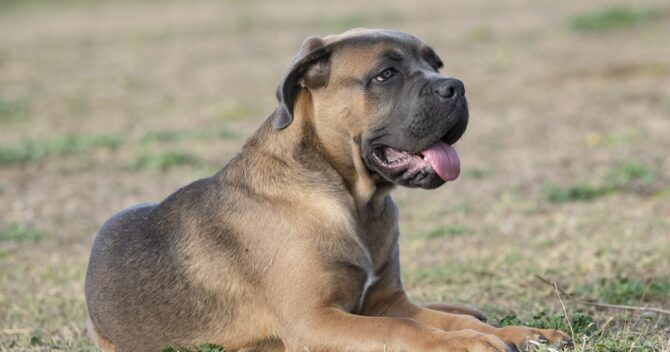
Cane Corso have served various functions throughout their history. They took part in hunting, accompanied Roman legionnaires in battles, fought in the arenas. They were used as guard, guard and shepherd dogs. Currently, they perfectly find themselves in the role of a faithful guardian and defender of the family.

The Eurasier is an extremely elegant and versatile breed that combines charm, intelligence and a friendly character. This dog impresses not only with its beauty, but also with its calm, balanced disposition, making it an excellent devoted family companion.