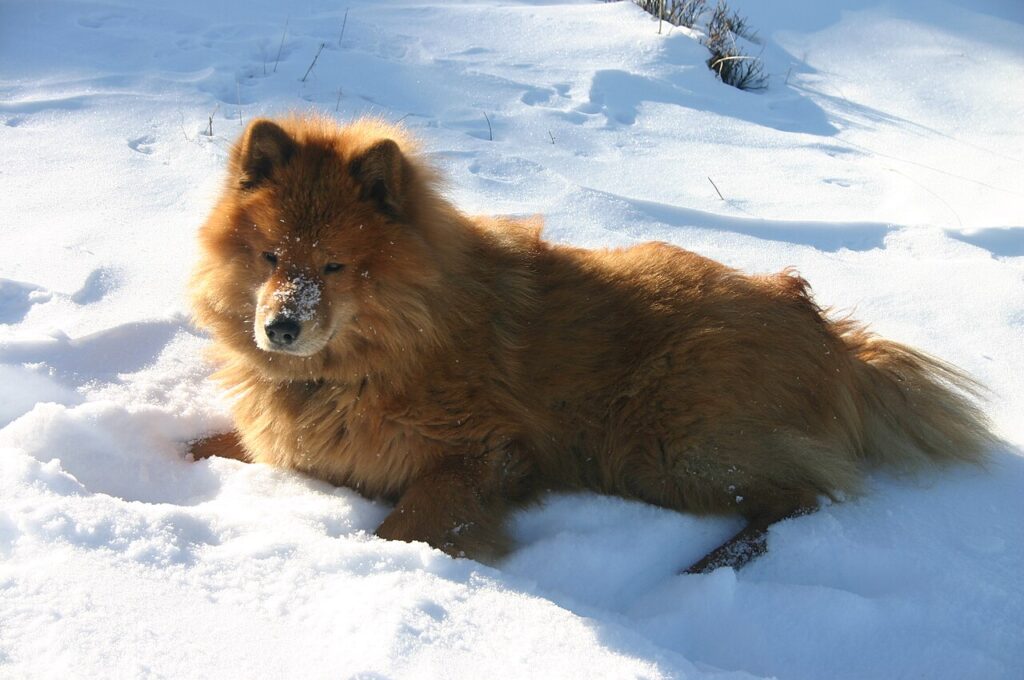
The Eurasier is an extremely elegant and versatile breed that combines charm, intelligence and a friendly character. This dog impresses not only with its beauty, but also with its calm, balanced disposition, making it an excellent devoted family companion.
The Eurasier breed has a relatively young history, dating back to the mid-60th century. The origins of the Eurasier can be traced back to Germany, where Julius Wipfel began work on creating a new family dog. His goal was to combine the characteristics of a working dog with the gentle disposition of a family companion. In the XNUMXs, Julius Wipfel began crossbreeding Chow Chows with European Wolfdogs. His goal was to create a dog with a strong character that would also be friendly and balanced.
In the next stage of breeding, Samoyed genes were added, which helped to obtain a characteristic appearance and an even more gentle temperament. The official name of the dog "Eurasier" was given in 1973, when the breed was recognized by the International Cynological Federation (FCI). Since then, the Eurasier has been known mainly by its official name, but in some countries you can come across alternative names, such as: Eurasian dog, Eurasian.
The breeding of the Eurasier has always been focused on a family and companion dog, without excessive aggression or a tendency to dominate. Thanks to a meticulous approach to breeding, it was possible to create a breed that perfectly fits this role. At the same time, it retains a certain independence and charm. The popularity of the Eurasier gradually grew, and today they are valued all over the world for their loyalty, calm character and beautiful appearance.
What does a Eurasian look like?
The Eurasier is a medium-sized dog with a harmonious and elegant build that exudes natural charm. The height at the withers is from 48 to 60 cm depending on gender, and the weight ranges from 18 to 32 kg. Its silhouette is proportionate, with a straight back and a well-developed chest, which emphasizes its athletic appearance. The distinguishing feature of the Eurasier is its almond-shaped, dark eyes, which give it a gentle, intelligent expression. The medium-sized ears are erect, triangular, slightly turned to the sides, which emphasizes alertness and charm. The muzzle is proportional to the skull, ending with a black, well-developed nose. The paws are compact, oval in shape, adapted both for walks and longer hikes.
The Eurasier's coat is one of its most characteristic features. It is distinguished by its medium-length, dense and soft-to-the-touch coat, which protects against various weather conditions. The undercoat is delicate and abundant, which gives the coat fluffiness. The color of the coat can be very diverse - almost all colors are acceptable except white, piebald and liver. Attention is also drawn to the abundant tail, carried high above the back, and the fur around the neck, which forms a delicate ruff.
Character and temperament
This breed is extremely intelligent, calm and friendly, but at the same time retains a certain independence. The Eurasier quickly establishes a strong bond with its caregivers, showing loyalty and devotion to them. It loves spending time with people, but is not intrusive. It generally waits for attention, showing its love in a subtle way.
In contacts with children, the Eurasier is patient, gentle and understanding, which makes him an ideal companion for families with the youngest. He can adapt his behavior to their needs, remaining calm and careful in play. His natural patience and lack of aggression make him a safe choice for families looking for a four-legged friend.
In relationships with other animals, the Eurasier is usually gentle and sociable. If properly socialized from an early age, it will accept the presence of other dogs or smaller pets without any problems. Thanks to its balanced disposition, it rarely shows a tendency to dominate or be aggressive towards other animals.
In various life situations, the Eurasier can optimally adapt its behavior. At home, it is calm and balanced, which makes it an ideal companion for apartment life. Outside, however, it becomes more active and eager to play. Towards strangers, the Eurasier maintains a moderate reserve. It is not pushy or aggressive, but can be cautious, especially if it senses a potential threat.
How to care for a Eurasier?
Despite its thick and fluffy coat, grooming the Eurasier is relatively simple. The coat of this breed consists of a soft undercoat and straight topcoat. This provides the dog with excellent protection against changing weather conditions. Regular grooming is necessary to keep the coat in good condition and prevent mats from forming.
The basic care procedure is brushing. It is enough to do it once or twice a week to remove dead hair and prevent the coat from tangling. During the moulting period, which usually occurs twice a year (spring and autumn), brushing should be more intensive. Then we comb the coat even every day - due to the abundant shedding of the undercoat. Using the right tools, such as combs or brushes for double coats, makes care much easier.
Bathing is not necessary too often, as the Eurasier's coat has natural self-cleaning properties. It is enough to bathe your pet only when it is really needed, for example after getting dirty with mud. It is worth using gentle shampoos designed for dogs, so as not to damage the skin's natural protective barrier.
In addition, the Eurasier also requires regular check-ups and care for other parts of its body. The ears should be checked periodically for wax build-up and possible inflammation, gently cleaning them when necessary. The eyes, although rarely problematic, are also worth monitoring, and any dirt should be removed with a soft, damp cloth. The nails should be trimmed if they do not wear down naturally during walks (if they are too long, they can cause discomfort when walking). Additionally, it is worth remembering about proper oral hygiene, i.e. regular brushing of teeth and the use of special chews.
Eurasier and his health
The Eurasier is a breed that is generally healthy and resilient, although, like any dog, it can suffer from some specific ailments. The most common ailments include hip and elbow dysplasia, which is typical of medium and large breeds of dogs. It manifests itself through difficulty moving, stiffness of the limbs and pain, especially after physical exertion. Regular orthopedic check-ups, weight control and adequate exercise are key to preventing and detecting this condition early.
Another problem that can occur in Eurasiers is eye disease, such as cataracts or entropion (folding of the eyelids). Symptoms include redness, tearing, or decreased transparency of the eye. Early diagnosis and treatment of these problems by a veterinarian, in some cases surgically, can significantly improve the quality of life of the dog.
It is also worth paying attention to skin diseases that may result from allergies or improper care of the coat. Symptoms include skin redness, itching and hair loss. Regular brushing, bathing with gentle shampoos and a healthy diet can effectively prevent these problems.
Gastrointestinal problems, such as gastric torsion, can be dangerous to the health of the Eurasier. It is an emergency condition that requires immediate veterinary intervention. Prevention includes avoiding intense physical activity immediately after a meal and feeding food in smaller portions.
It is worth noting that regular visits to the vet play an extremely important role in maintaining the health of the Eurasier. Health checks at least once a year allow for early detection of problems and appropriate prevention. Vaccinations, deworming and protection against parasites such as ticks and fleas are essential to keep the dog in good condition.
Training and socialization
Early socialization is extremely important for the Eurasier to teach him self-confidence and appropriate behavior in different situations. From the first months of life, the dog should have the opportunity to meet new people, other animals and different environments, such as the park, street or places with high stimuli. This will make him a balanced and calm companion who does not react fearfully or aggressively in unfamiliar situations.
Eurasier responds well to training based on positive reinforcement and play. Training basic commands such as “sit”, “stay” or “come” can be varied with interactive games that stimulate the dog’s mind. For example, games of fetch, hiding treats or learning simple tricks help develop his natural intelligence and curiosity.
Obedience training in different environments is also an important element. Gradually introducing the dog to places full of stimuli, such as parks full of people or meetings with other dogs, allows the pet to learn appropriate reactions. Exercises related to walking on a loose leash or learning to behave calmly in the company of other animals help to build a balanced temperament.
The Eurasier is a breed that likes routine and stability, but at the same time needs variety in training to keep them motivated. With patience, consistency and a friendly approach, you can raise a dog that is not only obedient, but also happy and fulfilled. This harmony makes the Eurasier the perfect everyday companion.
Diet for Eurasier
It is worth remembering that taking care of proper nutrition affects not only the health, but also the beautiful appearance of the coat and the overall vitality of the Eurasier. Nutrition should therefore be based on a balanced diet that provides all the necessary nutrients, such as protein, fats, carbohydrates, vitamins and minerals. The best choice is high-quality dry or wet food, adapted to the age, size, physical activity and health of the dog. In the case of a home-cooked or raw diet (BARF), consultation with a veterinarian or dietician is necessary to ensure the right proportions of ingredients.
The Eurasier has a moderate appetite, so overfeeding should be avoided to prevent excess weight, which can lead to health problems such as hip dysplasia. It is also important to feed the Eurasier at regular times and avoid strenuous exercise immediately before or after meals to reduce the risk of gastric torsion. The Eurasier should be fed the appropriate number of meals according to its age. Puppies require 3-4 meals a day to support healthy development. Adult dogs, on the other hand, will be satisfied with 2 meals - one in the morning and one in the evening. Older dogs should also be given two smaller meals, adapted to their reduced activity level.
summarizing
The Eurasier is an exceptional family dog, combining gentleness, intelligence and an elegant appearance. It is an ideal companion who quickly establishes a strong bond with its owner. Its calm temperament makes it perfect around children and other animals. Although it requires regular grooming and proper socialization, its charming appearance, friendly nature and loyalty reward this effort. If you are looking for a balanced, affectionate dog with a hint of independence, the Eurasier may be an excellent choice for you and your family.
The Labrador Retriever, endearing with its friendly, sympathetic disposition, is the most popular dog breed in America and is also gaining more and more followers in Europe. It is the perfect combination of intelligence and gentleness, which makes it one of the most beloved pets.
The English Setter is an elegant and versatile hunting dog, valued for its excellent sense of smell and ability to work in the field. This breed is distinguished by its noble appearance, long, silky coat and gentle and friendly character. With its energy, intelligence and calm disposition, it is the ideal companion for active families and people who enjoy long walks or outdoor sports.
Dog teeth play an important role in their daily lives. They affect their ability to eat, chew, and even play. Strong and healthy teeth are not only essential for properly grinding food, but also help your dog enjoy its favorite chews or interactive toys. Many owners wonder how many teeth their four-legged friends have and why their care is so important. Knowing the basics about dog teeth is not only a curiosity, but also the responsibility of every responsible owner. Regular checkups and dental hygiene are key to ensuring your pet's well-being and avoiding health problems.