Imagine a dog that can look at you with gentle wisdom, yet command respect with its majestic appearance. The Great Pyrenees Mountain Dog is a living legend from the rugged peaks of the Pyrenees. It is not only the embodiment of strength and courage, but also of unmatched loyalty and calmness. This white giant with a heart full of love easily wins the sympathy of anyone who crosses its path.
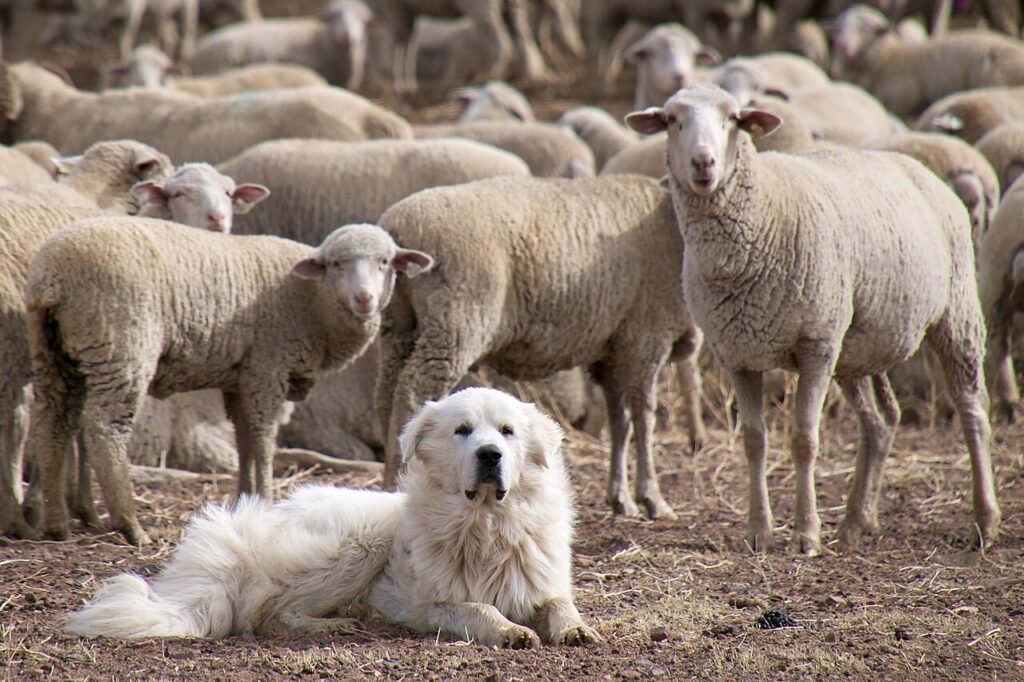
The history of the Pyrenean Mountain Dog dates back thousands of years. It is believed that the ancestors of this breed arrived in the Pyrenees with nomadic people around 3000 BC. These dogs were initially used as herd guardians. They protected sheep from predators such as wolves, bears and lynxes. In the difficult mountain climate of the Pyrenees, dogs had to demonstrate not only courage, but also endurance. In addition, this role also required independent thinking, which is still one of the characteristics of the breed today.
During the Renaissance, the Pyrenean Mountain Dog gained additional recognition, becoming a symbol of prestige among the French aristocracy. It was particularly popular at the court of Louis XIV, where it served as a guard dog in the castles and residences of the nobility. In the 17th century, the breed was officially recognized as the “royal dog of France.” However, throughout the centuries, the Pyrenean Mountain Dog was primarily associated with pastoral life.
In the 19th and 20th centuries, with increasing industrialization and the reduction of predators in Europe, the breed began to be less needed in its traditional role. As a result, its numbers decreased. However, thanks to the passion of enthusiasts and breeders, these dogs gained new importance as family and show dogs. Today, the Pyrenean Mountain Dog is valued both as a companion and as a guard dog.
Appearance
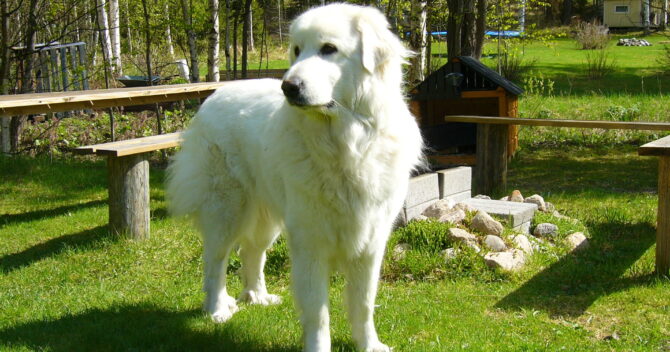
The physical characteristics of the Pyrenean Mountain Dog are a combination of majestic strength and elegance. This powerful four-legged friend makes an impressive impression. The Pyrenean Mountain Dog is a true giant in the dog world, and its massive but harmonious silhouette inspires admiration and respect. Adults reach impressive sizes - dogs can measure from 70 to 82 centimetres at the withers, and their weight reaches up to 60 kilograms. Females are slightly smaller but equally powerful, reaching a height of 65 to 75 centimetres and weighing from 40 to 50 kilograms.
The most characteristic element of the appearance of these dogs is their thick, snow-white coat. It often has subtle spots in shades of gray, yellow, brown or ginger. These markings usually appear on the ears, tail or around the body. The double-layered coat, consisting of a soft undercoat and longer, straight or slightly wavy guard hair, emphasizes the majestic appearance of the pet. However, above all, it provides excellent protection against difficult weather conditions.
The head of the Pyrenean Mountain Dog is broad and slightly rounded, giving it a gentle yet dignified expression. The dark, almond-shaped eyes seem to look with wisdom and calm, reflecting its balanced character. The drooping, triangular ears lie close to the head, emphasizing the soft lines of its silhouette. The black, well-developed nose and strong muzzle complete the harmonious build.
The characteristic, abundantly furred tail usually hangs down, although when the dog is agitated it can curve it over the back. The large, compact paws equipped with double dewclaws on the hind legs are evidence that this breed was perfectly adapted to work in difficult, mountainous terrain.
Temperament and behavior
The Pyrenean Mountain Dog is the epitome of calmness, loyalty and independence. Its temperament reflects its centuries-old history as a herd guardian and defender against predators, which has made it a confident and independent dog. This means that it can be a bit stubborn, but at the same time it is very loyal to its owners. Its independence means that it sometimes makes decisions on its own, which can be both an advantage and a challenge for its owner. At the same time, it is a dog with an extremely gentle heart and a balanced character that exudes composure.
It has a strongly developed protective instinct. As a guard, it is alert and, if necessary, can firmly defend its charges. Despite its size and strength, it is not aggressive without reason. By nature, it is devoted, gentle and understanding, especially towards children and pets. The Pyrenean Mountain Dog feels responsible for their safety and will guard its household members with full commitment. This is a dog that loves closeness to its household members, although it is not intrusive in showing feelings. It prefers to lie quietly near its guardians, observing the surroundings.
The Pyrenean is distrustful of strangers, which makes him an excellent watchdog. He will never attack without reason, but his deep, loud voice can effectively scare off potential intruders.
How to care for a Pyrenean Mountain Dog?
The Pyrenean Mountain Dog, although majestic and resistant to harsh conditions, requires regular grooming to stay healthy and beautiful. Its thick coat and large size mean that grooming can be time-consuming.
The coat of the Pyrenean Mountain Dog is its trademark, so it requires special attention. It should be brushed at least twice a week to prevent knots and remove dead hair. Special attention should be paid to the areas behind the ears, under the arms and around the tail, where the coat tends to tangle. During shedding seasons (spring and autumn), daily brushing is necessary, as the dog sheds a lot of hair at that time. Frequent baths are not necessary. The coat of the Pyrenean is quite resistant to dirt. When necessary, you can bathe your pet using gentle, natural shampoos for dogs. Then dry the coat thoroughly to avoid skin problems.
The thick, dense coat protects the skin of the Pyrenean Mountain Dog, but its condition should be monitored regularly. After each walk (especially in wooded areas), it is worth checking the dog for ticks. In addition, the skin should be observed for redness, dandruff or an unpleasant odor, which may indicate an allergy or infection.
The Great Pyrenees will usually wear down their claws naturally during walks. Otherwise, they will need to be trimmed regularly (about every 4-6 weeks).
Dental care for the Great Pyrenees is equally important. Regular brushing (at least 2-3 times a week) with a dog toothpaste helps to keep the oral cavity in good condition. You can use special chews or bones that help to naturally wear down plaque.
Another issue is the care of the ears of the Pyrenean Mountain Dog, which can be prone to infections, so they should be checked and cleaned regularly. Excess wax and dirt are best removed with a damp, soft cloth or ear cleaner for dogs. Symptoms such as: unpleasant odor, redness or the dog scratching the ears, require a quick response.
Pyrenean Mountain Dog and Its Health
The Great Pyrenees, although known for its endurance and resilience, like any breed, can be prone to certain health problems.
Joint dysplasia – a common problem in large breeds
One of the most common conditions is hip and elbow dysplasia. This condition, which results from improper joint development, can lead to pain and difficulty moving. It is manifested by stiffness after rest, reluctance to exercise, and visible lameness. Depending on the severity of the disease, anti-inflammatory drugs, physiotherapy, or surgery are used. To prevent dysplasia, it is important to maintain a healthy weight for your dog, avoid intense exercise during the growth period, and use supplements that support joint health.
Bone tumors – dangerous osteosarcoma
Another problem worth looking at is osteosarcoma, an aggressive bone cancer. Although it cannot be completely prevented, early detection gives a better chance of successful treatment. Typical symptoms include limb pain, lameness and swelling at the site of the tumor. In such cases, veterinary intervention is necessary, usually in the form of surgery and chemotherapy.
Heart disease – dilated cardiomyopathy
The Great Pyrenees, like many large breeds, is also prone to heart disease, including dilated cardiomyopathy. This disease weakens the heart muscle, leading to symptoms such as weakness, shortness of breath, exercise intolerance, and even fainting. Regular heart checkups, a proper diet, and moderate exercise can help prevent or detect this condition early.
Stomach torsion – a life-threatening condition
This breed is also prone to bloating and gastric torsion. This is a sudden and life-threatening condition that requires immediate veterinary intervention. Bloating is manifested by an enlarged belly, excessive salivation and restlessness of the dog. To reduce the risk, meals should be served in smaller portions, and intense physical exercise should be avoided immediately after eating. It is also worth using bowls that slow down eating.
Eye problems - cataracts in Great Pyrenees
Eye problems, such as cataracts, are also not uncommon in this breed. Clouding of the lens and difficulty in orientation are symptoms that may indicate the developing disease. Regular check-ups with a veterinarian can help with early detection and treatment, including surgical removal of cataracts.
Prevention and care – the key to the health of the Great Pyrenees
To keep your Pyrenean Mountain Dog in good condition, it is crucial to take care of prevention. Regular visits to the vet allow for early detection of health problems and implementation of appropriate treatment. At least once a year, it is worth conducting comprehensive tests, including blood tests, heart, eye and joint checks. Regular vaccinations, deworming and monitoring the dog's weight are also essential for its health. Additionally, a proper diet and physical activity adapted to the needs of the breed can significantly affect its quality of life.
Training and socialization
The Pyrenean Mountain Dog is a unique breed that combines independence with extraordinary loyalty. Its training and socialization require a special approach, because this breed, accustomed for centuries to working in isolation, has a natural tendency to think independently. The key to success in raising a Pyrenean is patience, consistency and a respectful understanding of its unique temperament.
Training methods
The Pyrenean Mountain Dog, although intelligent, can be stubborn and independent. It is important to use positive reinforcement methods in training, which motivate the dog to cooperate. Rewards in the form of treats, praise and petting work best because dogs of this breed respond positively to friendly approaches. Hard methods, such as shouting or coercion, will not only not bring results, but can also destroy the trust between the dog and the owner.
Training for a Great Pyrenees should be short and varied to prevent boredom. This breed easily loses interest in repetitive exercises, so it is important to introduce a variety of tasks that will challenge its intellect. Learning basic commands such as “sit,” “stay,” and “come” is essential. Equally important are exercises related to self-control and focusing on the owner.
The importance of early socialization
Early socialization is a key part of raising a Pyrenean Mountain Dog. As a breed with a strong guarding instinct, the Pyrenean Mountain Dog can be wary of strangers. To prevent over-vigilance or fear, introduce your dog to a variety of situations, places, sounds, and people as early as possible.
From puppyhood, it is a good idea to organize meetings with other dogs and people so that the dog learns to recognize what is a potential threat and what is a normal situation. A visit to a dog playground, walks in crowded places or introducing guests to the house are excellent opportunities for the Great Pyrenees to become accustomed to a variety of stimuli.
Examples of training and games
The Great Pyrenees loves activities that stimulate them both physically and mentally. Here are some examples of training and games that can enrich their daily life:
Smell games: Finding treats hidden in the grass, house, or special toys is a great activity for this breed. It stimulates their natural instincts and helps them focus.
Trail training: The Great Pyrenees loves walks, especially in more challenging terrain. Taking him on hikes in the mountains or forest will allow him to fulfill his innate need for exploration and movement.
Self-control exercises: Teaching your dog to wait calmly for food or stay in one place on command helps develop his self-discipline.
Working on a leash: Training to walk on a leash is an important part of training. Great Pyrenees, because of their strength, can pull if they are not taught to walk properly.
During play and training, it is important not to overexert your dog, especially at a young age when his joints are still developing. Excessive physical activity at this stage can lead to health problems in the future.
Great Pyrenees and Their Diet
The diet of a Pyrenean Mountain Dog should be well-balanced. It is important to ensure that it is adapted to its age, size, activity level and health. The best solution is a high-quality food that provides the right amount of protein, fats, carbohydrates, vitamins and minerals. In the composition of the food, it is worth paying attention to the presence of ingredients that support joints, such as glucosamine and chondroitin.
During the growing period, the Great Pyrenees need a food for large breed puppies that provides controlled levels of calcium and phosphorus. It is important to avoid overfeeding, as excessive weight gain can put strain on developing joints. Adult Great Pyrenees need a food with an adequate energy level to maintain a healthy weight. A diet that is too high in calories and with limited exercise can lead to obesity. Older Great Pyrenees require a food that is lower in fat, yet rich in ingredients that support the joints and immune system.
Due to the risk of bloating or gastric torsion, meals should be given in three smaller portions per day. It is also important to avoid intense physical activity before and after meals. Give your dog about 30 minutes to rest.
If the owner decides to prepare meals themselves or to follow a BARF diet, care should be taken to ensure the right proportions of protein, fats and carbohydrates. Vitamin and mineral supplementation is also important. The diet should be carefully balanced, preferably after consultation with a veterinarian or animal dietician.
Great Pyrenees Mountain Dog – Summary
The Great Pyrenees combines the strength of a guardian with the gentleness of a friend. His devotion to his family, patience with children, and ability to live in harmony with other animals make him a wonderful companion. However, his independence and need for space require an experienced owner who will be able to meet his unique needs. This is a dog that not only protects, but also gives a sense of security and love to anyone who enters his "pack."
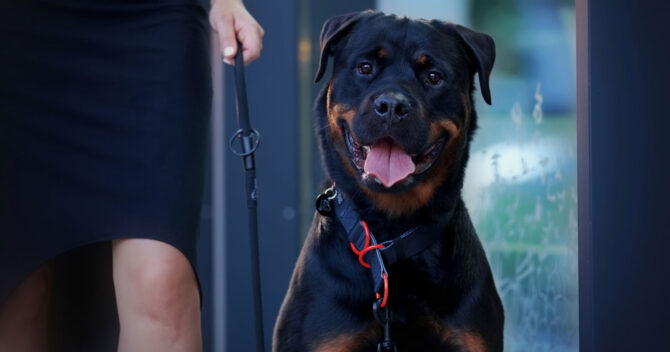
The Rottweiler is considered to be one of the oldest breeds, its history dates back to the Roman times of the conquests. Formerly, he helped to protect the herd and act as a watchman. Today he is a companion and protector of the family.
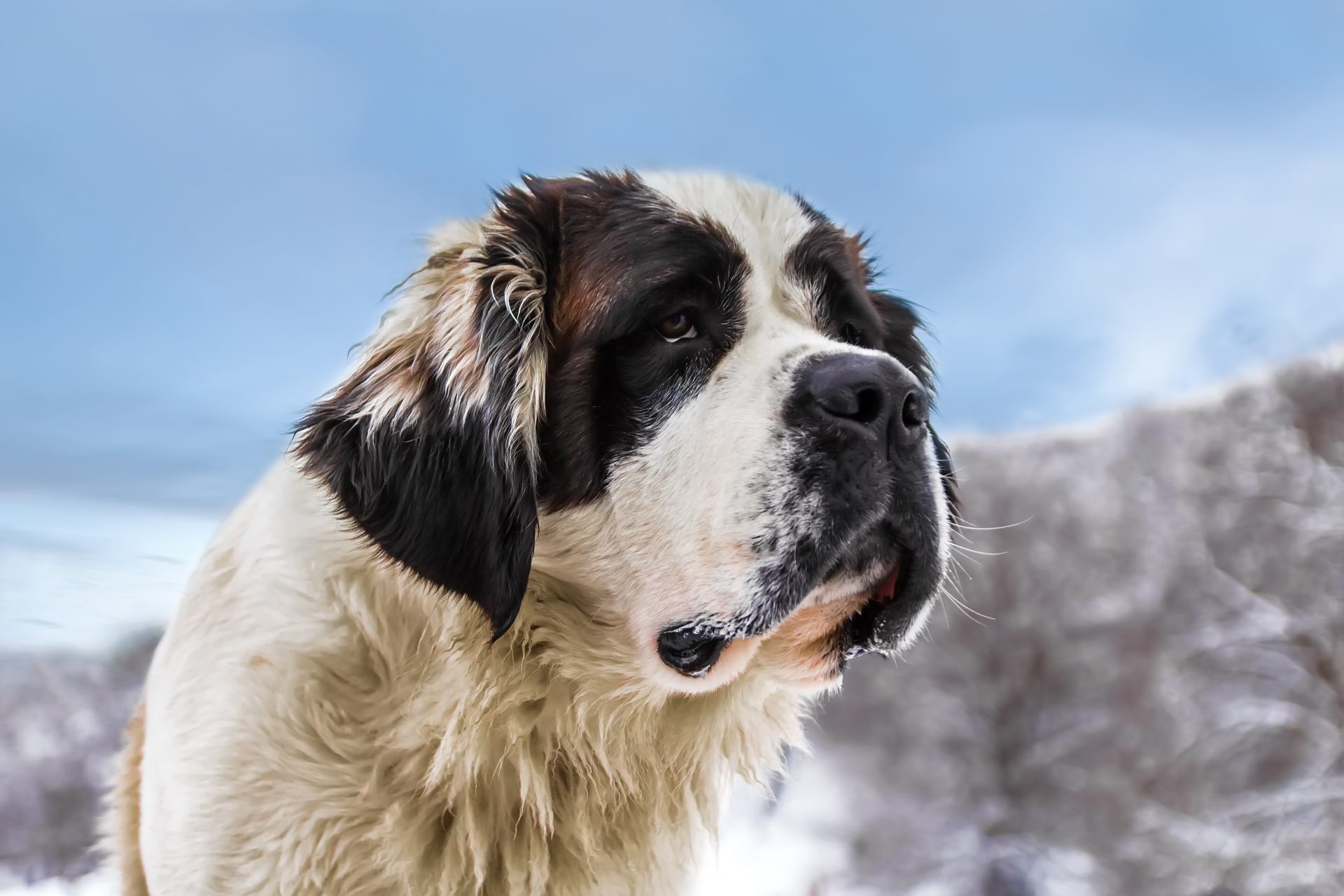
Bernardine. This awe-inspiring calm giant with a gentle-temper fully deserves the admiration he is bestowed upon. It is famous for its great stature and equally big heart. Qualities such as devotion, loyalty and exceptional patience make him an excellent guardian and family friend.
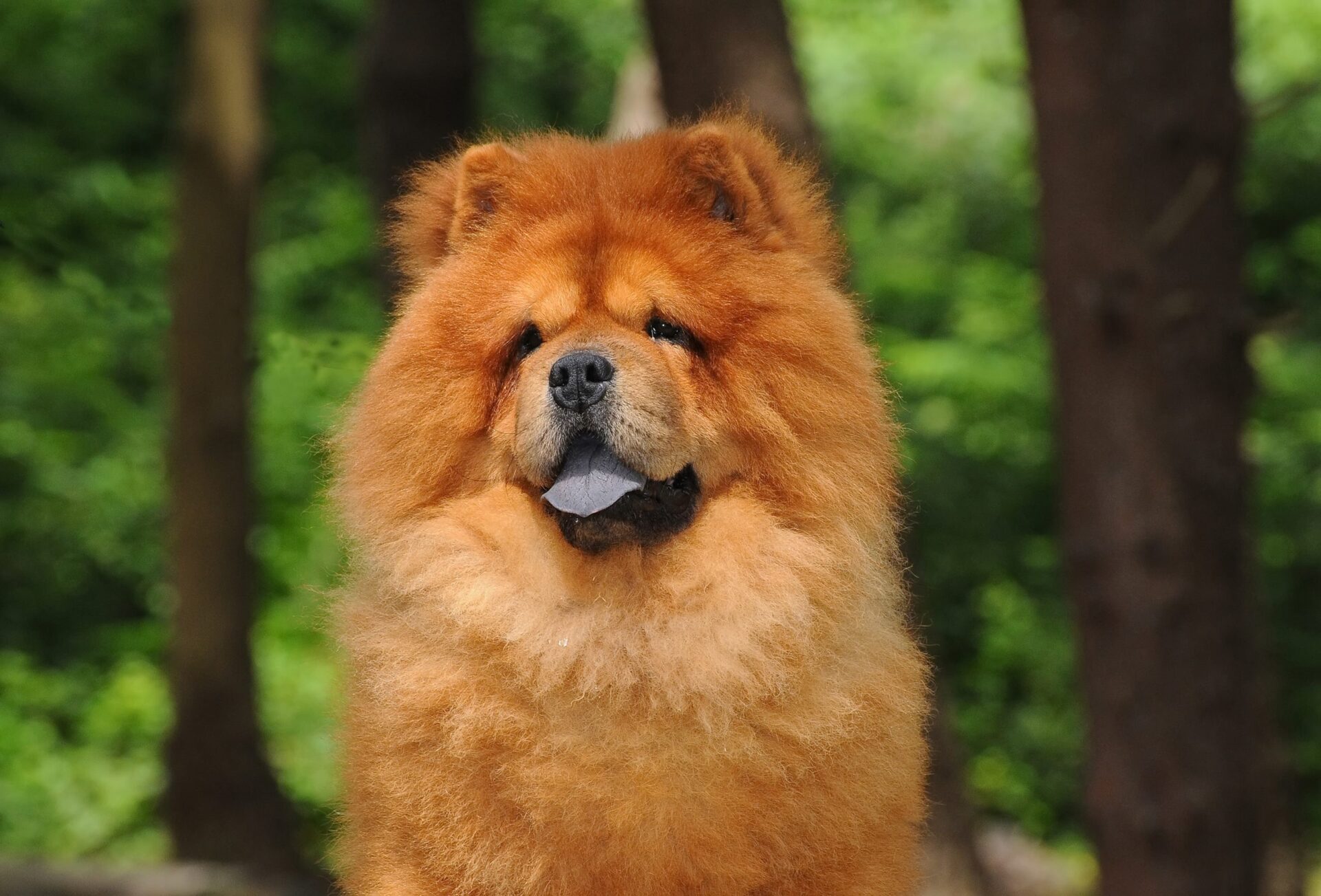
The Chow Chow is a very calm and extremely alert dog with a proud, dignified demeanor. He is a faithful companion and a great guardian. Currently, it is a popular and intensively bred all over the world breed that has earned the friendship of many show business stars and celebrities.






.jpg)