What is a dog lipoma?
A dog lipoma is one of the most common benign tumors of the subcutaneous connective tissue. It is formed as a result of an overgrowth of adipose tissue, adipocytes, i.e. fat cells surrounded by a thin fibrous capsule. These changes usually do not pose a major threat to your pet's life, but they can (especially large ones) cause discomfort. Fortunately, only very rarely do lipomas take the form of lipoma-fibromas, which require urgent surgical intervention followed by intensive specialist treatment. The lesions usually appear around the trunk and neck, on the abdomen, and less often on the limbs and chest.
Lipomas most often take the form of warts or subcutaneous nodules. They can appear both singly and in multiple forms. They usually grow very slowly or do not change in size. They do not tend to ulcerate or crack. They are resilient, soft, easy to slide under the skin. In most cases, they do not cause pain, but when they reach large sizes, they can compress internal organs and cause pain or other problems, e.g. with breathing.
Risk group
The group of dogs at highest risk of lipomas includes dogs that are significantly overweight and those that are middle-aged and older. Lipomas are thought to be a natural part of an animal's aging process. The dog breeds at risk of this type of changes include: Labradors, German Shepherds and Shetland, Weimaraners, dachshunds, beagle i schnauzers.
Types of dog lipomas
The most common form is a benign lipoma, the so-called classic lipoma. A less common, infiltrative lipoma can grow into surrounding tissue, such as muscles, tendons, blood vessels, nerves, and bones. It usually shows a greater tendency to grow and if it becomes large, it must be surgically removed. Another, fortunately very rare, form of "liposarcoma" is a malignant tumor that can spread rapidly and affect internal organs: the liver, spleen and lungs. The rapid growth of subcutaneous lesions becomes a threat to the animal's life and requires immediate medical intervention.
What are the causes of dog lipomas?
The causes of the formation of lipomas have not yet been clearly explained. Both genetic factors, the influence of hormones and external factors (e.g. too tight collars, braces or at the site of previously acquired injuries) are taken into account. The causes are also seen in inflammatory changes caused by the immune system, and abnormalities in the dog's digestive system. If the internal organs (liver, kidneys, intestines) that are responsible for neutralizing toxins are not working properly, lipomas appear, signaling the appearance of excess toxins in the body.
How to treat a dog lipoma?
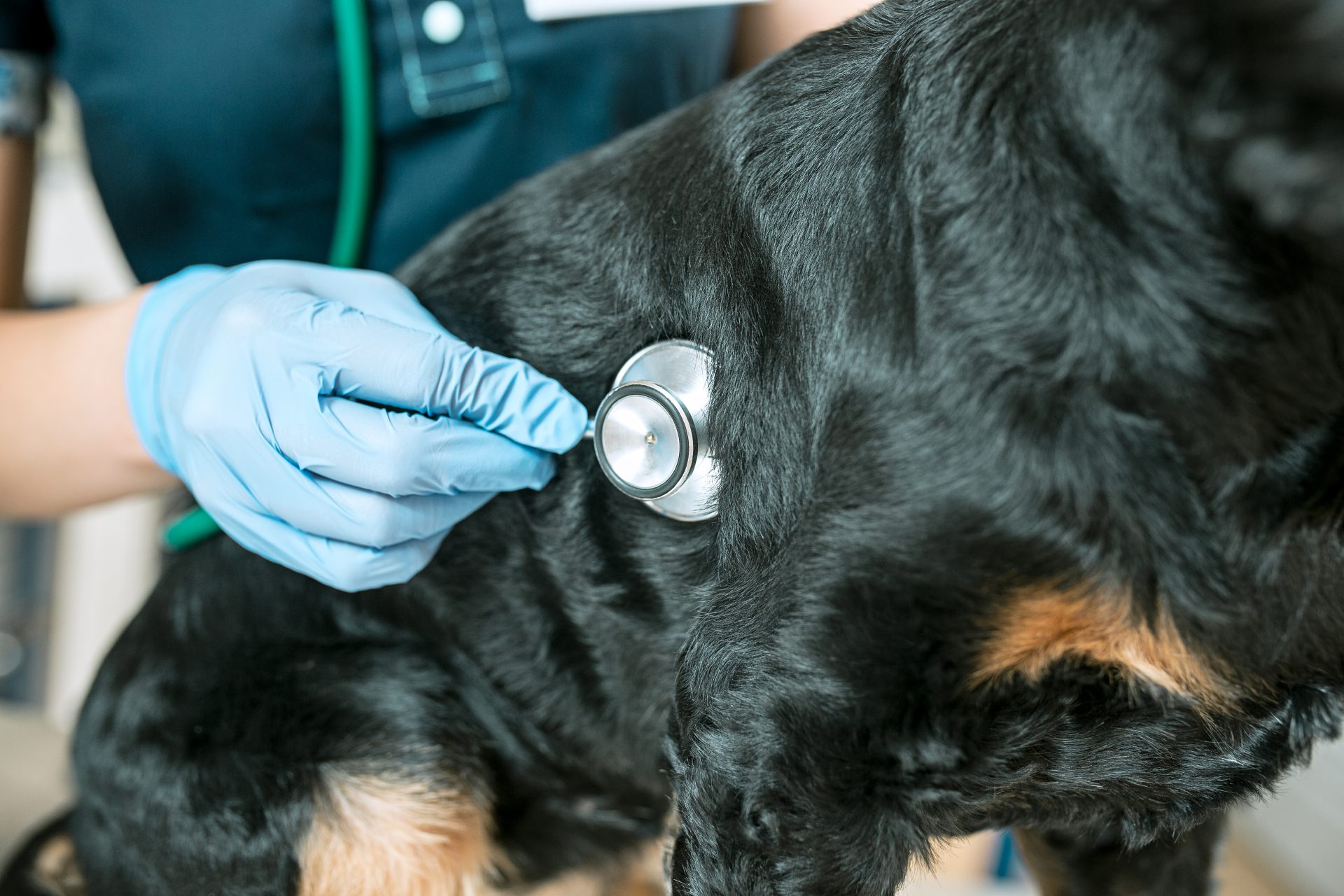
A typical lipoma is easy to recognize. It can be determined by palpation. Such a study, however, does not provide XNUMX% certainty as to the exclusion of malignant neoplastic changes. In case of any doubts, a laboratory histopathological examination of the sample collected during the biopsy is performed. Fine needle biopsy is a safe, quick and minimally invasive diagnostic method. The waiting time for the result is only a few days.
In addition, a vet may order basic laboratory tests and X-rays (most often in the case of older dogs).
Benign lipomas, especially in the form of small nodules, do not require treatment. As long as they do not disturb the dog, they are only monitored. However, when the lesions reach a size that discomforts the dog, the vet usually decides to have the lipoma surgically removed. This situation applies to the classic form of a tumor that does not damage adjacent healthy tissue. In the case of an infiltrating lipoma, it is not certain that the removed lesion will not grow back after some time. Therefore, most often a small lump is left alone. The larger tumor and the surrounding tissue are surgically removed.
In the case of malignant changes, apart from surgery, radiotherapy or chemotherapy (in some cases, both) are used. The prognosis for individual lesions remains an individual matter and depends primarily on the type of tumor, health condition of the dog and its age.
How can I prevent lipomas from forming in my dog?
Since the causes of lipomas are not fully known, preventing fat build-up is difficult. The research shows that counteracting obesity, changing the diet (introducing more natural products into the daily menu) and sterilizing females may have positive effects in this regard. Above all, the increased attention of the caregiver is important. Regular inspection of your pet's skin (especially in old age) can help detect changes earlier. It should be remembered that any lump that is noticed should undergo a veterinary examination.
Maybe you'll like it: