The Japanese Spitz is a true gem among dogs – small, but full of energy and charm. This elegant dog, with its snow-white fur and intelligent gaze, wins the hearts of both dog lovers and families looking for a loyal companion. Although its appearance resembles a small snow king, the Japanese Spitz is a breed known for more than just its beauty. It is distinguished by its extraordinary loyalty, cheerful disposition and ease in adapting to different conditions.
The Japanese Spitz (Nihon Supittsu) has a relatively short but fascinating history. It begins in the 20s in Japan. The breed was created based on Spitz dogs that were brought to Japan from Europe. These small white quadrupeds quickly gained popularity among Japanese breeders. They decided to improve their characteristics to create a breed that was ideally suited to local conditions.
Initially, breeding was based on imported spitz dogs of various types. These included American and Russian spitz dogs. This influenced genetic diversity. Breeders focused on obtaining a dog with a compact build. Thick, snow-white fur and an exceptionally gentle character were also important. The breed began to take on its current appearance in the 30s.
After World War II, the Japanese Spitz gained popularity. The breed was valued not only in Japan. The unique appearance and wonderful character traits of the Japanese Spitz gained recognition outside its borders. In 1948, the Japanese Kennel Club (JKC) developed an official breed standard. It became the basis for further breeding.
Over the years, the breed has evolved into a domestic dog. The Japanese Spitz has a reputation for being intelligent, friendly, and easy to train. Today, it is valued for its adaptability. It is well suited to a variety of lifestyles, and is at home in both city apartments and country estates. However, it is still a relatively rare breed outside of Japan.
Appearance of the Japanese Spitz
The general appearance of the Japanese Spitz combines harmony and elegance. It is a medium-sized breed. These dogs reach a height at the withers of 30 to 38 cm. Males are usually slightly larger than females. Weight ranges from 5 to 10 kg. It depends on the gender and individual characteristics of the dog.
Its compact silhouette combines a harmonious structure. The body is light but muscular. The head of the Japanese Spitz is proportionate to the rest of the body. The stop, or transition between the forehead and the muzzle, is distinct. The eyes are medium sized and almond-shaped. They are usually dark brown in color. This gives the look an intelligent and friendly expression. The ears are small, triangular and erect. The paws are compact and well-muscled. This allows the Spitz to move freely, lightly, with full grace.
The most characteristic feature of the Japanese Spitz is its snow-white coat. It is dense and double-layered. The undercoat is soft and very dense. The longer, straight guard hair creates an impressive "ruff" around the neck. This gives the dog an exceptionally elegant appearance. The tail is abundantly furred. It is usually carried high, curled over the back.
Character and temperament
The Japanese Spitz is a dog with an exceptionally friendly, cheerful and balanced character. It is known for its great loyalty to its owner and its willingness to establish a close relationship with its family. It is a dog that combines energy and gentleness. Its intelligence and quick learning make it an ideal companion for people who value obedient and easy-to-train dogs.
The Japanese Spitz is very flexible in adapting to different living conditions. At home, he behaves calmly and gently, enjoying the closeness of people. On walks, he shows his energy and love of activity. He is brave, but not pushy, thanks to which he copes well in new situations. His natural curiosity helps him in contacts with the environment, while at the same time he is cautious towards strangers.
It is worth emphasizing that the Japanese Spitz is a great family dog. It loves spending time with people and needs the closeness of its caregivers, which makes it an ideal companion dog. It willingly participates in family activities and quickly adapts to the pace of life of the household. It gets along great with children, thanks to its gentle nature, tolerance and patience. It is sensitive and delicate, which makes it trustworthy in contacts with the youngest. However, it is important to teach children to respect the dog so that the relationship is safe and comfortable for both parties.
In general, the Japanese Spitz gets along well with other pets. Thanks to its sociable nature, it can establish positive relationships with dogs, cats, and smaller animals. Early socialization is essential for the dog to feel comfortable around other animals. Although it can be a bit dominant at times, it generally avoids conflict and accepts new companions easily.
Care
The Japanese Spitz is a dog with a snow-white, spectacular coat that requires regular care. Despite this, keeping it in good condition is relatively easy. However, it is important to follow a few basic rules. To keep the coat in good condition, it should be brushed regularly. It is enough to do it 2-3 times a week. Brushing removes dead hair and prevents the formation of tangles. During the shedding season, i.e. spring and autumn, brushing should be more frequent. It is worth combing the dog every day.
Bathing the Japanese Spitz is only necessary once every few months. It can be done more often if the pet gets dirty. For bathing, use gentle shampoos designed for dogs with sensitive skin. The Spitz's coat has natural dirt-repellent properties. Thanks to this, the dog looks neat for a long time.
The Japanese Spitz's nails should be trimmed regularly. If the dog often walks on hard surfaces, the nails may wear down naturally. Otherwise, it is usually enough to do it every 2-4 weeks. The Spitz's teeth require regular care, preferably 2-3 times a week. Special toothbrushes and toothpaste designed for dogs should be used. You can also use dental snacks or toys that support oral hygiene.
Japanese Spitz Health
The Japanese Spitz is generally in good physical condition and longevity, with some dogs living up to sixteen years. However, like any breed, they can be prone to certain health problems.
One of the more common conditions is patella luxation. This manifests itself as lameness or difficulty moving. In more advanced cases, the dog may avoid putting weight on the affected paw. Treatment often requires surgical intervention. To reduce the risk, avoid excessive strain on the dog's joints.
Another potential problem is progressive retinal atrophy. This is a genetic condition that can lead to vision loss. An early sign is that your dog may have difficulty seeing in low light. Regular eye exams can help detect the condition early. Although there is no cure, you can adjust your dog's environment to improve his comfort.
Some Spitz dogs may be prone to skin allergies. These can manifest as itching, redness of the skin, or frequent scratching. In this case, it is necessary to identify and eliminate the allergen. Your veterinarian may recommend an appropriate diet or drug treatment.
Important! The health of the Japanese Spitz can be supported by proper care. This includes in particular: a healthy diet, regular physical activity in a moderate range, care for the health of the joints. In addition, avoiding overexerting the dog and intensive running on hard surfaces. Regular visits to the vet are also essential. Check-ups should take place at least once a year. During such visits, the vet will check the general health of the dog, take care of vaccinations and antiparasitic prophylaxis. He may also perform blood tests, check eyesight and joint condition.
Training and socialization of the Japanese Spitz
The Japanese Spitz is an intelligent dog that learns new things quickly. Thanks to its friendly nature and willingness to cooperate, it is easy to train. The key to success is the right methods, patience and consistency in actions. Training should be based on positive reinforcement, rewarding the dog for good behavior and excluding the use of punishment. It is worth using short and regular training sessions in a calm atmosphere.
The Japanese Spitz appreciates contact with its owner. Training should therefore be an opportunity to build a close relationship. It is best to start training with simple commands such as “sit” or “stay”. Over time, you can introduce more advanced commands. The Japanese Spitz loves activity and games that engage its mind. One of the best ways to teach is to combine training with play. You can use interactive toys that require the dog to solve simple problems. Games of fetch teach obedience and help burn energy.
Exercises such as “fetch the ball” or “seek the treat” are ideal for this breed. Playing games together strengthens the bond between dog and owner. Obedience training should be interspersed with games so the dog does not get bored. Also teach him tricks that develop his intellectual abilities.
It is also worth remembering about early socialization of the Japanese Spitz. This process should begin in the first weeks of the dog's life (around 3-16 weeks) and include several key aspects:
getting to know different people, such as children, adults and the elderly, as well as becoming familiar with touch,
introducing the pet to other animals so that it learns appropriate communication and social behavior,
exploring different places such as parks, streets, pet shops,
getting used to different sounds and objects.
Early socialization helps your dog become more confident, balanced, and less prone to anxiety or behavioral problems in the future.
Principles of feeding the Japanese Spitz
This breed, despite its activity, has relatively low calorie needs. Therefore, the diet should be well-balanced and adjusted to its age, size, general health and activity level. The Japanese Spitz feels best on a diet based on high-quality food. The food should contain the right amount of protein, fats and carbohydrates. It is worth choosing food designed for small breeds of dogs. It is adapted to their energy needs and size. Low-quality food that contains a lot of artificial additives should be avoided. Good food supports the health of the coat, skin and the general condition of the dog.
In the case of home feeding, it is best to consult the diet with a veterinarian. In addition, any change in the diet should be consulted with a veterinarian. If the dog has food allergies or special dietary needs, it may be necessary to introduce a veterinary diet.
An adult Spitz should be fed twice a day. For puppies, three or four meals a day are recommended. Portions should be adapted to the dog's weight and activity level. Too large portions can lead to overweight, and too small to deficiencies. The Japanese Spitz can be given healthy snacks, but in moderation, no more than 10% of the daily calorie requirement. We advise against feeding your dog table scraps. They may contain ingredients that are harmful to its health, such as spices or fats. Healthy additions include, for example, cooked vegetables, such as carrots or pumpkin.
A snow-white friend, full of joy and loyalty
The Japanese Spitz is a dog that combines elegance, intelligence and a friendly nature. It is an ideal companion for families, active people and those looking for a loyal friend. Its snow-white coat, cheerful disposition and ease of training make it hard to resist. At the same time, it requires responsible care, regular grooming and a lot of attention. If you dream of a dog that will bring joy and energy to your life, the Japanese Spitz may be a bull's eye. This is a breed that values closeness to humans and can adapt to different lifestyles.
Most frequently asked questions
Where does the Japanese Spitz breed come from?
The Japanese Spitz comes from Japan, where it was created in the 20s. This breed originates from Spitz dogs imported from Europe. Japanese breeders have improved its characteristics, creating a dog perfectly adapted to local conditions.
What does a Japanese Spitz look like?
The Japanese Spitz is a medium-sized dog with a snow-white coat. It has a proportionate figure, almond-shaped, dark brown eyes and erect, triangular ears. Its tail is abundantly furred and curled over the back.
Is the Japanese Spitz suitable for apartments?
The Japanese Spitz is great for apartment living. He is a sociable dog, calm at home, but needs daily walks. His flexible nature allows him to easily adapt to different conditions.
Does the Japanese Spitz get along well with children?
The Japanese Spitz gets along great with children thanks to its gentle and patient nature. It loves family activities and being close to family members. It is important for children to understand how to respect the dog and its space.
How long does a Japanese Spitz live?
The Japanese Spitz has an average lifespan of 12 to 16 years. Its lifespan depends on proper care, a healthy diet, and regular activity. Regular visits to the vet will support its health and well-being.
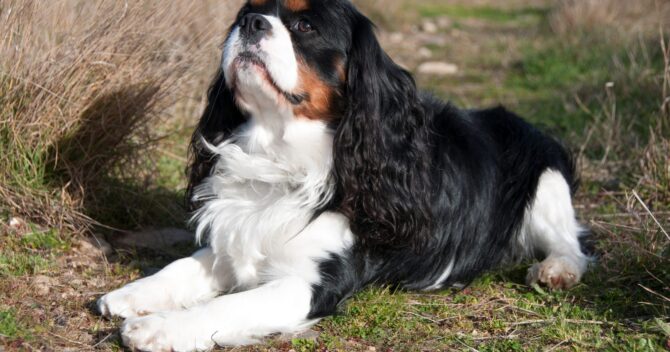
The Cavalier King Charles Spaniel is a graceful, cheerful, non-aggressive dog. He has a gentle, friendly and kind disposition which makes him an excellent family dog for companionship.
The Cavapoo is a charming cross between the Cavalier King Charles Spaniel and the Poodle, which is becoming increasingly popular around the world. This small dog combines the intelligence and low-shedding coat of the Poodle with the gentle, friendly nature of the Cavalier. The Cavapoo is perfect as a family dog, a companion for children and the elderly, delighting with its appearance, energy and loyalty.
Border collie is a breed that belongs to the group of herding dogs. He is considered one of the most intelligent dogs. He has unlimited amounts of energy, great temperament and a happy disposition. He is perceptive, quick-witted and tireless.




_%D0%AF%D0%BF%D0%BE%D0%BD%D1%81%D0%BA%D0%B8%D0%B9_%D1%88%D0%BF%D0%B8%D1%86_SIMBA_TSAR_ZVEREI_(Pets_Couturier_SIMBA).jpg)

