


Cavalier King Charles Spaniel - a grateful prankster
The Cavalier King Charles Spaniel is a graceful, cheerful, non-aggressive dog. He has a gentle, friendly and kind disposition which makes him an excellent family dog for companionship.
The Cavalier King Charles Spaniel is a graceful, cheerful, non-aggressive dog. He has a gentle, friendly and kind disposition which makes him an excellent family dog for companionship.
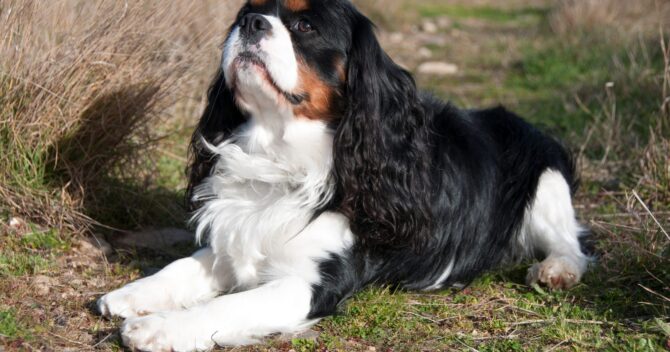
The Cavalier King Charles Spaniel is a breed of dog with an aristocratic pedigree, dating back to the Renaissance. The breed is named after the English King Charles II. He was a great lover of these little spaniels and was often seen in their company. The King loved his dogs so much that they accompanied him almost everywhere - both in the palace and at official ceremonies. Legend has it that the law allowed these dogs to be in any public place, even the Houses of Parliament.
The ancestors of the Cavalier King were popular court dogs since the 16th century, especially among the English and French aristocracy. Their task was not only to entertain the aristocrats, but also to keep them warm on cold days and to repel insects. The presence of Cavaliers in numerous paintings by masters such as Van Dyck and Gainsborough testifies to their importance in the lives of the nobility of that time. In the 18th century, the fashion for dogs with shorter snouts influenced the appearance of this breed. This led to the creation of a closely related breed - the King Charles Spaniel, also known as the "toy spaniel". Over time, the original spaniels with longer snouts almost disappeared.
Here are the suggested sizes for adult dogs of this breed. They were selected on the basis of many years of experience in sewing accessories and the most common choices of other dog owners of this breed. Remember, only measuring will give you 100% certainty - every dog is different.
In the 20s, British breed enthusiast Roswell Eldridge set out to revive the old type of dog seen in royal portraits. His efforts were successful, and the modern Cavalier King Charles Spaniel was born. It was officially recognized by the British Kennel Club in 1945. Today, the Cavalier King Charles Spaniel impresses with its friendly nature, intelligence, and elegant appearance. It is valued both as a family dog and as a companion for the elderly. This breed has not only stood the test of time, but remains a symbol of royal grace and loyalty.

Cavalier king is a small dog with fine hair, beautiful dark eyes and long ears. Cynologists say that the cavalier is a miniature spaniel. According to the official breed standard - FCI No. 136, an adult Cavalier King Charles Spaniel should weigh between 5,9 and 8,2 kg. This reference weight applies to both males and females. The ideal size of an adult cavalier, measured at its withers, is between 30 and 33 cm.
The silhouette of dogs of this breed is typical for a group of spaniels. They are characterized by a compact and muscular build and exceptionally long hair on the ears. Cavaliers are famous for their extraordinary beauty. They have large, very dark eyes and smooth, abundant, slightly wavy hair. The cavalier breed standard does not allow too large curls. This dog may only have tassels on the ears and the so-called feathers on all feet and tail. These features contribute to the high popularity of the breed. Cavalier king can come in several colors: black and tan, tricolor, blenheim (white-red) and ruby. The most popular are tricolor and black males, and these are the most common ones in breeding farms.
Dogs from the Cavalier King Charles Spaniel family are cheerful, very loyal, devoted and obedient to their owner. They do not show dominant or aggressive traits. They radiate a cheerful disposition, trust and a friendly attitude to the environment. All these features make them ideal dogs for the whole family. They have difficulty tolerating loneliness and need close contact with household members. When the owner spends a lot of time away from home, he should provide his pet with company. A companion of the same breed or another animal will work well.
Cavaliers, like other spaniels, require a lot of exercise. They are lively and in order to discharge excess energy, it is worth organizing various forms of play for them. Dogs of this breed have great ease in adapting to new conditions. They will happily accompany us on a journey and will be happy with any activity, both on a leash and without it. During the day, they lead both energetic and calm lives. When walking with their owner, they are full of energy, and when at home, they like to lie in an armchair. Cavaliers are not noisy dogs, but like every representative of this species, they show a defensive instinct, protecting their territory.

The Cavalier King Charles Spaniel is basically a hunting dog and it has played such a role in the past. During bird hunts, these little spaniels were used for hunting and retrieving. Their impressive appearance, gentle character and friendly disposition made cavaliers the pets of the aristocracy. Later they moved to salons where they acted as companion dogs. It has remained so to this day, but the hunting instinct has remained.
Dogs of this breed are excellent at various sports activities. They are good at agility and can easily be trained in obedience and dancing. Cavaliers are ideal for dog therapy with disabled children. They can also be used as visiting dogs in hospitals or nursing homes.
It should be emphasized that this breed has a very sensitive psyche and does not tolerate explosive behavior of the owner and shouting of household members. Experts indicate that the Cavalier is best trained using positive reinforcement, maintaining consistency and patience. Although this dog is submissive by nature, too much leniency from the owner will be quickly exploited by the Cavalier. It is recommended to lead a young dog on a leash, especially in busy places. A young Cavalier may turn out to be an unruly individualist or, when frightened, may run away and not react to the owner's call.

Cavalier requires systematic care, although it is not too difficult. Although the dog of this breed loses its hair all year round, it can be easily removed because it is delicate and soft. The pet should be combed at least once a week with a box brush or metal comb. The hair on the ears and groin, where it can form tangles, should be especially taken care of. We comb them gently, parting the hair with your fingers. After a walk in the forest, in fields or meadows, we should remove the troublesome turnips, sticks and seeds from the garment of our four-legged friend.
Cavalier King Charles Spaniels should be bathed rarely and only in shampoos designed for dogs with long and delicate hair. You can also use a special conditioner and balm for this purpose. After bathing, gently dry the dog's coat with a towel, assisted by a stream of warm air from a dryer. At the same time, comb the coat in the direction of hair growth.
The Cavalier King Charles Spaniel is greedy and has a predisposition to obesity. For this reason, he should be given measured portions of meals at certain times of the day. The most advisable form of feeding a dog of this breed is the use of ready-made dry food. Of course, it is more attractive for our pet to feed him with wet food, but it is less popular among the owners of this breed. Both forms of nutrition can be used, but with the appropriate composition of meals. As cavalier king is lively and active, its menu should contain more protein, especially during the growing season. An older and less active dog requires less protein and fat, so consider this when choosing a food.
You can also decide on the so-called BARF diet (raw meat, offal with added vegetables), which, according to its supporters, optimally meets the needs of dogs. In addition, it should be taken into account that each type of diet requires supplementation of vitamins and microelements, adequately to the age, health and activity of the pet.
The Cavalier King Charles Spaniel is considered to be a fairly hardy and long-lived breed. On average, individuals of this breed live for about 12-14 years. This is a breed of dog with an exceptional temperament and appearance, but unfortunately it is prone to a number of serious health problems. Heart and eye diseases are quite common in Cavaliers.
One of the most common diseases that affect these dogs is mitral valve disease (MVD). This heart condition is one of the most common problems for Cavaliers, manifesting itself with coughing, shortness of breath, rapid fatigue, and even fainting. The disease consists of degeneration of the mitral valve, which leads to heart failure. Treatment consists of administering drugs that strengthen the heart, reduce the load on the heart muscle, and regulate blood pressure. An important element of prevention is regular heart examinations, especially auscultation and echocardiography from the age of 2.
Other serious conditions that may affect Cavalier King Charles Spaniels include syringomyelia and episodic falling (EFS). Syringomyelia leads to impaired cerebrospinal fluid flow and increased intracranial pressure, which manifests itself with a variety of neurological symptoms. Episodic falling manifests itself in attacks that may include loss of balance, convulsions and stiffness of the limbs. These attacks are often triggered by stress, excitement or intense physical exertion, but they can also occur without any clear stimuli. Prevention consists of imaging tests (MRI) and responsible breeding, which eliminates dogs predisposed to this disease. Treatment includes the administration of painkillers and anti-inflammatories, but in severe cases surgery is necessary. For this reason, people considering adopting or buying a Cavalier King Charles Spaniel should be aware of potential health problems and consult a veterinarian regularly to monitor the health of their pet.
Cavaliers are prone to eye injuries and inflammation. The shallow set of the eyeballs increases the risk of these ailments, and genetic predispositions compound the problem. This breed can suffer from conditions such as double rows of eyelashes, dry corneas, retinal dysplasia, cataracts, and inflammation of the cornea and conjunctiva. Symptoms include clouding of the lens, tearing, redness of the eyes, and squinting. Cataracts are treated surgically, while dry corneas require the use of moisturizing and anti-inflammatory drops. Prevention includes regular visits to an ophthalmologist and eye hygiene.
Although the Cavalier is not a typical brachycephalic breed, their skulls may have features that predispose them to respiratory problems. This is manifested by snoring, difficulty breathing, and rapid fatigue during exertion. Treatment involves surgical intervention in the case of severe respiratory difficulties. As a preventive measure, you should avoid overheating the dog and provide it with moderate exercise.

Regular visits to the vet are essential for maintaining the health of your Cavalier. Regular check-ups can help detect illnesses early and treat them effectively. Heart, eye, joint and spine check-ups allow you to monitor your dog's health and respond appropriately if necessary. Careful care and prevention are the best way to ensure that every pet lives a long and happy life.

The Cavapoo is a charming cross between the Cavalier King Charles Spaniel and the Poodle, which is becoming increasingly popular around the world. This small dog combines the intelligence and low-shedding coat of the Poodle with the gentle, friendly nature of the Cavalier. The Cavapoo is perfect as a family dog, a companion for children and the elderly, delighting with its appearance, energy and loyalty.

Border collie is a breed that belongs to the group of herding dogs. He is considered one of the most intelligent dogs. He has unlimited amounts of energy, great temperament and a happy disposition. He is perceptive, quick-witted and tireless.

Dog insurance is a form of financial protection. It allows pet owners to minimize expenses related to unexpected costs of treatment, surgery or rehabilitation. Growing awareness among animal carers means that more and more people see the importance of such protection. At the same time, they understand how significant the expenditure on veterinary care can be. That is why it is worth considering buying a policy. Thanks to it, we will not only provide ourselves with peace of mind, but also avoid burdening the household budget in difficult situations. In the rest of the article, we will discuss the step-by-step process of choosing and purchasing the right insurance, so that everyone can adjust it to their individual needs.