The Cavapoo is a charming cross between the Cavalier King Charles Spaniel and the Poodle, which is becoming increasingly popular around the world. This small dog combines the intelligence and low-shedding coat of the Poodle with the gentle, friendly nature of the Cavalier. The Cavapoo is perfect as a family dog, a companion for children and the elderly, delighting with its appearance, energy and loyalty.
The Cavapoo is a breed that was created relatively recently, but quickly gained popularity around the world. It is the result of crossing two highly valued breeds: the Cavalier King Charles Spaniel and the Miniature or Toy Poodle. The origins of the Cavapoo date back to the 90s, when these two breeds were first intentionally combined in Australia. Breeders wanted to obtain a dog that would combine the gentle and friendly disposition of the Cavalier with the intelligence of the Poodle.
The first cavapoos quickly gained recognition as excellent family and companion dogs. Breeders appreciated their versatility, as well as their ability to adapt to different environments. By crossing these two breeds, cavapoos inherited from the cavalier a great need for closeness to humans and a friendly, calm character. In turn, from the poodle they inherited intelligence, a willingness to learn and a coat that in most cases sheds minimally. This makes them attractive to people with mild allergies.
Over the years, the Cavapoo has gained popularity not only in Australia, but also in the UK, the US and many other countries. Although the breed is not officially recognised by the largest cynological organisations such as the FCI or AKC, it has gained a wide group of fans around the world. The Cavapoo has become a symbol of a friendly dog that is great in homes with children and with the elderly. This breed is constantly evolving, but its basic characteristics – sociability, sensitivity and adaptability – remain unchanged.
Breed description
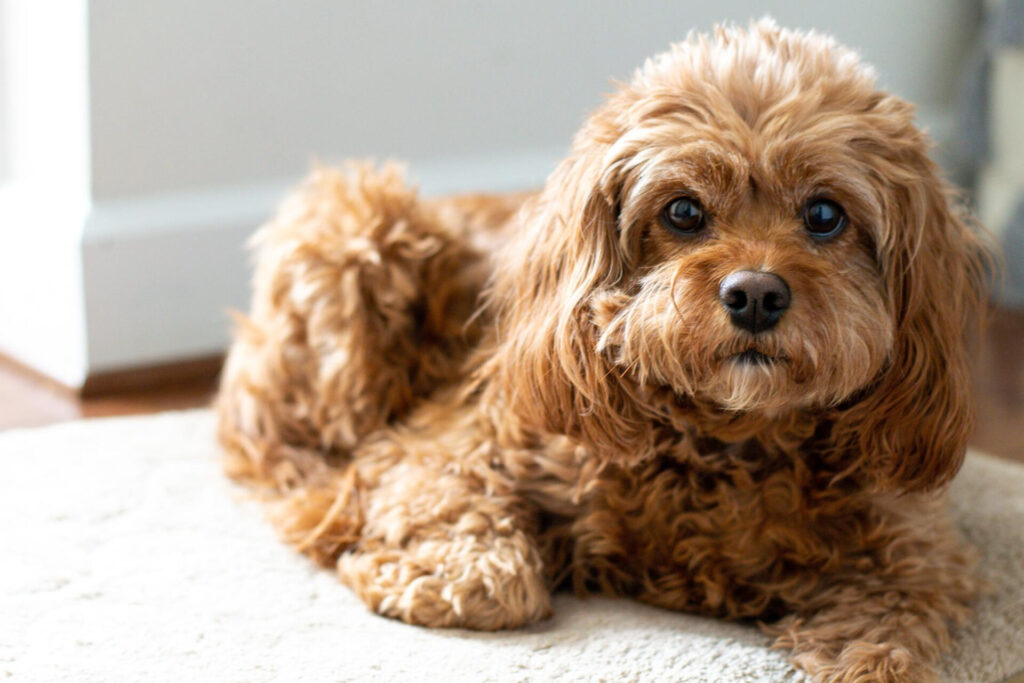
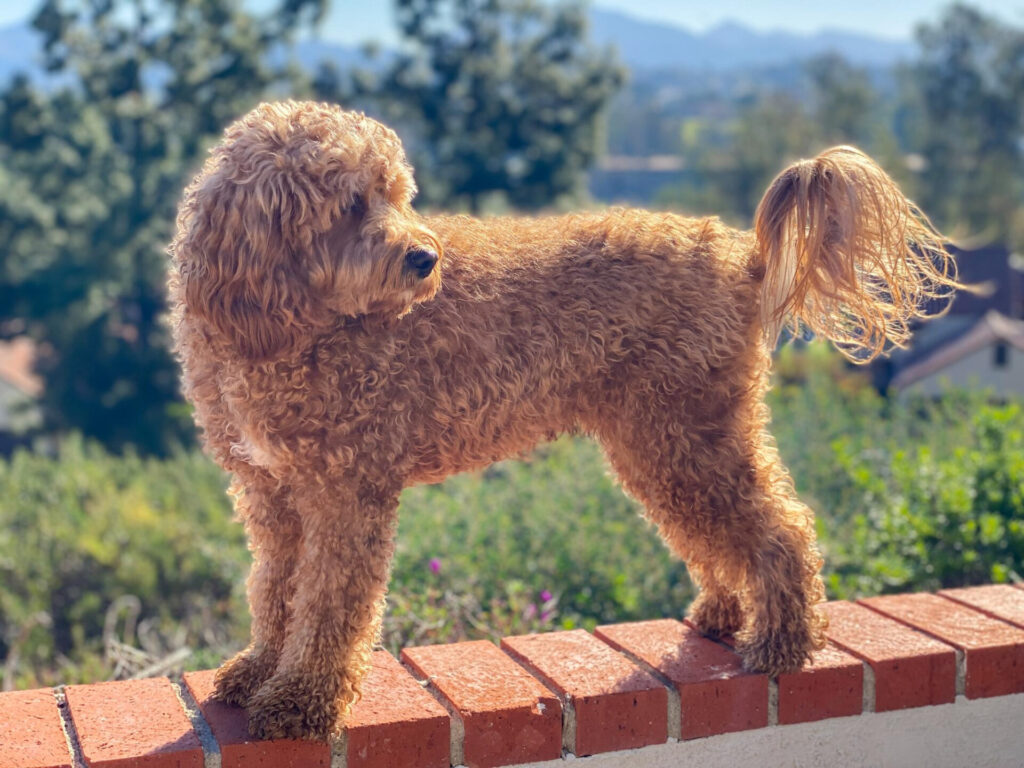
In terms of size, the Cavapoo is a small to medium-sized dog. Their height at the withers is usually between 25 and 38 cm, and their weight ranges from 5 to 12 kg, depending on whether the parent was a miniature or toy poodle. The body structure is proportionate, with well-muscled limbs that give them agility and elasticity in movement. The head of the Cavapoo is proportionate to the rest of the body, with delicate features inherited from the Cavalier. Their eyes are large, round and expressive, giving them a warm, friendly look. The ears are soft, of medium length and often fall along the sides of the head. The nose is usually dark and proportionate to the size of the muzzle.
Cavapoos usually have a balanced, slightly elongated body and a tail that is moderately long and often lifted happily when the dogs are on the move. Their paws are small but strong, which gives them agility and endurance during play and walks.
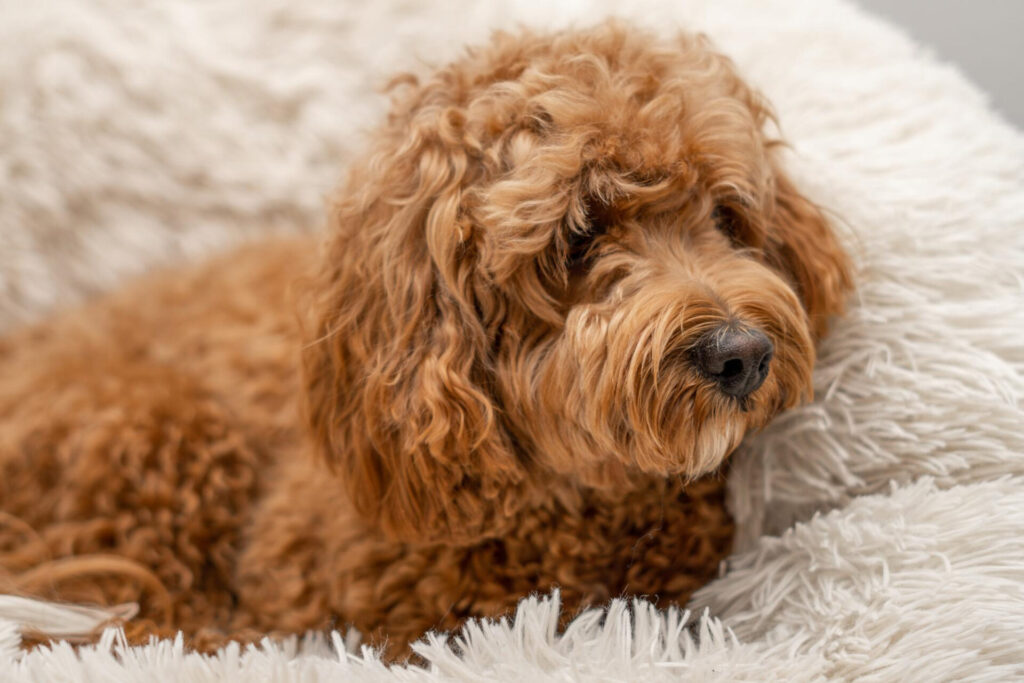
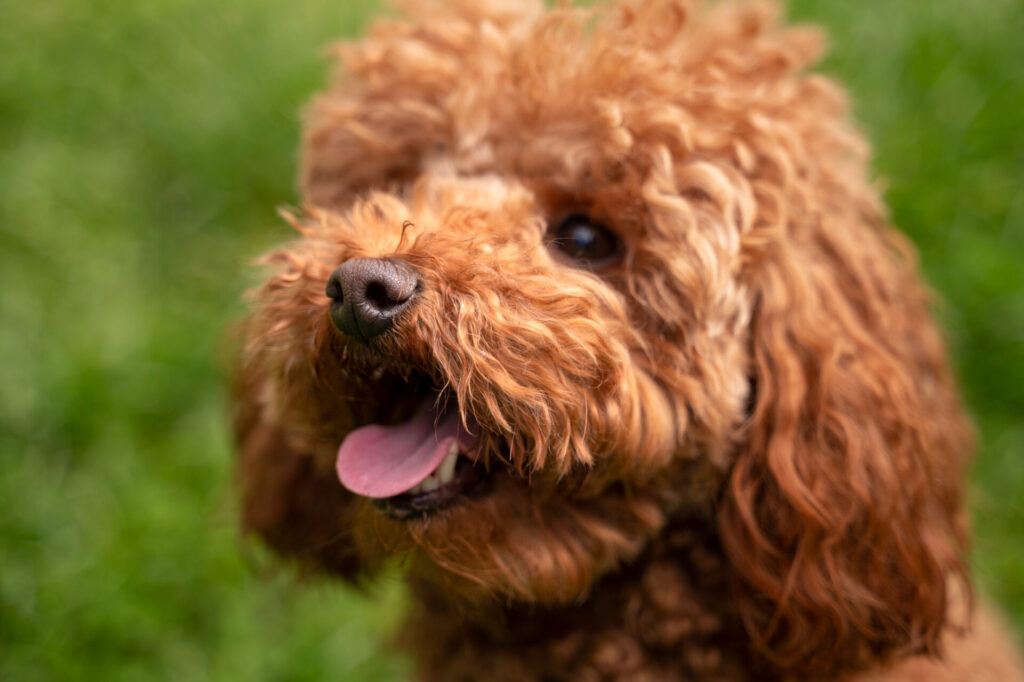
The coat of a Cavapoo is one of their most distinctive features. Thanks to their genetic heritage as a Poodle, Cavapoos often have a soft, wavy or curly coat that sheds minimally. The length of the coat can vary from medium to long, depending on the genes inherited from their parents. Owners appreciate this trait because it makes Cavapoos more suitable for people with mild allergies.
The coat color of the Cavapoo can be very diverse. The most common colors are: white, cream, gold, red, black, brown. Bicolor and tricolor coats are also common, which can combine white with other shades, such as black, gold or brown.
Character and temperament of the cavapoo
The Cavapoo is a dog with an exceptionally gentle and friendly disposition, which perfectly combines the characteristics of its ancestors. Thanks to this, the Cavapoo stands out for its intelligence, loyalty and a great need for closeness to humans. These are dogs with an extremely cheerful disposition, which quickly become full-fledged members of the family.
Cavapoos are known for their sociability and love for people. They love spending time with their owner and hate being alone. They are excellent companions for both the elderly, singles and families with children. Their gentle nature means that they rarely show aggression or anxiety in the presence of strangers. They are eager to make new friends, both with people and other dogs.
Thanks to their patience and gentleness, Cavapoos are great as dogs for families with children. They are gentle, patient, and usually do well playing with the little ones. Their energetic temperament makes them ready to play, but at the same time they can adapt to a more sedate lifestyle. However, interactions between a dog and small children should always be supervised to avoid accidental injuries to both the dog and the child.
Cavapoos are usually well-disposed to other animals. They can easily get along with other dogs and cats, especially if they have been properly socialized from a young age. Their gentle temperament and lack of dominant behavior mean that they rarely provoke conflicts. Their curiosity and friendly nature mean that they are eager to meet new animals and make friends with them quickly.
One of the most distinctive features of the Cavapoo is their intelligence, inherited from the Poodle. They learn new commands and tricks quickly, and training them is a pleasure for both the dog and the owner. They enjoy being engaged in various mental activities, such as games of finding treats, dog puzzles, or learning new skills. A lack of mental stimulation can lead to boredom and undesirable behaviors, such as barking or destroying objects.
Activity and behavior in different situations
Cavapoos are energetic, but do not require very intense physical activity. Daily walks, games, and short training sessions are more than enough to satisfy their exercise needs. They are flexible and can adjust their activity level to the lifestyle of their owner. They can enjoy both city and country life, provided they are provided with the right amount of exercise and attention.
Cavapoos cope well in various life situations. They are generally calm during car journeys, tolerate visits to the vet and are able to behave in public places. Thanks to their sociable nature, they do not cause major problems in contacts with strangers or new environments. In stressful situations, they often seek support from their owner, which emphasizes their attachment and need for closeness.
Care
One of the most important aspects of caring for a Cavapoo is grooming its coat. Thanks to its poodle genetic heritage, Cavapoos have a coat that sheds minimally, but is prone to tangling and knots. To avoid this, brush your dog 3-4 times a week with a long-toothed metal brush or comb. Regular brushing removes dead hair and prevents matted hair, especially around the ears, paws, and tail. Baths should be given every 4-6 weeks, or whenever your dog gets dirty. It is a good idea to use a gentle, moisturizing shampoo that does not irritate the skin. Trimming your Cavapoo every 6-8 weeks helps keep the coat in good condition and makes daily grooming easier.
The skin of a Cavapoo is delicate and can be prone to irritation and allergies. Regularly checking the skin while brushing will help you quickly spot any abnormalities, such as redness, spots, or dandruff. If the skin seems dry, it is worth using moisturizing shampoos.
Another important part of care is the claws. Cavapoos have relatively small paws, and claws that are too long can cause discomfort when walking. The claws should be trimmed every 3-4 weeks, using special dog clippers. If the dog walks a lot on hard surfaces, the claws can wear down naturally. It is also worth checking the pads of the paws regularly to make sure they are not cracked or irritated. If you notice dry skin on the pads, you can apply a moisturizing protective balm.
In addition, it is worth bearing in mind that dogs of this breed tend to accumulate tartar. Their teeth should be brushed 2-3 times a week with a special toothpaste and toothbrush for dogs. In addition to brushing, you can give them dental chews and chew toys that help to naturally rub away tartar.
Health
Cavapoos are generally healthy dogs, but they are predisposed to several health conditions.
Mitral valve disease
MVD is one of the most common heart conditions in Cavapoos. It is a degeneration of the mitral valve that does not close properly, leading to blood flowing back into the atrium of the heart. This problem is inherited from the Cavalier King Charles Spaniel, which is particularly susceptible to the condition.
Symptoms of the disease include a chronic cough, shortness of breath, fatigue during exercise, and, in advanced cases, fainting. Dogs may be reluctant to be active and may have difficulty breathing, especially when lying down. Treatment involves administering medications to support the heart and control blood pressure. Regular cardiology check-ups are essential to monitor the health of the heart and detect the disease early.
Gastrointestinal disorders
Cavapoos are prone to inflammatory diseases of the digestive system, which can affect both the upper and lower parts. Their uncontrollable desire to eat everything they come across, such as foil, stones or strings, leads to irritation of the mucous membrane and, consequently, to inflammation. Vomiting and diarrhea are the first symptoms that should arouse our concern. A hard belly and difficulty in defecation may indicate perforation or obstruction of the lower digestive tract. In such a case, you should contact your vet immediately.
Anal gland dysfunction
The anal glands in dogs are located right at the mouth and are filled with a fluid with an intense, unpleasant smell. During defecation, they are emptied, which reduces their volume. Sometimes, however, blockages, swelling of the anus and associated pain and itching may occur. Inflammation of the anal glands often manifests itself as so-called "sledging", i.e. the dog sliding on the ground.
Ear problems
Dogs of this breed often struggle with various ear diseases, which can affect their outer, middle and inner parts. Inflammation of the ear canal manifests itself with itching and burning, which causes the dog to scratch and shake its head. The ear becomes red, and the disease may be of allergic origin. It is crucial to regularly clean the dog's ears and check them for redness, rash and unpleasant odor.
Hip dysplasia
Hip dysplasia is a condition where the hip joint becomes malformed, leading to wear and tear, pain, and mobility issues. Cavapoos may inherit this condition from the Poodle, which is also prone to hip dysplasia.
The first symptoms can appear at a young age and include stiffness in the limbs, reluctance to move, and lameness. The dog may have difficulty standing up, and its gait may be abnormal, resembling "rabbit hopping." Treatment for dysplasia includes physical therapy, painkillers, anti-inflammatories, and joint support supplements. In severe cases, surgical intervention may be necessary. Prevention involves maintaining a healthy body weight and providing the dog with moderate physical activity.
Patellar dislocation
Patella luxation is an orthopedic problem that often affects small breeds of dogs, including the Cavapoo. It involves the kneecap moving out of its proper position. It can be a hereditary problem or the result of trauma.
Dogs with patella luxation often lift one paw when walking or hop on three legs. Symptoms may appear periodically, but the problem can worsen over time. Treatment depends on the severity of the condition – mild cases are treated with anti-inflammatory drugs and physiotherapy, while more serious cases require surgery. To prevent patella luxation, it is worth avoiding intense jumping and ensuring that your dog is physically active.
Eye problems
Cavapoos are prone to a variety of eye diseases, including cataracts and progressive retinal atrophy (PRA). Cataracts cause clouding of the lens, which leads to vision loss and, in advanced cases, blindness. Progressive retinal atrophy is a degenerative disease that gradually destroys the retina of the eye.
Symptoms of eye problems include clouding of the lens, excessive tearing, redness of the eyes, and problems with vision, especially in low light. Treatment for cataracts may require surgery, while there is no effective treatment for retinal atrophy. Regular eye examinations can help detect these conditions early and slow their progression through appropriate supplements and symptomatic treatment.
It is worth remembering that regular visits to the vet are the basis for taking care of the health of the cavapoo. Thanks to them, it is possible to detect problems early and provide appropriate prevention and treatment. Check-ups should take place at least once a year, and in the case of older dogs or those with existing health problems - even more often. During visits, in addition to vaccinations and protection against parasites, it is worth carrying out comprehensive tests, such as:
heart tests to monitor symptoms of mitral valve disease,
orthopedic examinations for joint dysplasia and patella luxation,
eye examinations to detect cataracts and other eye problems,
Blood tests to monitor general health.
Education
Raising a Cavapoo is relatively easy due to their intelligence and gentle nature. However, training requires patience, consistency, and a positive approach. Cavapoo training should be based solely on positive reinforcement. Rewards such as treats, praise, and toys are effective and help motivate the dog. Training sessions should be short and varied to keep the dog interested and prevent boredom. It is important to avoid shouting and physical punishment, which can lead to fear and distrust.
Early socialization of Cavapoos is crucial for their emotional development. It is worth familiarizing the dog with different situations, sounds, people and animals from the first months of life. Regular walks to different places, visits to friends and meetings with other dogs help build self-confidence and minimize the risk of anxiety and behavioral problems in the future.
Examples of training and games for cavapoo:
Basic commands: Learning commands such as “sit”, “stay”, “come” and “down” is the foundation of a dog’s obedience and safety.
Fetching: Cavapoos love playing fetch with balls or toys, which develop their fitness and concentration skills.
Smell games: Hiding treats and encouraging your dog to search for them engages the mind and develops natural olfactory instincts.
Interactive toys: Logic games and educational toys allow your cavapoo to develop intelligence and problem-solving skills.
Agility training: simple obstacle courses with tunnels, jumps or slalom are a great way to combine physical activity with obedience training.
Cavapoo and his diet
Proper nutrition for Cavapoos is extremely important for their health, energy and well-being. This small, active breed needs a balanced diet rich in nutrients. The best choice is a high-quality food adapted to small breeds, which provides the right amount of animal protein, healthy fats, vitamins and minerals.
Cavapoos should be fed 2-3 times a day to avoid digestive problems and control their weight. It is important to pay attention to portion sizes, adjusting them to the age, activity level and health needs of the dog. You can also include supplements in the diet, such as omega-3 fatty acids for a healthy coat and glucosamine for joint support.
You should avoid giving your dog table scraps, as some products, such as chocolate, onions, or grapes, are harmful to your dog. Also, make sure your Cavapoo always has access to fresh, clean water. With a proper diet, your dog will be healthy, full of energy, and happy.
Cavapoo – Summary
The Cavapoo is a charming, intelligent and sociable dog that will be a great addition to your family. It combines the gentleness of the Cavalier King Charles Spaniel with the intelligence of the Poodle, making it an easy-to-train and energetic companion. It requires regular grooming, moderate activity and closeness to its owner. If you dream of a dog that is warm, loyal and always ready to play together, the Cavapoo will be a great companion. Before you decide, think about whether you have enough time and commitment to meet its needs and provide it with a happy life.
Most frequently asked questions
Where does the Cavapoo breed come from?
The Cavapoo is a cross between the Cavalier King Charles Spaniel and the Poodle that originated in Australia in the 90s.
What does a cavapoo look like?
The Cavapoo is a small dog with a soft, wavy or curly coat, large, round eyes and a proportionate build. The weight is from 5 to 12 kg, and the height is from 25 to 38 cm.
Is Cavapoo suitable for apartments?
Yes, Cavapoos adapt very well to apartment living, provided they are provided with adequate exercise and attention.
Does Cavapoo get along well with children?
Cavapoos are gentle, patient and friendly, which makes them great for living in families with children.
How long does a cavapoo live?
Cavapoos live an average of 12–15 years, but require regular vet visits and health care.
Border collie is a breed that belongs to the group of herding dogs. He is considered one of the most intelligent dogs. He has unlimited amounts of energy, great temperament and a happy disposition. He is perceptive, quick-witted and tireless.
Dog insurance is a form of financial protection. It allows pet owners to minimize expenses related to unexpected costs of treatment, surgery or rehabilitation. Growing awareness among animal carers means that more and more people see the importance of such protection. At the same time, they understand how significant the expenditure on veterinary care can be. That is why it is worth considering buying a policy. Thanks to it, we will not only provide ourselves with peace of mind, but also avoid burdening the household budget in difficult situations. In the rest of the article, we will discuss the step-by-step process of choosing and purchasing the right insurance, so that everyone can adjust it to their individual needs.
The Wolfspitz, also known as the Keeshond, is one of the largest spitz breeds. It is valued not only for its striking appearance, but also for its sharp mind, energy and loyalty to loved ones. It comes from Europe, and its roots go back to Holland and Germany, where it was a guard dog and a companion on shoulders. Its lush fur, sharp gaze and cheerful disposition make it unique and easily recognizable.