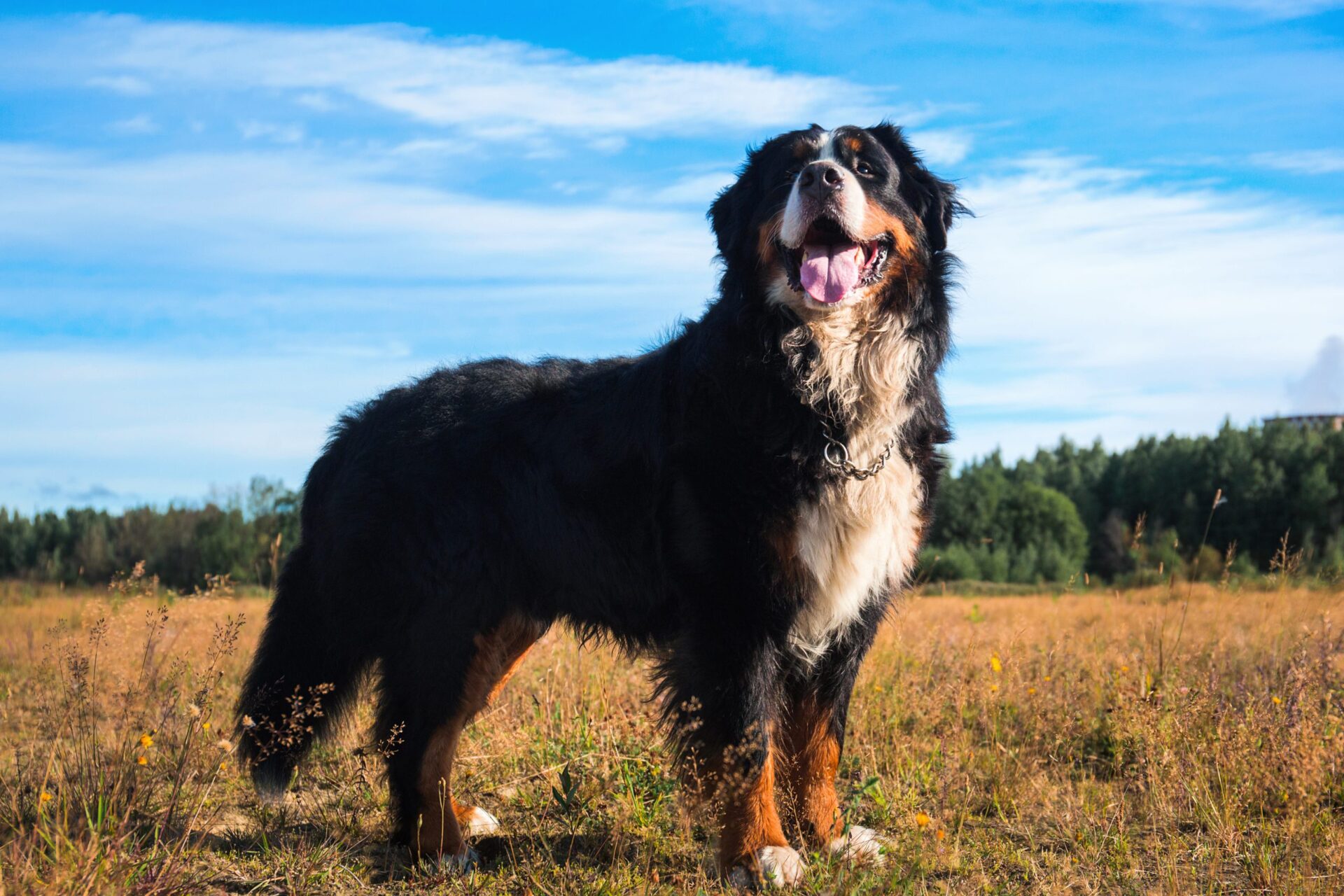
The Scottish Setter is distinguished by exceptional elegance and innate pride. It captivates not only with its majestic appearance but also with its calm nature and extraordinary loyalty to its owner. On the one hand, it is full of energy and a love of outdoor activities, but on the other, it is characterized by gentleness and composure in everyday situations. It is this extraordinary balance between its hunting passion and its affectionate nature that makes the Scottish Setter a dog that captures the hearts of many.
The Scottish Setter originated in northern Scotland. The first pointing dogs appeared there as early as the 17th century, but it wasn't until the 19th century that deliberate breeding began. The greatest influence on the breed's development was exerted by Prince Gordon Alexander IV, who carefully selected the dogs at his estate, Gordon Castle. The Scottish Setter owes its nickname, Gordon, to him. The dogs from his breeding kennel were distinguished by their endurance, passion for hunting, and willingness to cooperate with their handlers. They quickly gained recognition among Scottish game hunters. Their task required not only an excellent nose but also the ability to quickly pinpoint game in challenging terrain.
The breed gradually evolved, acquiring a more uniform appearance and character. With the development of cynology, the Scottish Setter began competing in dog shows and building its reputation beyond Scotland's borders. By the second half of the 19th century, it had spread throughout England and the United States. This contributed to the development of breeding lines differing in proportions and work rate. Despite these differences, the dog's original working character was retained. In 1963, the breed was officially recognized by the Fédération Cynologique Internationale (FCI) and placed in Group Seven, which includes pointing dogs.
Appearance and physical characteristics
The modern Scottish Setter combines elegance with the tradition of Scottish hunting dogs. It is a medium-sized breed with a harmonious build and a dignified appearance. Males reach a shoulder height of 62-67 cm, while females reach 58-62 cm. Adults generally weigh between 26-34 kg. Despite its pronounced musculature, it retains a light and fluid gait.
The head is long with a pronounced stop and a straight nasal bridge. The eyes are dark brown and slightly oval in shape. The ears are set low, close to the head, and covered with silky fur. The neck is strong, slightly arched, and the back remains straight and firm. The chest is deep and well developed. The tail, carried horizontally or slightly below the back, tapers to a tip and moves energetically when active.
The Scottish Setter's coat is medium length, dense, and silky to the touch. It forms distinctive feathering on the ears, chest, belly, back of the legs, and tail. The coat is uniform throughout the breed, i.e., black and tan. Tan markings are a rich chestnut brown and occur on the muzzle, legs, chest, and under the tail. A small spot on the chest is also permitted.
Character and temperament
The Scottish Setter is a well-balanced, cheerful dog, very attached to its owner. It forms a strong bond with its family and dislikes loneliness. It thrives when close to people. It is a sensitive dog, requiring attention and emotional contact. It is excellent at reading people's intentions and responding to the tone of voice and mood of the household. It does not tolerate shouting or a stressful atmosphere well.
Despite his calm disposition, he's not exactly a couch potato. His hunting instincts are still present. He has a strong need for exercise and physical activity. He especially enjoys long walks in varied terrain, running, and activities that engage his sense of smell. In everyday life, he remains calm and doesn't show excessive impulsiveness.
He gets along well with other dogs. He may require early socialization with cats, as his natural instincts can lead him to treat small animals as prey. He is very patient and gentle with children. He enjoys play but is not pushy.
Care
Grooming a Scottish Setter requires consistency, but it's not overly complicated. The coat requires the most attention, as it's silky, dense, and prone to mats (especially around the belly, groin, and behind the ears). Regular brushing, at least three times a week, helps maintain its good condition and natural shine. During shedding seasons, it's worth increasing the frequency of grooming, as the dead undercoat traps air against the skin and can lead to irritation. Poodle brushes and metal combs, which reach the deeper layers of the coat, are useful.
A full trim isn't necessary, but light trimming around the ears, tail, and paws helps maintain a well-groomed appearance. Bathing should be done as needed using shampoos designed for long-haired dogs.
Skin, claw, and dental care are equally important. Scottish Setters often wear down their claws during physical activity, but it's worth checking them every 3-4 weeks and trimming them if necessary. Ears require regular care, as their structure favors moisture retention and bacterial growth. They should be checked at least once a week and gentle cleansing products designed for dogs should be used. Eyes should be washed with a soft, moistened gauze to remove natural discharge. Regular toothbrushing or the use of chew toys is also recommended to reduce tartar buildup.
Health
The Scottish Setter is considered a healthy and hardy dog, having been bred to be a versatile hunting dog. Individuals of this breed can live from 10 to 14 years, provided their health is well-maintained. However, the Gordon Setter is susceptible to certain illnesses and injuries. Here are some health issues that Scottish Setter owners should pay particular attention to.
Hip dysplasia
A disease characterized by abnormal hip joint structure, leading to pain and lameness. This condition is genetic in nature and is also influenced by other factors, such as the puppy's diet and the amount of exercise it receives. Symptoms of hip dysplasia most often become apparent in dogs between 6 and 12 months of age. Pharmacological treatment includes anti-inflammatory medications, and in more severe cases, surgery is necessary. Prevention includes maintaining a healthy body weight and avoiding excessive exercise in young dogs.
Eye diseases
Most often, the Scottish Setter suffers from progressive retinal atrophy and cataracts.
In the first case, this disease leads to vision impairment and, over time, blindness. It develops slowly. In the initial stages, symptoms include difficulty seeing at night or, for example, the dog stumbling over objects. The first alarming symptoms detected in puppies can be treated, provided immediate veterinary consultation is sought. Treatment depends on the stage of the disease. Sometimes, it may be necessary to simply rinse the pet's eyes with special eye drops, other times administer medication, and in some cases, even surgery.
Cataracts, on the other hand, manifest as a clouding of the eye lens, limiting vision. In advanced stages, treatment is only possible surgically. Prevention involves regular ophthalmological checkups, especially after the dog's 6th birthday.
Gastric dilatation and volvulus
This serious, life-threatening condition manifests itself through bloating, unsuccessful attempts at vomiting, and restlessness in the dog. Prompt surgical intervention is required. Prevention includes feeding meals in two or three portions and avoiding strenuous exercise after feeding.
Atopic dermatitis
It is one of the most common dermatological conditions that can also affect Scottish Setters. Atopic dermatitis results from the body's hypersensitivity to certain allergens. Symptoms first appear in young dogs (around 6 months old) and older. Initially, it's seasonal, but as the dog ages, it can persist year-round. Skin lesions most often manifest as significant redness in various areas – the face, armpits, groin, and interdigital spaces. Diagnosis of atopy is based on a detailed interview and allergy testing. Treatment depends on the cause and may include an elimination diet or pharmacological therapy. Prevention involves a balanced diet and maintaining good skin hygiene.
Hypothyroidism
It's a hormonal disorder, whose symptoms include apathy, weight gain, or a reluctance to engage in any activity. Furthermore, the Setter's hair may fall out and become greasy and dull. Treatment involves hormone administration. Regular blood tests can detect the disorder at an early stage.
The importance of preventive care and veterinary care
Regular health checkups are a key element of Scottish Setter care. A minimum of two visits per year allow you to monitor your dog's condition and detect the first signs of problems before they escalate. Preventative joint examinations during the growing period, eye tests, thyroid diagnostics, and ongoing attention to a healthy weight and body condition are also important. A responsible owner should build a good relationship with their veterinarian and treat preventative care as a fundamental element of their pet's care.
Training and socialization
The Scottish Setter is an intelligent, gentle, and cooperative dog, but it requires the right approach. It has a sensitive nature and doesn't respond well to pressure or harsh methods. It develops its potential best when training is based on consistent, positive reinforcement. It can perfectly read human gestures and facial expressions, so training based on non-verbal communication is very effective. Training should proceed at a leisurely pace, without rushing, and training should be varied. Monotony weakens interest and slows learning. Short sessions lasting 10-15 minutes, several times a day, yield better results than long, tiring exercises. Utility commands, obedience training, and scent training are excellent. Due to its hunting background, the Scottish Setter needs tasks that engage its natural predispositions. Tracking training, games like searching for hidden objects, or scent trails are a source of satisfaction for it.
Socialization from the first months of life is crucial to the development of a Scottish Setter. Puppies should gradually become accustomed to various sounds, smells, spaces, people, and other animals. This will help your puppy become emotionally stable and confident in adulthood. When conducting training and socialization, it's always worth remembering that your four-legged friend needs a balance between physical activity and rest.
Nutrition
Proper nutrition for Scottish Setters is crucial for their condition, immunity, and joint health. This active dog requires a diet that provides energy and high-quality animal protein. Premium or holistic foods based on meat as the main ingredient are best. Balanced homemade or BARF diets are also a good option, but they require consultation with a pet nutritionist and appropriate supplementation.
A Scottish Setter's diet should be rich in omega-3 and omega-6 fatty acids, which support heart function and healthy skin and coat. Glucosamine and chondroitin are also recommended, as they support joint health. Low-quality foods, those full of grains, and artificial fillers should be avoided, as they can cause allergies and digestive issues.
Scottish Setter nutrition should be tailored to your pet's age, activity level, and overall health. Puppies need food that supports healthy bone and muscle development, divided into four servings (6-12 weeks) and three servings (3-6 months). Adult dogs need two meals a day, while working or very active dogs need three servings. It's important to maintain consistent feeding times and avoid intense exercise immediately after eating.
The Scottish Setter as a Family Member
The Scottish Setter delights with elegance and calm. He combines a zeal for work with gentleness and devotion to his loved ones. In everyday life, he is a sensitive friend who understands the emotions of his family and forms a strong bond with them. His patience and balanced nature make him a great companion for people of all ages. He thrives in a home where the daily routine includes physical activity, outdoor challenges, and peaceful rest after shared activities. In the right hands, he becomes a wonderful friend and everyday partner.
The Scottish Setter is an excellent example of a family dog with a noble character and a disposition geared toward a close relationship with its humans. Anyone who can combine an active lifestyle with the warmth of a home will find in it a true friend, loyal in heart, elegant in movement, and always ready for the next shared adventure.
Most frequently asked questions
Where does the Scottish Setter breed come from?
The Scottish Setter originates from northern Scotland. The breed was created in the 19th century by the Duke of Gordon. Its purpose was to guide game birds through difficult terrain.
What does a Scottish Setter look like?
The Scottish Setter is a medium-sized dog with a harmonious build. It has a black coat with tan markings and a feathered tail. Its gaze is gentle, and its movements are fluid and elegant.
Is a Scottish Setter suitable for apartments?
They can live in an apartment, but require physical activity. They need daily walks and nose challenges. They do best in a house with a garden.
Do Scottish Setters get along well with children?
Yes, the Scottish Setter is patient and gentle with children. He enjoys play, but isn't pushy. He needs closeness and a calm atmosphere.
How long does a Scottish Setter live?
The Scottish Setter has an average lifespan of 10 to 14 years. Good nutrition and preventative care extend its lifespan. Regular checkups help detect illnesses early.
The bull terrier is a muscular, dynamic dog with an original appearance, in which there is a volcano of energy and a huge will to play. Properly brought up and socialized from a puppy, it becomes a faithful, devoted and affectionate family friend.
The Landseer commands respect with its appearance alone, while also softening hearts with its gentle and friendly nature. It is large, strong, yet balanced, and incredibly devoted to its family. Its name comes from the English painter Sir Edwin Landseer, who immortalized dogs with their distinctive black and white coat in his paintings. Although often confused with the Newfoundland, it has a distinct history and characteristics that make it unique.
The Bernese Mountain Dog is one of the intelligent and very hardy quadrupeds. He is extremely emotional, he quickly becomes attached to all the household members. It is characterized by a calm, balanced and gentle character. He is patient and understanding with children. These qualities make it a great family companion.