How many knees does a dog have, or how are dog limbs constructed?
Before understanding exactly how many knees a dog has and where to find them, it's worth taking a look at how their limbs are generally structured. At first glance, it seems simple. A dog has four legs, and each one seems to function similarly. In reality, the front and hind limbs differ more than you might expect, with each part serving a different function.
The front paws act as natural shock absorbers. They absorb the greatest load when a dog jumps off a couch or lands after a jump. They allow the dog to move efficiently, stand steadily, control body movement, and perform precise movements. Instead of knees, dogs have shoulder, elbow, and carpal joints in their front paws. When a dog stands, its front leg bends not at the knee, but at the elbow, which is located approximately at chest level. Even lower down is the carpal joint, which many people incorrectly call the knee.
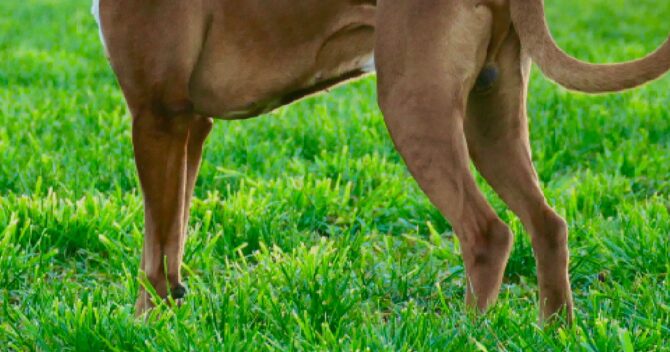
The hind legs have a different role. They allow the dog to develop high speed, provide power for jumps and rapid takeoffs, stabilize the body, and, like the forelimbs, provide shock absorption during landings. The dog's knee is located approximately halfway down the hind leg and is formed by the femur, tibia, and patella. It is supported by ligaments, including the cruciate ligaments, which stabilize the joint.
Above this is the femur (the longest bone in the hind limb), surrounded by powerful muscles responsible for powerful propulsion during running and jumping. Below the knee are the tibia and fibula. These bones also contain muscles and tendons that work together to straighten the limb. The ankle joint, located below, is similar to the human ankle, but positioned higher. It is primarily formed by the calcaneus and talus. This joint acts as a hinge, flexing and extending, providing power for propulsion.
How many knees does a dog have? – we explain clearly and specifically.
Many people think that dogs also have knees in the front, but this stems from a misunderstanding of their anatomy. Dogs have exactly two knees, one in each hind leg. The forelimbs do not have knees. This is the most important information, dispelling all doubts. When a dog stands, the knee lies behind the belly and is usually partially hidden by muscles and fur.
The knee (or, more precisely, the knee joint) works in one main direction, bending and straightening. This allows the dog to run, sit, stand, jump, and brake suddenly. It combines strength, precision, and flexibility. When all structures of the limb are healthy and working well together, the dog moves smoothly and painlessly.
Why don't dogs' front legs have knees?
Many dog owners believe their pets also have knees in the front. The reason is simple: when a dog bends its front paw, it looks similar to a human knee. However, a dog's anatomy is different. The forelimbs lack knees; they have the elbow joint (elbow) and wrist joint at the front. The elbow joint allows for flexion and extension of the paw. Lower down, closer to the paw, is the wrist joint, which is sometimes confused with the knee.
Why are knees only found in the hind legs? The forelimbs serve a different purpose than the hind legs. They primarily serve to cushion the body, absorb weight upon landing, and maintain balance. When a dog runs, it's the front of the body that bears the greatest load upon landing. Meanwhile, the hind legs act as the engine responsible for takeoff, acceleration, and jumping. Therefore, only there are knees, which work in conjunction with the hips and hocks to create an efficient propulsion system.
How many knees does a dog have and what problems can they face?
A dog's knee works with every step, jump, and sudden stop, making it one of the most stressed parts of the musculoskeletal system. When it malfunctions, a dog often lifts one hind leg, avoids running, or refuses to jump onto the couch. These signs may indicate that the knee is not functioning properly and needs help.
Below is a list of the most common knee diseases and injuries in dogs.
Anterior cruciate ligament rupture
This is one of the most common injuries that causes knee joint instability. The dog suddenly limps, has difficulty sitting, and stops using its paw, curling it up and taking weight off. Without treatment, swelling and pain develop in the joint. Surgery is usually necessary, followed by rehabilitation.
Patellar luxation (luxation)
This condition occurs when the kneecap (patella) dislocates from its groove in the knee, causing a temporary loss of stability. The condition most often affects one knee joint and typically affects small breeds of dogs, such as Yorkies, Maltese, or Pomeranians. The dog hops briefly on three legs before returning to a normal gait. The lameness can also develop into a continuous condition, with the dog positioning the limb abnormally, and pain and swelling of the knee. Exercises and supplements can help in milder cases, while surgery is necessary in more severe cases.
Degeneration of joints (osteoarthritis)
It's a chronic disease that leads to cartilage damage in the knee joint. The joint cartilage begins to wear down, making movement painful and stiffening the knee. The dog gets up slowly, is reluctant to run, and avoids stairs. The condition primarily affects senior dogs and large, rapidly growing breeds. Treatment involves pain reduction, cartilage support (supplementation), and a carefully selected diet.
Importantly, dogs' knees don't regenerate on their own like muscles. Therefore, if disturbing symptoms appear, a quick response and consultation with a specialist are crucial. The sooner the joint is relieved of pressure and appropriate treatment is initiated, the greater the chance that the dog will return to normal function and the knee will not suffer further damage.
How to care for your dog's knees?
A dog's knees work intensely with every step, jump, and change of direction, so they require special care. Maintaining a healthy body weight is crucial; excess weight significantly strains joints, increasing pressure on the knees with every step and accelerating their wear. Exercise should be regular but moderate. Long walks, swimming, and sniffing games are better than rapid jumps, running on slippery floors, or steep stairs. A diet rich in good protein, omega fatty acids, and joint-supporting ingredients (glucosamine, chondroitin, and EPA and DHA fatty acids) strengthens ligaments. It also supports cartilage regeneration, reduces inflammation, and promotes joint mobility.
At home, it's important to provide a stable surface, such as rugs and mats, to reduce the risk of slipping. And, without a doubt, even if your dog isn't limping, it's still worth getting basic checkups once or twice a year. Regular vet visits help detect the first signs of degeneration or overuse before pain or serious injury develops. These habits help keep your dog's knees strong for years to come.
Dog knee rehabilitation
After knee surgery or a serious injury, a dog doesn't recover immediately. The knee must heal, muscles rebuild, and the joint regain stability. Rehabilitation helps prevent stiffness, pain, and re-injury to the knee structures.
What is rehabilitation?
- Rest and movement restriction – The dog spends the first two weeks alone, often in a kennel or small space to avoid putting pressure on the joint. Short walks and manual therapy are recommended, but running, jumping, and playing are prohibited.
- Exercises under the supervision of a specialist – In the third week, the doctor or physiotherapist selects simple exercises that strengthen the thigh and buttock muscles.
- Hydrotherapy – in the next stage, walking on a water treadmill or swimming is introduced, which relieves the knees and at the same time forces the muscles to work.
- Massages, laser, ultrasound – It is recommended as an aid to reduce pain, improve blood circulation and aid healing.
Regular exercise and the caregiver's patience are crucial. Even the simplest exercises, such as three-legged standing or gentle squats, can help speed up recovery.
How Many Knees Does a Dog Have? A Quick Summary for the Caring Parent
A dog has two knees, located exclusively in its hind legs. These small, yet crucial joints are responsible for stability, running, jumping, and daily movement. When these begin to fail due to injury, breed predisposition, excess weight, or age, the dog may avoid activity and lose the joy of play.
Fortunately, the answer to the question of how many knees a dog has provides a clear indication. Since there are only two, and they bear such heavy load, it's worth taking care of them. A healthy diet, proper exercise, weight control, and regular vet visits can significantly prolong the life of knee joints. With these tips, a caring owner can ensure their pet's knees remain healthy for years to come, and every walk becomes a pleasure, not a chore.
Most frequently asked questions
- How many knees does a dog have?
A dog has two knees – one in each hind leg. The front legs do not have knees. The knees play a key role in a dog's movement.
- Why doesn't a dog have knees in front?
The forelimbs have different roles than the hind limbs. Instead of knees, they have elbows and wrists. Their role is shock absorption and stabilization.
- Where exactly is a dog's knee located?
A dog's knee is located halfway down the hind leg. It lies beneath the muscles, behind the belly. It consists of bones, the patella, and ligaments.
- What problems can affect a dog's knees?
The most common include ligament rupture, patellar luxation, and joint degeneration. Symptoms include lameness, pain, and reluctance to move.
- How to care for your dog's knees?
Maintaining a healthy weight, moderate exercise, and a proper diet are important. It's also worth taking supplements and having your veterinarian monitor joint health.
Maybe you'll like it: