The Flat Coated is a breed that combines elegance with a friendly temperament, intelligence, and an innate willingness to cooperate. Its cheerful appearance and constantly wagging tail make it hard to resist the unique charm of this quadruped.
The history of the flat coated retriever dates back to the 19th century. The breed was created by crossbreeding various hunting dogs, mainly Labrador retrievers, setters, Newfoundlands and water spaniels. The aim of breeding was to obtain a dog with an excellent sense of smell, endurance and the ability to retrieve game from difficult areas, such as swamps or rivers.
The first mentions of dogs resembling today's Flat Coated Retrievers appeared in the 60s. Sewalls Marner, a British breeder considered the father of the Flat Coated Retriever, played a key role in its creation. His meticulous selection and drive for perfection resulted in the creation of a retriever with exceptional hunting skills and a versatile character.
Suggested sizes and widths of accessories for this breed of dog:
At the end of the 1903th century, the breed gained great popularity among hunters and breeders of working dogs. The Flat-Coated Retriever was distinguished not only by excellent hunting skills, but also by intelligence and a gentle nature. These features made it a great companion both during hunting and at home. The breed quickly became popular at dog shows. In XNUMX, the Kennel Club in Great Britain officially recognized the Flat-Coated Retriever as a separate breed. At that time, these dogs were highly valued by the English aristocracy and hunters, who used them to hunt waterfowl.
Despite its huge popularity at the turn of the 60th and XNUMXth centuries, the Flat Coated Retriever almost died out after World War I. At that time, retrievers became more popular, as they were easier to breed and had a greater variety of uses. Thanks to the passion and determination of breeders, the Flat Coated Retriever population began to rebuild in the XNUMXs. The breed regained its popularity, especially among hunters and sports dog lovers. Today, the Flat Coated Retriever is a valued working dog, a great therapy and sports dog, but also an excellent family companion.
What does a flat coated retriever look like?
The Flat Coated Retriever is a dog with an elegant and harmonious silhouette, whose lightness and grace distinguish it from other retrievers. Its medium-sized, proportionally built body combines strength and agility. These qualities make it extremely agile both in the water and on land. Dogs of this breed reach a height at the withers of 56 to 61 cm, and their weight varies between 25 and 36 kg, depending on gender and build.
Its coat, which is one of the most characteristic features of the breed, is long, shiny and silky to the touch. It can be completely straight or slightly wavy, but always thick and close to the body. The hair is slightly longer on the ears, tail, chest and hindquarters. The Flat Coated Retriever comes in only two color variants - deep black and a liver shade of dark chocolate. Both colors are uniform, free of any spots or discolorations.
The head of the Flat Coated Retriever is long and noble, with a distinct but subtle stop that flows harmoniously into a straight, strong muzzle. The eyes are of medium size and usually have a warm, dark brown or hazel shade. The ears are set relatively low, hanging close to the head, covered with longer, silky hair. The nose is dark, wide and perfectly developed, which emphasizes the dog's excellent sense of smell, essential for hunting work.
The chest of the Flat Coated Retriever is deep but not excessively wide. Its legs are long, muscular and compact. The medium-length tail is carried level with the back and is almost constantly wagging happily, which only emphasizes the cheerful nature of the breed. The whole figure of the Flat Coated Retriever exudes grace and energy, and each step is springy and full of life.
Character and temperament
The Flat Coated Retriever is a dog with an extremely cheerful and friendly disposition. Its character is distinguished by its vigor, joy of life and great willingness to cooperate with humans. This is a breed that retains a youthful temperament until old age, often referred to as the "eternal puppy". Always full of energy and ready to play, it can cheer everyone up with its cheerful disposition.
This is a dog with an exceptionally gentle nature, which makes it an excellent family companion. It loves spending time with people and hates long periods of loneliness. Left alone for many hours, it can become restless and frustrated. Its cheerful disposition makes it unsuitable as a guard dog - it does not show aggression towards strangers, on the contrary, it often greets every guest with great enthusiasm.
When it comes to children, the Flat Coated Retriever is incredibly patient and gentle. His natural gentleness and playfulness make him great with even the youngest members of the family. He can adapt to the dynamics of the home, being careful with children but also eager to join in their games. However, it is important to remember that this is an energetic dog that, in its excitement, can accidentally knock over a small child. For this reason, it is always worth supervising their interactions.
The Flat-Coated Retriever also gets along great with other animals. It has no problem accepting cats and other pets, especially if it has grown up with them since puppyhood. It is a dog that is not prone to conflict.
Flat Coated Retriever Care
Despite its long, thick coat, the Flat Coated Retriever is not a particularly demanding dog in terms of care. However, regular care and hygiene are key to maintaining its aesthetic appearance.
Its coat is naturally shiny, silky and weather-resistant, but requires regular brushing. To avoid tangling and excessive shedding, the pet's coat should be brushed at least 2-3 times a week. This will keep it shiny and healthy, and dead hair will be removed. During periods of increased shedding, which occur in spring and autumn, brushing should be even more frequent, preferably daily. Brushes with medium-hard bristles or metal combs are best for grooming, as they effectively comb longer sections of fur (on the ears, tail and hind legs).
Flat coated retrievers do not require frequent bathing. Usually, washing them once every few months or when they get dirty, for example after playing in the mud, is enough. It is important to use mild shampoos designed for long-haired dogs. These products will not damage the natural structure of the coat and will not strip it of its protective layer of fat.
Special attention should be paid to the ears, which are prone to infections due to their structure and the longer hair around them. Regularly checking and cleaning the ears with special products will help avoid inflammation and the accumulation of wax.
You can't forget about paw care either. The claws of a flat coated retriever should be trimmed regularly if they don't wear down naturally during various activities. Oral hygiene is another important aspect of care. Regularly brushing teeth with a special toothpaste or giving dental chews helps prevent tartar build-up and maintain healthy gums.
Flat coated retriever health
The Flat-Coated Retriever is a generally healthy and hardy breed, but like any purebred dog, it may be susceptible to certain health conditions.
Hip and elbow dysplasia
It is a disease of the musculoskeletal system that leads to gradual degradation of the hip or elbow joint. It can cause pain, stiffness and limited mobility in the dog. Symptoms include difficulty getting up, reluctance to run and jump, stiffness after a long rest and limping. Treatment depends on the stage of the disease - in milder cases, joint support supplements, a diet rich in glucosamine and chondroitin and physiotherapy are used. In more severe cases, surgery may be necessary. Prevention includes monitoring the dog's body weight, avoiding excessive exercise during the growth period and regular orthopedic check-ups with a vet.
Cancers
The Flat-Coated Retriever is one of the breeds that is prone to developing cancer, especially histiocytic sarcoma. This is an aggressive form of cancer that affects soft tissue and internal organs. Symptoms can range from loss of appetite, fatigue, enlarged lymph nodes to lumps on the body. Cancers in this breed often develop quickly, so regular health checks are essential, including blood tests and abdominal ultrasound. Early detection increases the chances of successful treatment. If cancer is detected, surgery, chemotherapy or radiotherapy are used.
Eye problems (e.g. cataracts, entropion)
Cataracts cause clouding of the lens of the eye and gradual vision loss, while entropion (rolling of the eyelid) can cause irritation and infection of the cornea. Symptoms include cloudy eyes, squinting, frequent pawing of the face, and excessive tearing. Cataracts can be treated with surgery, while entropion requires surgical correction of the eyelid. Regular visits to the vet and eye exams can help detect these problems early.
Heart disease (e.g. dilated cardiomyopathy – DCM)
Dilated cardiomyopathy leads to weakening of the heart muscle and can result in heart failure. Symptoms include rapid fatigue, shortness of breath, cough, weakness and fainting. Regular heart examinations (auscultation, ECG, ultrasound) allow for early detection of the disease. In the case of diagnosis, medications are used to support the work of the heart, as well as diet control, avoiding excessive stress and intense physical exertion.
Gastric dilatation and volvulus (GDV)
This is an emergency condition in which the stomach twists, preventing the passage of gas and fluids, which can lead to shock and death if not treated immediately. Symptoms include sudden abdominal bloating, restlessness, drooling, belching without effect, difficulty breathing and weakness. Gastric torsion requires immediate life-saving surgery. To prevent it, feed your dog smaller portions several times a day, avoid vigorous activity immediately after eating and use bowls that slow down eating.
Regular visits to the vet
To keep your Flat Coated Retriever in good condition, it is recommended to:
Annual general check-ups – body weight control, joint condition assessment, heart auscultation.
Blood and urine tests – helpful in detecting kidney, liver or cancer diseases.
Regular orthopedic check-ups – especially in older dogs or those predisposed to dysplasia.
Cardiological and ophthalmological examinations – in middle-aged and older dogs.
Dental check-up – removal of dental tartar and prevention of periodontal disease.
Thanks to appropriate prevention and quick response to the first symptoms of health problems, you can significantly extend your dog's life and ensure the best possible quality of life.
Training
The Flat-Coated Retriever is an extremely intelligent dog that is eager to learn, but its training requires the right approach. Its cheerful, sometimes slightly playful nature means that, although it quickly learns new commands, it can also demonstrate a certain independence. Therefore, consistent and patient training based on positive reinforcement methods is crucial. Dogs of this breed respond perfectly to rewards in the form of treats, praise and play. This makes learning not only an obligation for them, but also a pleasure. Training based on pressure and coercion not only does not bring results, but is also completely inadvisable.
Training should be varied and engaging, as the Flat Coated Retriever gets bored quickly. Basic commands such as “sit”, “stay” or “come” should be taught in short but regular sessions. This breed loves to fetch, so training can be enriched with ball games or dummy games. In addition to standard obedience training, the Flat Coated Retriever is excellent in various sports activities, such as agility, obedience or dog trekking. Thanks to its intelligence and learning speed, it can take part in more advanced forms of training, such as rescue training.
Socialization
Early socialization plays an extremely important role in the development of the flat-coated retriever. First of all, it helps it grow into a confident and balanced dog. From the first weeks of life, the puppy should have the opportunity to meet new people, animals and different environments. Such experiences help it develop self-confidence and minimize the risk of behavioral problems in the future. Accustoming it to different sounds, traffic, other dogs and strangers makes the adult dog calm and well-integrated with the environment. The flat-coated retriever is naturally friendly, so socialization usually goes without major problems. However, it is worth spending time learning correct behaviors to avoid overexcitement or uncontrolled jumping on people.
Nutrition
The Flat Coated Retriever is a dog full of energy, so its diet should be well-balanced and adapted to the needs of the pet. The basis of nutrition is high-quality food, with an optimal dose of protein, fats and nutrients supporting the health of bones, joints and the condition of the coat. You can use both ready-made dry and wet food, as well as a BARF diet based on raw meat, vegetables and supplements. However, it is crucial that each of these diets is properly balanced and adapted to the needs of the dog.
The Flat Coated Retriever is prone to stomach torsion, which requires special attention to the way it is fed. To reduce the risk of this condition, meals should be divided into two or three smaller portions per day instead of one large one. After eating, avoid intense exercise to minimize the risk of digestive problems. It is also important to constantly provide fresh water, especially after intensive walks and training.
In addition, remember to adjust the diet to the age, general health, weight, and activity level of your dog. Puppies require more calories and nutrients to support growth. Older dogs may need a diet lower in fat. Regularly monitoring your dog's weight and condition can help prevent excess weight, which can put strain on joints and affect their health.
Flat coated retriever summary
The Flat Coated Retriever is a wonderful, energetic and joyful dog that stands out for its intelligence, friendly nature and constant enthusiasm. It is an excellent companion for active people and families who can devote enough time to it for walks, games and training together. Its gentle and friendly disposition means that it gets along great with children, other animals and strangers, but it is not suitable as a guard dog. It needs close contact with its owner and does not tolerate long-term loneliness, which is why it feels best in homes where someone is always present.
Due to its high energy level, it requires regular physical activity and mentally engaging activities, such as training, fetching, or cynological sports. Its care is not complicated, but it does require regularity. It is also important to remember about prevention and regular visits to the vet to prevent diseases to which it may be susceptible.
The Flat Coated Retriever is a dog that does best in an active family that is ready to devote a lot of attention and time to joint activities. With the right approach, it grows into a wonderful companion that works perfectly in various roles, including a joyful, faithful everyday friend.
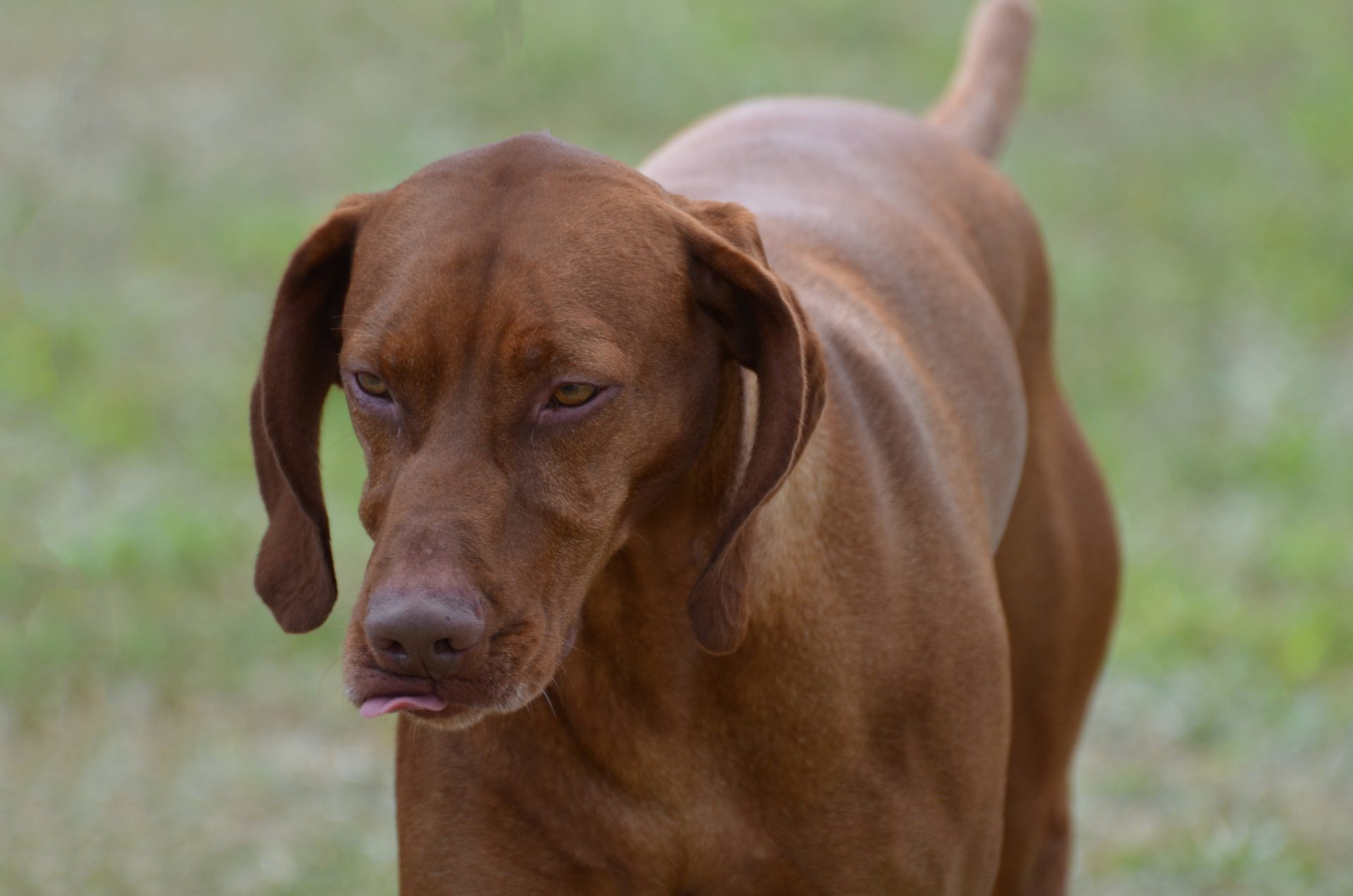
The Hungarian Vizsla is a majestic hunting dog that is distinguished by remarkable intelligence and energetic disposition. At the same time, he is a sensitive, quiet and gentle pet.
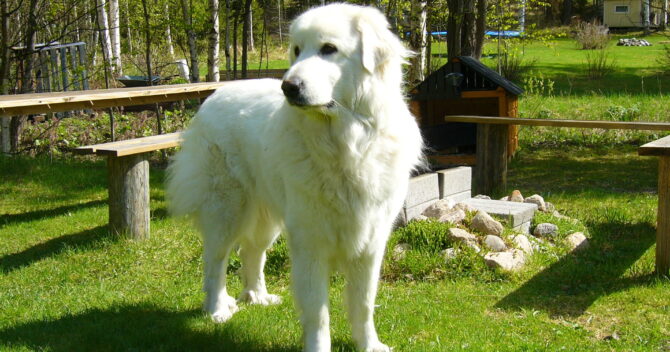
Imagine a dog that can look at you with gentle wisdom, yet command respect with its majestic appearance. The Great Pyrenees Mountain Dog is a living legend from the rugged peaks of the Pyrenees. It is not only the embodiment of strength and courage, but also of unmatched loyalty and calmness. This white giant with a heart full of love easily wins the sympathy of anyone who crosses its path.
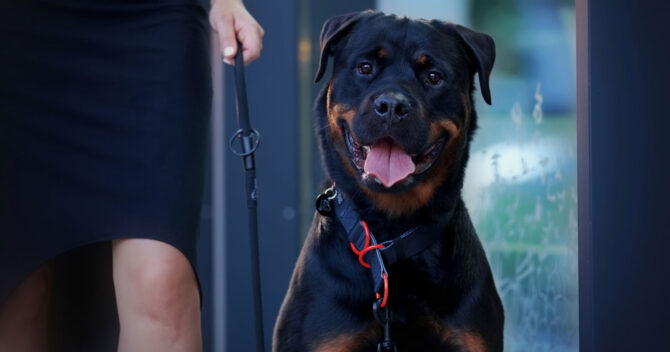
The Rottweiler is considered to be one of the oldest breeds, its history dates back to the Roman times of the conquests. Formerly, he helped to protect the herd and act as a watchman. Today he is a companion and protector of the family.