-15% on all HARNESSES | Delivery time up to 7 business days 🪡🚀
Boxer – a versatile companion
Boxer – a versatile companion
Date: May 29, 2024 (updated: November 25, 2024) Category: Blog, Dog breeds,
The boxer is known for his lively and cheerful disposition. But what really lies behind his captivating gaze? A sensitive and balanced family dog, an ambitious canine athlete or an incorruptible guardian? Without a doubt, this intelligent dog excels in many areas and is an extremely versatile four-legged companion.
The boxer achieved his current elegant image relatively recently. The roots of the breed can be found in medieval Bavaria. It was there that the following breeds of dogs were crossed: Danziger Bullenbeisser, Brabanter Bullenbeisser, Mastiff and English Bulldog. The breeders' activities were aimed at obtaining dogs suitable for large game hunting, as well as for dog fighting, which was very popular at that time. Until 1890, boxers were much larger and heavier than today. Their appearance was more similar to that of Great Danes.
In 1896, the Deutschen Boxerfreunde Club, i.e. the Boxer's Friends Club, was founded in Germany. His achievements include the introduction of strict selection of breeding animals. As a result of these targeted actions, the boxer gained a harmonious body structure and excellent mental characteristics. In 1904, a pedigree book for this breed was established. The first boxer standard was created in 1905, and since 1926 the breed has been included in the internationally recognized group of working dogs.
According to the FCI classification, boxers belong to group 2 - pinschers, schnauzers, molosses and Swiss cattle dogs, section 2.1 - molosses, mastiff type. The current standard places great emphasis on the overall, harmonious appearance of the boxer with all body parts proportionally matched.
Adult Boxer
Characteristics of the boxer breed
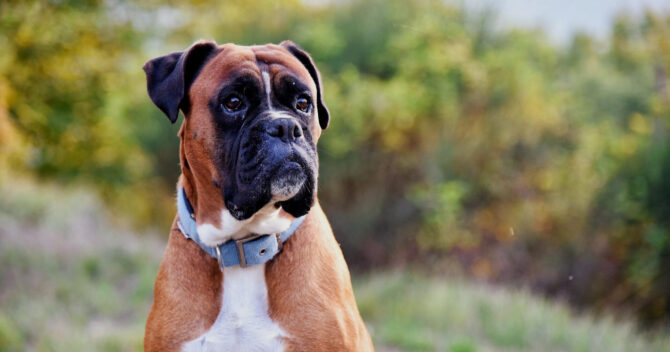
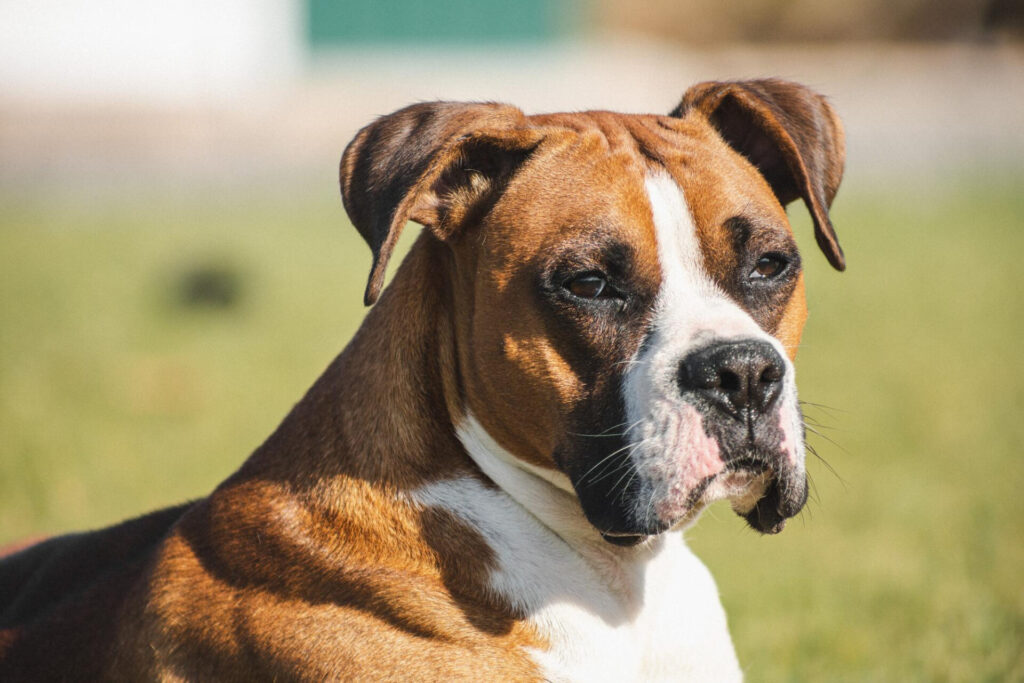
The Boxer is a medium-sized dog with a muscular, square body. The head, the size of which must maintain proper proportions to the body, gives the breed its characteristic appearance. A wide and strong muzzle is required, with a dark mask that clearly stands out from the color. When it comes to the head, the ratio of the muzzle to the skull cap is important. The nose should not be too short. It is desirable that its width be similar to the width of the skull cap. There are distinct folds on both sides of the nose. The slightly upward curved lower jaw is slightly longer than the upper jaw. Medium-sized eyes are dark. Wide-set ears point forward during intense attention or excitement, and when at rest they lie close to the cheeks.
The boxer's musculature is well developed, the limbs are straight and strong, and the movements are energetic and elegant. Females reach a height of 53 to 59 cm at the withers and a weight of 25 to 29 kg. The dimensions of males are 57–63 cm and the weight ranges from 27 to 32 kg.
The Boxer is characterized by short, close-fitting fur with hard and shiny hair. According to the breed standard, the following colors are allowed: yellow (in shades from light yellow through red-yellow to deer red) and brindle with clearly contrasting stripes running parallel to the ribs. White markings are currently unacceptable.
Boxer temperament
In the family circle, the boxer is affectionate, sociable and friendly, but towards strangers he is usually distant and very suspicious. He has a lively, cheerful manner. He likes to play, which makes him feel great in the company of children. He gets along well with other animals (dogs, cats), especially if he met them as a puppy and grew up with them.
The boxer is a great companion during various activities. He loves being outdoors and enjoys long walks. Over short distances, it briskly accompanies its caregiver while jogging, cycling, roller skating and other sports. The boxer is also great as a guard dog. He is brave, composed and behaves in a thoughtful way. In addition, he is alert and self-confident. Because it is intelligent, easy to train and has a naturally developed sense of smell, it is also predestined to be a service dog.
A young boxer
Boxer care
To remove dead hair, it is recommended to brush your Boxer's short and thick fur several times a week. You can also wipe the coat with a damp chamois, which gives the hair an intense shine. A glove with rubber protrusions is very helpful during shedding. Although a Boxer generally does not require frequent bathing, it is worth checking the condition of its skin and fur on a regular basis. To prevent infections, clean your ears and eye area regularly. Generally, an active boxer wears his claws sufficiently on his own. If this is not possible due to health or age, they should be shortened regularly.
Boxer's health
The German Boxer is generally a healthy and strong breed of dog. The average life expectancy of representatives of this breed is 10 to 12 years. However, there are genetic diseases and other health problems to which the breed is highly susceptible. These include the following problems.
Hip dysplasia
The disease involves abnormal development of the hip joint, which causes a loose connection between the head of the femur and the joint socket. Symptoms of the disease most often include difficulty getting up and moving, unsteady gait, pain and stiffness when moving. Treatment of hip dysplasia can be both conservative and surgical. In the case of conservative treatment, painkillers, dietary supplements supporting joints and regular physiotherapy exercises are used. In the case of surgical treatment, anatomical corrections are most often performed. Prevention of this disease includes, in particular, proper nutrition, maintaining appropriate body weight and avoiding excessive load on the joints. It is also important to regularly monitor the health of the joints through check-ups at the vet and the use of appropriate supplements to support the functioning of the joints.
Spondylosis
Degenerative disease of the spine, which causes degeneration of intervertebral discs and bone changes in the spine. Symptoms of the disease may lead to stiff neck, spine pain, difficulty moving, varus deformity in the hind limbs, difficulty getting up and walking, and even paralysis. Treatment of spondylosis in dogs involves the use of painkillers, anti-inflammatory drugs and drugs that help regenerate bone cartilage. In some cases, physiotherapy, manual therapy or surgery may also be necessary. To prevent spondylosis in dogs, you should ensure that your pet has a proper diet, provide it with the appropriate amount of physical activity and constantly monitor its weight. It is also important to avoid overloading the dog's spine by excluding jumping from heights and long-term walking on hard surfaces. Regular visits to the vet can also help detect possible degenerative changes in the spine early.
Skin allergies
Symptoms of skin allergy most often include: itching, redness, inflammation and peeling of the skin, as well as excessive seborrhea, rash, and ulcers. Treatment for this condition depends on the cause of the allergy. Pharmacological treatment is usually introduced using antihistamines, corticosteroids or creams that relieve itching. Additionally, causal treatment is recommended, i.e. elimination of allergens from the dog's environment, an elimination diet, special care treatments (e.g. baths with anti-itch shampoo) and antibacterial or antifungal drugs in the case of secondary infections. If you suspect your pet has a skin allergy, it is best to consult a veterinarian who can diagnose the cause of the allergy and recommend appropriate treatment.
Dilated cardiomyopathy
It is a heart disease characterized by enlargement of the heart chambers, which leads to weakening of the heart muscle. Symptoms of this disease may include fatigue, weakness, cough, shortness of breath, loss of appetite, weight loss, swelling of the abdomen and limbs, and arrhythmia. Treatment usually involves the use of drugs, including diuretics, which reduce the workload on the heart and improve the functioning of the heart. In some cases, surgical intervention may be necessary. To prevent the development of dilated cardiomyopathy in your dog, you should visit the vet regularly, maintain a proper diet, provide an appropriate amount of physical activity and avoid stressful situations. It's also a good idea to monitor your dog for any signs of heart disease and consult your vet immediately if they appear.
Tumors
Skin cancer in dogs can take many forms and symptoms. It usually presents as skin lesions, which may be nodules, sores, growths or pigmented lesions. Symptoms may also include itching, bleeding, tearing or behavioral changes.
Skin cancer
Treatment for skin cancer in dogs depends on the type and stage of the cancer. It may include surgical removal of the skin lesion, chemotherapy, radiotherapy or laser therapy. In some cases, supportive treatment in the form of painkillers or anti-inflammatory drugs is also necessary. Prevention of skin cancer in dogs involves, first of all, regularly checking the pet's skin for any changes and visiting a veterinarian for preventive examinations. It is also worth maintaining a proper diet, avoiding excessive exposure to sunlight and providing your dog with proper hygiene care to reduce the risk of skin infections.
Lymphatic neoplasms
Lymphatic tumors in dogs are malignant changes that develop in the lymphatic system. The most common type of lymphoid neoplasm in dogs is lymphoma, but other types of lymphoid neoplasms can also occur, such as lymphoblastic lymphocytosis, sarcoma and fibrosarcoma. Symptoms may vary depending on the type and severity of the disease,
the location of the cancer and the dog's general health condition. The treatment of lymphatic cancers depends on the same criteria. Possible treatment methods include chemotherapy, radiotherapy, surgery, immunotherapy and targeted therapy. To prevent lymphatic cancer in a dog, it is worth regularly checking the dog's health, avoiding risk factors such as toxic substances or excessive exposure to radiation, and ensuring the dog's proper diet and physical activity. If any suspicious symptoms occur, you should consult a veterinarian as soon as possible to diagnose the disease and start appropriate treatment.
Mast cell tumors
Canine mast cell tumors are rare tumors that develop in the dog's fatty tissues. Symptoms of mast cell tumors in dogs may include the appearance of a soft, mobile lump under the skin, a change in the dog's behavior, loss of appetite, itchy skin, skin sores, or unusual hair growth patterns. Treatment for mast cell tumors in dogs usually involves surgical removal of the tumor and, in some cases, chemotherapy. It is also possible to use painkillers or anti-inflammatory drugs to relieve symptoms. To prevent the development of mast cell tumors in dogs, regular veterinary examinations, a healthy diet and adequate physical activity for your dog are recommended. Exposure to toxic substances should also be avoided. If you notice any unusual changes in your four-legged companion, contact your vet immediately.
Boxer nutrition
The diet for a Boxer dog should be balanced and consist of high-quality food, rich in protein (about 20-30%), fats (about 15%) and nutrients. Please remember that the Boxer is an active and energetic dog that needs an adequate amount of calories to maintain its fitness. It is also worth taking care of important nutrients, such as vitamins, minerals, ingredients that have properties that prevent joint degeneration and support the regeneration of joint cartilage, as well as omega-3 and omega-6 fatty acids that support the health of the skin and coat. In addition, you should avoid giving excessive snacks so as not to make your pet overweight or obese. It is also important to consult a veterinarian to adapt the diet to the dog's individual needs, such as age, physical activity and possible health problems.
As you can see, this breed is well known for antics... :)
Training and upbringing of a boxer
A boxer develops best when surrounded by loved ones who take care of him on a daily basis and are involved in his upbringing. Its positive features are highlighted when the entire family (especially children) has a close bond with a four-legged friend. The Boxer is an extremely loyal and sociable dog breed. Every day, he does everything to protect his loved ones and spend as much time with them as possible. If we want our boxer to maintain good relationships with other animals and avoid violent fights and aggressive behavior in the future, it is important to focus on its socialization from the very beginning of raising the pet. In the same respect, it is important to take care of the mutual relationship between your four-legged companion and children.
The boxer is easy to train, likes to cooperate and is willing to obey, although you should wait until the dog feels comfortable at home and establishes bonds with the household before starting training. It is recommended to introduce training during the first 4 months of your pet's life. The greatest influence on proper behavior and obedience of a boxer is a consistent, patient and friendly, loving upbringing based solely on positive actions. Although a boxer may show his stubborn side at times, he should never be treated harshly.
An aggressive tone in training should be completely excluded.
In everyday training, it is worth taking into account the fact that the boxer is an active and energetic dog. To keep him in good health and maintain a balanced behavior, he needs to be given the right amount of physical activity. Important things include long walks, running, playing with Frisbee or other dogs. In addition to physical activity, it is important to provide your dog with appropriate mental training. Interactive toys, learning commands and good behavior can be helpful in using energy in a beneficial way and in accordance with its nature.
Proper training of a boxer is also a condition for the four-legged student to be able to enjoy privileges such as running freely without a leash and accompanying the owner in a restaurant, at work, or while shopping.
Boxer having fun on the beach
Summary
The Boxer is an energetic dog that is famous for its alertness and courage. His cheerful, friendly disposition makes him a great family dog. As a roommate, the boxer is a loyal, fearless guardian with a great need for companionship. He feels best when he is with his loved ones. He loves children, fun and mental challenges. It will be perfect for an active, adventurous person who will remain calm, patient and consistent during training. This intelligent, lively four-legged companion can bring a lot of joy and happiness to your home, as well as valuable relationships and a huge emotional bond.
When buying a boxer, first of all, you need to check whether the dog comes from a reputable breeder. It is worth paying attention, among other things, whether the breeding selection takes into account problems related to breed-typical diseases. In addition, remember that regular visits to the vet (for routine examinations and vaccinations), a balanced diet and an appropriate dose of activity are crucial to keep your pet happy and healthy.
Most frequently asked questions
Where does the boxer breed come from? The Boxer breed comes from medieval Bavaria, where dogs of the following breeds: Danziger Bullenbeisser, Brabanter Bullenbeisser, Mastiff and English Bulldog were crossed to obtain dogs for big game hunting and fighting.
What are the physical characteristics of a boxer? The Boxer is a medium-sized dog with a muscular, square body, a wide and strong muzzle with a dark mask, well-developed musculature, and short, close-fitting fur. Females are 53-59 cm tall and weigh 25-29 kg, while males are 57-63 cm tall and weigh 27-32 kg.
How long do boxers live? The average lifespan of a boxer is 10 to 12 years.
Are boxers easy to train? Yes, boxers are relatively easy to train, they are intelligent and eager to learn, but they require a consistent and positive approach.
Is a boxer a good family dog? Yes, the boxer is an excellent family dog, loyal, friendly and affectionate with children. He is also a great companion for outdoor activities and a great guard dog.
Is the boxer a breed suitable for people living in an apartment? Yes, a boxer can adapt well to apartment life as long as he is given enough exercise and outdoor activity.
How often should you take your boxer for a walk? A boxer requires regular walks, preferably at least twice a day. It also requires additional physical activity, such as running or playing outdoors.
What are the nutritional requirements for boxers? Boxers need a balanced diet rich in protein, fat, vitamins and minerals to maintain health and energy. It is also important to avoid excess weight by controlling the amount of snacks.
Many dog owners mistakenly perceive castration as an effective way to quickly solve behavioral problems in aggressive dogs or as a factor reducing the risk of cancer and other serious diseases. There are many myths surrounding this topic. So let's check what are the real effects of castration in dogs?
The Yorkshire terrier is a cute dog that certainly cannot be considered a mascot. He is an action hero who loves movement and fun. Nothing escapes his attention. His shaggy hair, cheerful eyes, petite figure and strong ego create a contrast that few people can resist.
Nuts contain plenty of healthy fatty acids and are a rich source of minerals and vitamins, as well as electrolytes and other nutrients, including potassium, sodium, phosphorus and magnesium. Since they are a natural product, it can be assumed that nuts perfectly fit into our pet's diet. But is it really true? The answer largely depends on the type of nuts and the health of the dog. Particular caution should be exercised in the case of four-legged friends struggling with food allergies, food intolerances or being overweight.