Every dog owner realizes how important part of the day is a walk with a pet. For a dog, this is often the most interesting part of the day, and for a caregiver it can simply be a good time. For this to be so, however, it is worth investing some time and strength to develop a few basic skills that will facilitate this walk and have a positive impact on its quality.
It is worth remembering that a walk is time for the dog. The guardian of the dog can enjoy the time spent with the dog as much as possible, however, it is the well-being of the dog that should be the most important during joint trips. We should give the dog time and space to sniff freely, explore the area or communicate with other dogs. And what will make it easier for us to suggest such a walk to the dog?
Good leash handling
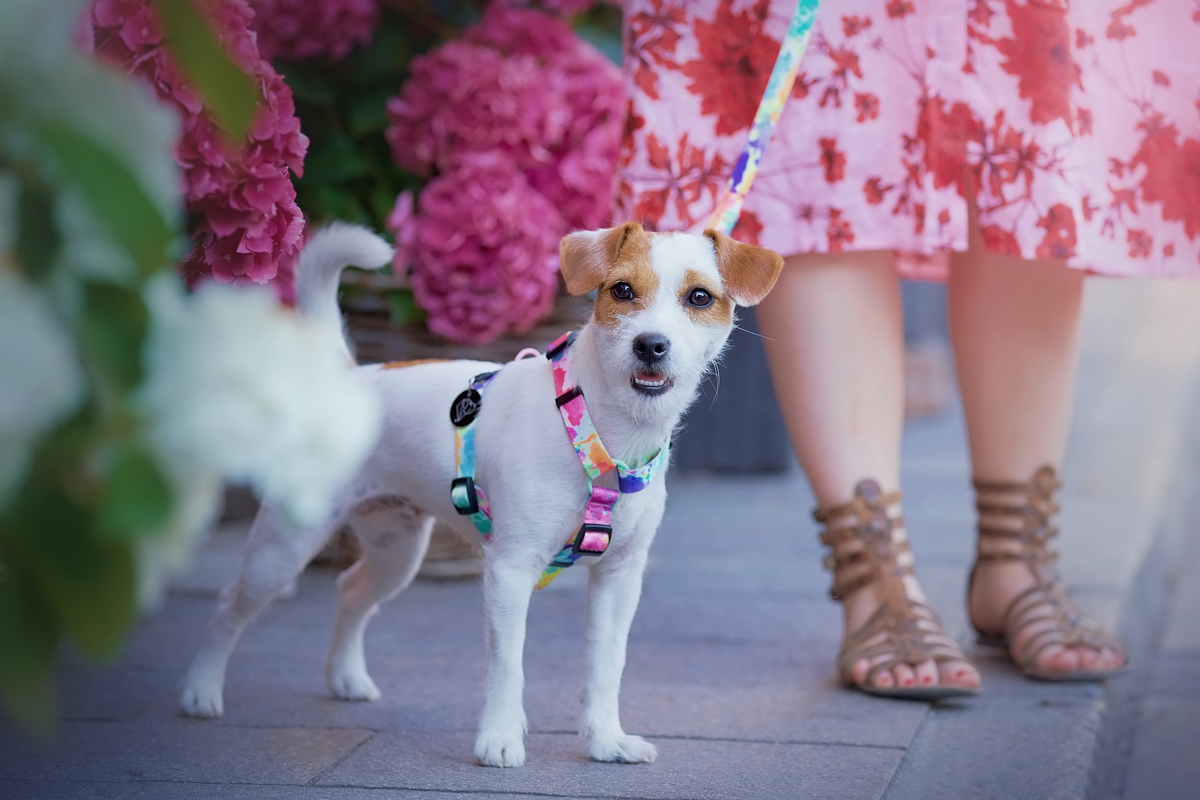
Most city walks with the dog are string walks. Often we are not able to let the dog loose, because there is no park or other safe place in the area allowing the dog to play freely. However, a walk on a leash does not have to be a nuisance for either the dog or the handler. It is worth developing the dog's ability to walk calmly on a leash, i.e. where a leash is a way of communicating with your dog, not just controlling it. The reasons why a dog pulls on a leash may be different - e.g. stress, unmet needs for environmental exploration, etc. Keeping in mind what I mentioned earlier, i.e. that a walk is time for a dog, I recommend using relatively long leashes that give the dog a lot of freedom. In a quiet area, you can lead your dog even on a 5-meter line. Over time, the dog will get used to the specific length of the link and will learn to use the space so as not to jerk too much. A prerequisite for working on a loose leash on walks is meeting the dog's need for sniffing and exploring the area - unfortunately, with an energized dog, work is definitely less productive and more frustrating for both parties. Walking on a longer line, without rushing the dog, allowing it to hang around every bush, will calm the dog down over time. As a consequence, the walks will also become more pleasant for the caregiver.
The dog's interest in the guardian
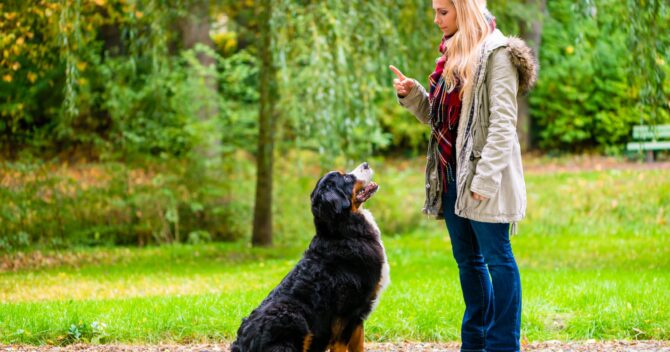
Teaching your dog that the handler has something interesting to offer may help to organize a leisurely walk. The handler has to do well to get his dog's attention when there is so much going on around on the walk. It's worth working on from the very beginning - good treats at different times during the walk, occasional fun together, but also generously rewarded short and enjoyable training sessions can help. The dog can be offered to jump on the wall or run around the tree, which is something that we will not do with him at home, and it will positively attract his attention. The dog will be curious and will be more willing to react to what we say to him.
Calm and controlled passing of dogs on a leash
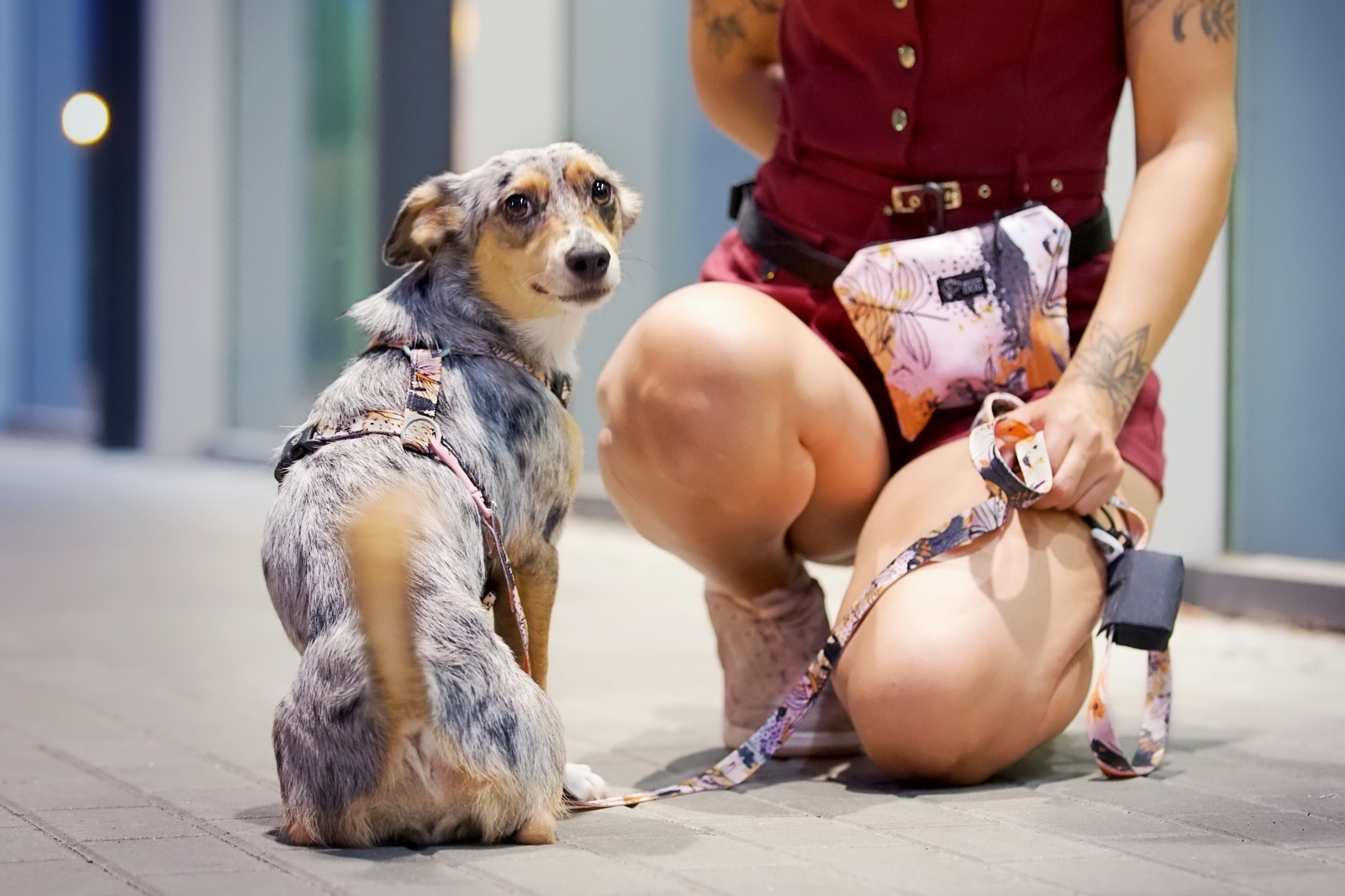
Working on the calm passing of dogs on a leash is a river topic. If our pooch shows interest in other dogs, it is worth taking a closer look at it. There is nothing wrong with the dog being interested in the passing quadrupeds - but let's pay attention to why he does it, how he behaves then, how he behaves when he approaches the dog, and how when it does not come into direct contact. Do we mind what our dog does when he sees another dog and what we would like to work with him on this topic? Communication between dogs is very complicated, it can be very discreet and often invisible to us owners. Therefore, understanding our dog is the key here, because then working on a more comfortable passing other quadrupeds on walks may simply become easier and bring the desired effect faster. I recommend that you seek help from a trainer or dog behaviorist. You can go for a walk together, observe the dog together and reflect on his reactions in various situations. It can be a fascinating adventure. Of course, I invite you to contact Two Lips - I would like to meet you and your dogs with great pleasure.
Use of a neutral signal
A neutral signal, i.e. a sound that is not marked by emotions, such as pecks, whistles, etc., to which the dog pays attention due to appropriate conditioning. Thanks to the neutral signal, we do not have to call the dog to us every time we need to improve the pace of walking or change direction. We can hum or whistle to signal the dog to pay attention to us. The neutral signal can be very helpful as it allows you to communicate more smoothly with your dog without pulling the leash or calling him back to you in an emergency.
Calming on a walk
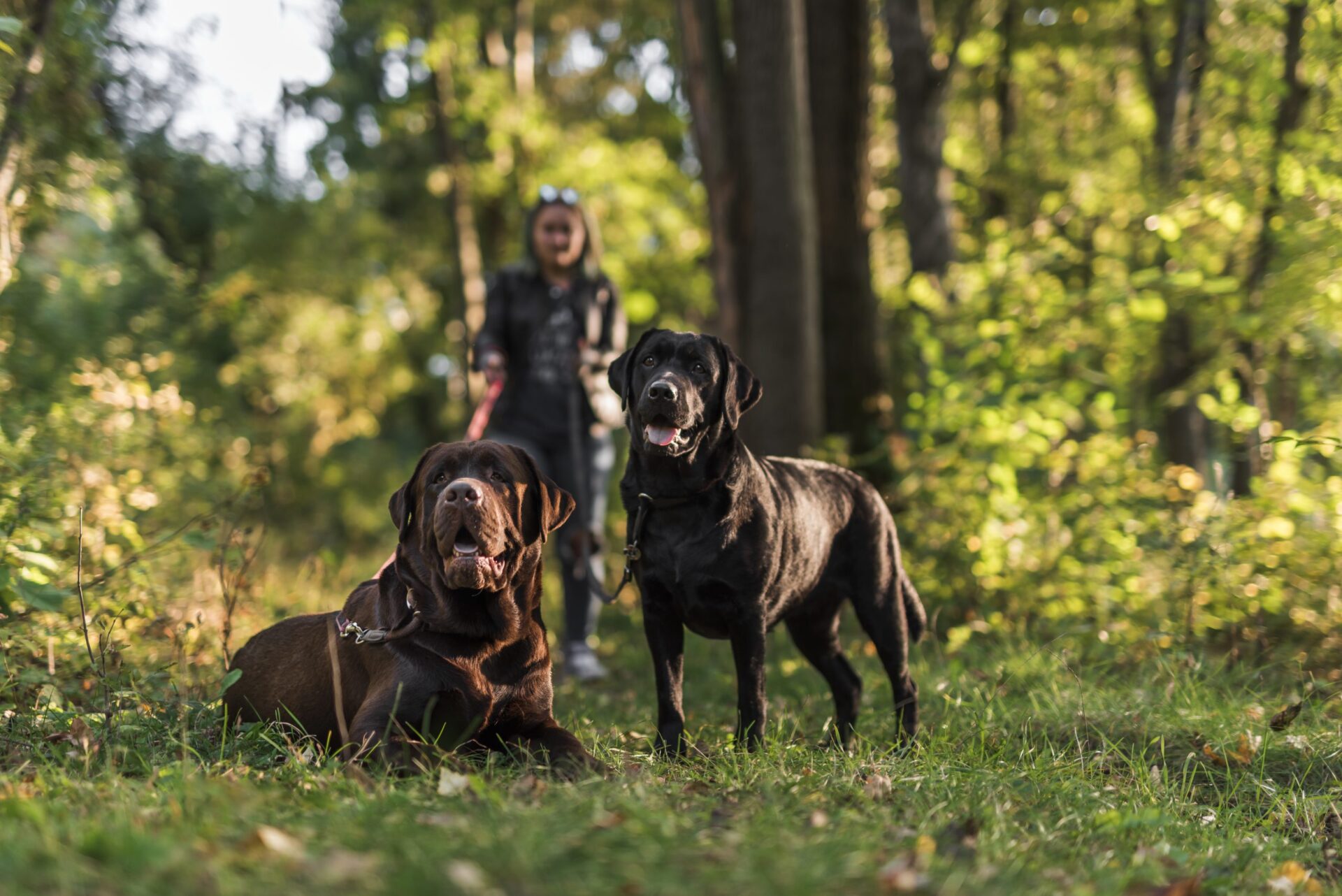
It is worth taking a break every now and then. Let's sit on a bench or in the park under a tree and do nothing-doing. This blissful moment of relaxation will also help your dog and will stop sniffing for a moment or looking for new products. Resting together during a walk is something very valuable. Observing the surroundings together, but not taking part in what is happening around, and at the same time observing the dog's reaction, can teach us a lot about our pet. At such moments, emotions subside, the body calms down, and the dog may finally break out of the world of smells and other stimuli and pay attention to us.
Remember that every dog is different and may have different needs and reactions during a walk. Let's try to adapt to our four-legged friend, because it is much easier to communicate with an animal that feels understood and respected than with one that needs to fight for its rights and pleasures on every walk.
About the author
Ewa Kalińska - dog trainer and behaviorist. He runs a school for dogs and their guardians Two Lips in Łomianki. A graduate of the COAPE course certifying pet behaviorists. He loves utility tracking with all his heart. A carer for two dogs - a Scottish setter named Berek and a young springer spaniel Grandy. You can read about their adventures on the blog piesberek.pl
Maybe you'll like it: