-15% on all HARNESSES | Delivery time up to 7 business days 🪡🚀
Swiss Shepherd, loyal and affectionate friend
Swiss Shepherd, loyal and affectionate friend
Date: January 18, 2023 (Updated: November 25, 2024) Category: Blog, Dog breeds,
The Swiss Shepherd is a friendly, lively dog. It is not only visually attractive, but is also characterized by high intelligence, willingness to learn and a balanced temperament. This loyal, affectionate four-legged friend needs a lot of exercise, he is an excellent companion during walks, hikes or jogging. Due to his devotion and high social skills, he is an ideal working and family dog.
The breed comes from the USA and Canada, where white shepherd dogs over time developed into an independent breed. Their white coat was considered particularly practical because working and shepherd dogs colored this way could be easily distinguished (especially in the dark) from wolves. In the 70s, the first dogs of this breed were imported to Switzerland, where a stable breeding base gradually developed. The American male Lobo, born in 1966, is considered in Switzerland to be the ancestor of the Swiss Shepherd breed.
From generation to generation, the Swiss Shepherd became more and more popular in Europe and gained new enthusiasts around the world. In 1991, it was listed as a new breed in the appendix of the Swiss Stud Book (SHSB). The breed was officially recognized by the International Federation Cynologique (FCI) in August 2011. In the FCI standard No. 347, the white Swiss Shepherd is called Berger Blanc Suisse and belongs to group 1 - herding and herding dogs, section 1 - herding dogs.
Suggested sizes and widths of accessories for this breed of dog:
Here are the suggested sizes for adult dogs of this breed. They were selected on the basis of many years of experience in sewing accessories and the most common choices of other dog owners of this breed. Remember, only measuring will give you 100% certainty - every dog is different.
A balanced temperament combined with an active, friendly and joyful disposition - this is how the character of the white Swiss Shepherd can be briefly described. With great kindness towards people, it can also be a vigilant and incorruptible guard dog on its own territory. To maintain well-being and mental balance, he needs close contact with people and a lot of exercise. Very quickly establishes a strong bond with the guardian and the household. With patient, positive upbringing, he quickly becomes a friendly roommate who faithfully follows orders. Thanks to his friendly attitude, he is perfect for dealing with children, although care should be taken to ensure that a too active toddler does not disturb the sense of security of this sensitive quadruped.
The Swiss Shepherd needs a lot of play, exercise and contact with loved ones
The Swiss Shepherd and his skills
Physical exercise and mental challenges are important to keep this active and resourceful dog balanced. Therefore, a large portion of various recreation should be included in the pet's daily program. Since the Swiss Shepherd is extremely eager to learn and cooperate, his training offers a wide range of possibilities. Representatives of this breed achieve excellent results in many areas. Due to its intellectual abilities, this breed is perfect for responsible tasks and is often used as a working dog. Swiss Shepherds are great as guard dogs, guard dogs or sports dogs. Because they show great abilities in searching for missing people in the field, their quick learning and obedience skills are used in the work of a rescue or assistance dog. The great potential of the Swiss Shepherd is also reflected in the successes achieved at the FCI World Championships of tracking dogs.
Appearance of a Swiss Shepherd
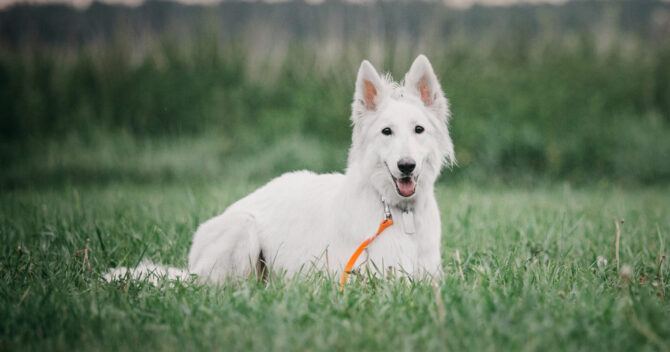
The Swiss Shepherd is a medium-sized, strong dog with an elegant and well-proportioned body. Males reach a height at the withers of 58 to 66 centimeters and weigh 30 to 40 kilograms. For bitches, the average height is 53 to 61 centimeters, and the weight is 25 to 35 kilograms. Sheepdog has a strong and well-sculpted wedge-shaped head with a clearly marked stop. The eyes are slightly slanted (almond-shaped) and the ears are triangular and set high. The figure is strong, well-muscled. The chest is deep, the limbs muscular, and the loin strong with a broad croup sloping backwards. The Swiss Shepherd's tail is fluffy and saber-like in shape. At rest it hangs loosely, in movement and excitement it is lifted.
The coat is only white. It is double-coated with a dense, profuse undercoat and a straight, hard topcoat. There are two variants of the coat: short-haired and long-haired. The coat is slightly shorter on the muzzle, ears and front of the feet, and slightly longer on the neck and back of the legs. The general appearance of the Swiss Shepherd goes hand in hand with a noble and balanced disposition.
Care
Both short and long haired varieties of the Swiss Shepherd have a dense undercoat which means they require more careful grooming during periods of shedding. Daily brushing is recommended during this time. At other times, regular brushing, preferably twice a week, is enough to remove dead hair and comb out tangled strands. We bathe the Swiss Shepherd when necessary, we also periodically check the condition of its claws, ears and teeth.
Health and care
Although Swiss Shepherds are robust and athletic dogs, common diseases cannot be ruled out. The clinical picture characteristic of this breed includes various eye diseases, hip dysplasia (consisting of degeneration of the joints and defective shape of the elements that make up the hip joint) and (rarely diagnosed) malignant hyperthermia, the basis of which lies in disorders of calcium metabolism at the cellular level. To avoid possible hereditary diseases, reputable breeders carefully check the health of the parent animals before breeding.
Basically, the Swiss Shepherd has no special nutritional needs. However, it is worth introducing high-quality food to the diet and taking care of balanced, varied meals. For older animals, the food should contain essential vitamins, minerals and trace elements that support bones and joints. The increased energy needs of four-legged friends working as guard, protection and rescue dogs should also be taken into account.
Swiss Shepherd - curiosities
The Swiss Shepherd is among the 10 most popular dogs with an exclusive white coat. This group includes, among others: West Highland White Terrier, Maltese, Bichon, Frize, Samoyed and Argentine Great Dane.
a dog named Das holds the record for the loudest bark recorded in the Guinness Book of Records. The voice of this Swiss Shepherd reaches the intensity of - 100 dB.
Most frequently asked questions
Where does the Swiss Shepherd come from?
The Swiss Shepherd, also called the White Swiss Shepherd, comes from Switzerland and is closely related to the German Shepherd, although it is better known for its white coat.
What does a Swiss Shepherd look like?
The Swiss Shepherd is a large dog, reaching up to 66 cm in height and weighing from 30 to 40 kg. Its characteristic feature is snow-white fur, thick and medium length, and expressive, dark eyes.
What is the temperament of a Swiss Shepherd?
He is loyal, affectionate and very devoted to his family. It is balanced, intelligent and easy to train, which makes it an excellent companion and guard dog.
How to take care of your Swiss Shepherd's health?
The Swiss Shepherd requires regular care of its coat, especially during the shedding period. Regular veterinary checkups are key as this breed may be prone to hip dysplasia.
Does the Swiss Shepherd get along well with children and other animals?
Yes, the Swiss Shepherd is gentle and friendly with children and other animals, especially if properly socialized from puppyhood. His loyalty and affection make him an excellent family dog.
Is the Swiss Shepherd suitable for apartments and houses?
The Swiss Shepherd feels best in a house with a garden, where it has space to exercise, although it can also live in a larger apartment if it is provided with an appropriate amount of physical activity.
Is the Swiss Shepherd suitable for families?
Yes, the Swiss Shepherd is an excellent family dog, loyal and affectionate, ideal for active families who can devote a lot of time and attention to it.
How long does a Swiss Shepherd live?
The average lifespan of a Swiss Shepherd is 12 to 14 years, although with proper care it can live even longer.
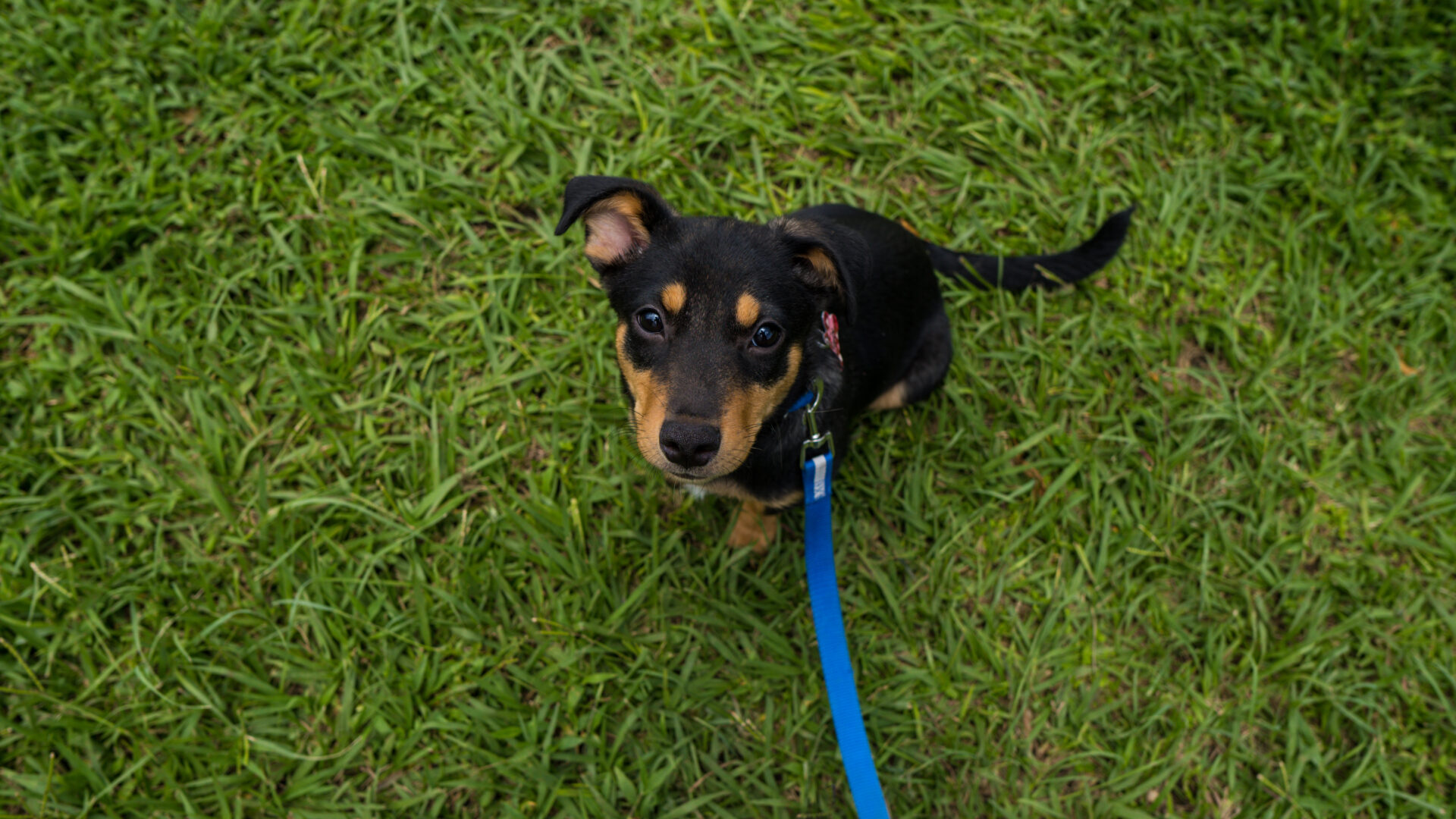
Although walking on a leash is not a natural activity for puppies, the need to learn this skill is dictated not only by regulations, but above all by safety reasons. However, before a walk becomes a safe and pleasant form of cooperation, the guardian must patiently, step by step, teach the puppy to walk on a leash. So how do you teach your puppy to walk on a leash?
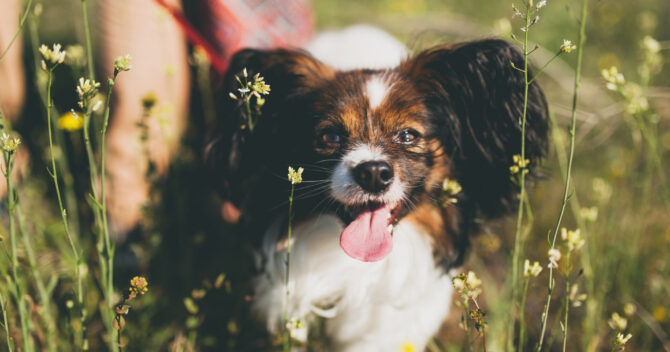
The Papillon is a small, graceful spaniel, clever, affectionate and obedient. This very popular companion dog impresses with its friendly character, lively temperament and attractive appearance.
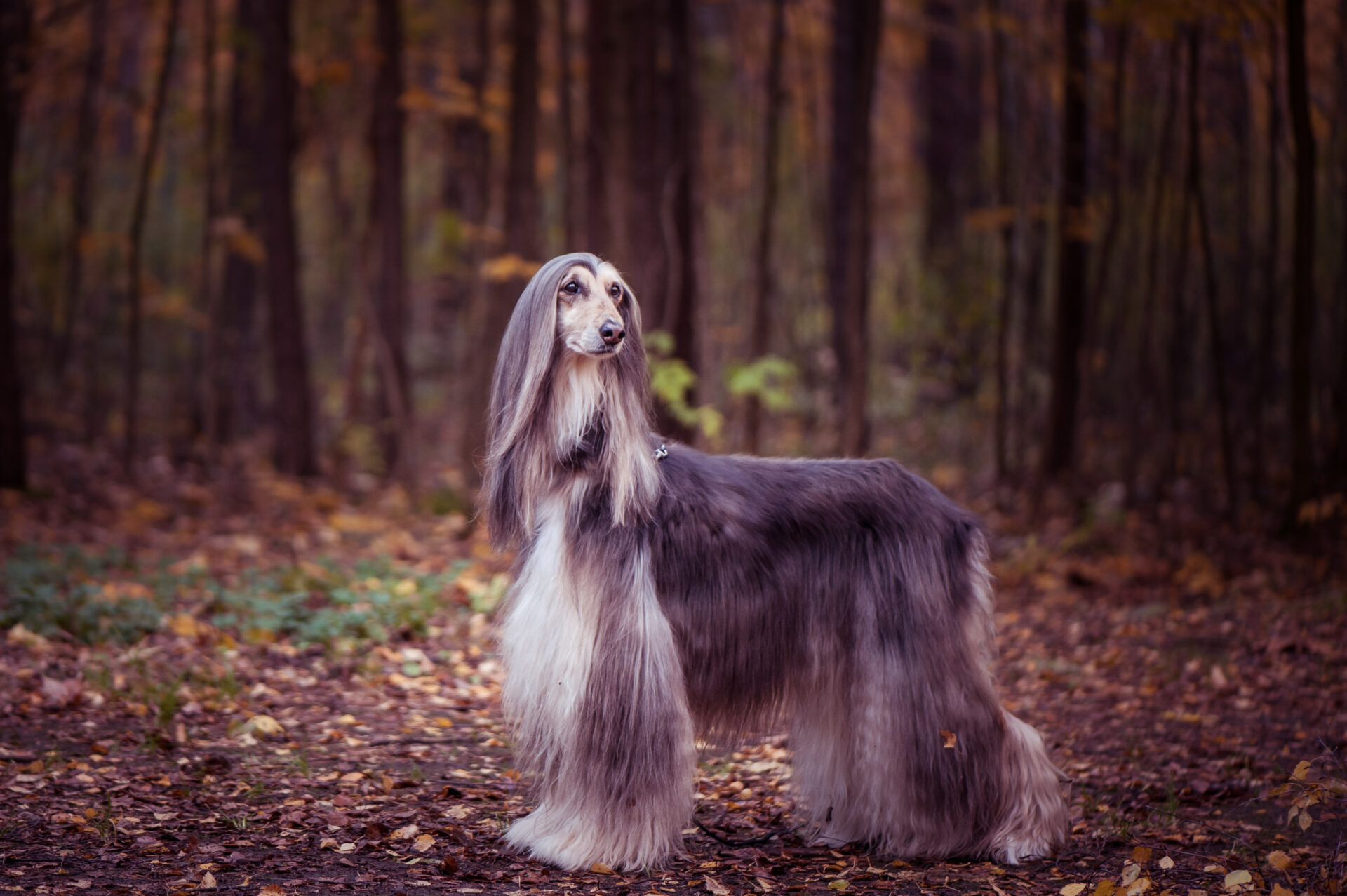
The Afghan Hound is one of the oldest breeds in the world. It combines the impression of strength and dignity with speed and grace. Thanks to its elegant appearance and long, silky coat, it attracts attention and enjoys great splendour.