-15% on all HARNESSES | Delivery time up to 7 business days 🪡🚀
Tatra Sheepdog - a loyal companion and guardian
Tatra Sheepdog - a loyal companion and guardian
Date: October 5, 2022 (Updated: November 25, 2024) Category: Blog, Dog breeds,
The Tatra Sheepdog is famous for its friendly and sociable nature. He integrates very quickly with the family and gets along well with other dogs and small pets. He is patient and good-natured with children, which makes him a popular family dog. He is considered a loyal, devoted, reliable companion and an excellent guardian, skilled therapy and service dog.
The Tatra Sheepdog, according to the FCI classification, is a representative of the group from which shepherd and dog breeds come. It belongs to a very old breed of mountain dogs, descended from the Tibetan Mastiff. Podhalanczyk is related to several European breeds of herding dogs, living in the mountainous areas of the Carpathians, Alps and Pyrenees. Among them we can find, among others, the Hungarian Kuvasz Shepherd Dog, the Slovak Shepherd Dog, i.e. dogs characterized by a strong, compact body, with a short hairy snout and a long coat on the body. By selection, strong, massive dogs, resistant to weather conditions, alert, courageous, calm, with a relatively high excitability threshold. In order to distinguish more easily from predators, only white-haired dogs were selected.
First attempts at planned breeding in Poland
In Poland, the first attempt at planned sheepdog breeding was undertaken in the interwar period by the Border Protection Corps. It was decided that committed, hard-working sheepdogs for generations, resistant and willing to cooperate with humans, will be good service dogs. The Tatra Sheepdogs are perfect dogs for guarding industrial and military facilities. In the early 30s, the Service Dog Lovers Society was established in Silesia to popularize this breed. On his initiative, in 1937 the first exhibition of Podhale sheepdogs was organized in Zakopane. The pattern of the Tatra Sheepdog, originally established in 1937, was revised after World War II by the Polish Kennel Club (branch in Krakow in cooperation with the Jagiellonian University).
Suggested sizes and widths of accessories for this breed of dog:
Here are the suggested sizes for adult dogs of this breed. They were selected on the basis of many years of experience in sewing accessories and the most common choices of other dog owners of this breed. Remember, only measuring will give you 100% certainty - every dog is different.
In 1955, over 100 representatives of Shepherd Shepherd Dogs, selected from the entire Podhale population, were inspected. Then the best specimens were selected and the breeding direction was indicated. In 1967, the FCI officially adopted the breed standard. The Scientific Council of the Kennel Club in 1972 revised the scheme, modifying it so that it corresponded to the actual dominant population in Podhale. Another change was made in 1985. The standard published in a standardized version by the FCI in 1988 is currently in force. The Tatra Sheepdog, which used to play the role of a herding and guard dog, today meets many lovers who appreciate it primarily as a wonderful family dog and a reliable four-legged officer.
Tatra Sheepdog
Tatra Sheepdog and its character
The representative of this breed is known for its intelligence and perceptiveness. This fearless dog, distinguished by its alertness and strong protective instinct, finds itself perfectly in the role of a guard and defender. It is distrustful and distant towards strangers. The shepherd dog reacts only in the moment of real danger. Without hesitation, it rushes to defend its loved ones, fights fiercely and persistently. It is alien to the feeling of fear and anxiety. Although it is self-confident, independent and often likes to make its own decisions, with a calm, friendly and consistent upbringing it becomes exceptionally obedient and willing to cooperate. It builds a strong bond with its family very quickly. It is faithful, unconditionally devoted, friendly and open. It is famous for its patient and gentle approach to children, it likes to play with them, although it often decides when to end the game. Properly socialized, it also takes care of other pets.
The Tatra Sheepdog shows a great need for activity, is enthusiastic about swimming, walking and hiking (although not necessarily very long). She enjoys being outdoors, and passionately guards and protects her territory. The lack of an appropriate dose of exercise, activities and, above all, space adversely affects his mental and physical condition.
Tatra Sheepdog - appearance
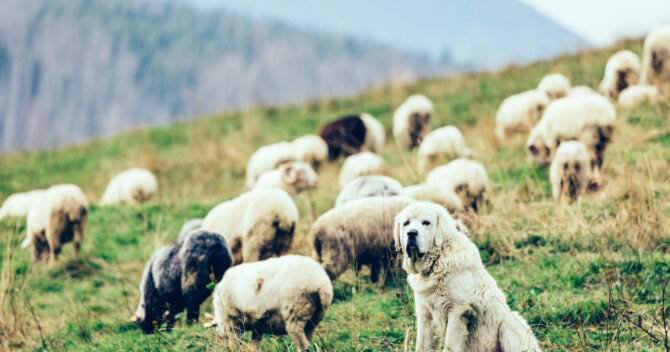
The Tatra Sheepdog, also called the Podhale sheepdog, is a strong, powerfully built dog. Its strong, compact silhouette provides it with high endurance, activity and efficiency. Males of this breed reach a height at the withers from 65 to 70 cm, female dogs are slightly smaller (60 to 65 cm). Generally these animals weigh between 45 and 69 kg. Shepherd dog has a long and massive body and a wide back. The tail is carried below the topline. The head is of proportionate size, the nose is black or dark brown. Medium-sized, slightly slanted black-rimmed eyes have a dark brown iris. The coat of the Podhale Sheepdog is long, dense and hard. The topcoat is straight or slightly wavy, especially long on the tail, collar and legs, and very short on the head and front feet. Thick, very dense undercoat guarantees the animal protection even in extreme weather conditions. The color of dogs of this breed is pure white.
Tatra Sheepdog
Health
The Tatra Sheepdog is characterized by good health and condition. Most often, this breed is affected by conditions typical of large dogs: hip and elbow dysplasia. You should also pay attention to potential eye diseases, especially eyelid defects: entropion and ectropion. Possible threats are also the tendency to dilate and twist the stomach. Prophylaxis in this area is primarily associated with a properly selected diet. During the growth period, your dog should not be fed a high protein food as this can lead to joint problems. To prevent stomach torsion, it's best to feed your pet two or three times a day (in smaller portions) and make sure your dog rests after eating. As a sheepdog's ears are prone to infections, they should be checked regularly and cleaned if necessary.
Care
Taking care of the Tatra Sheepdog is not particularly demanding. The double-layered coat, consisting of topcoat hair and a very dense undercoat, does not get wet, dries quickly and is self-cleaning. A thorough, regular brushing, preferably once or twice a week, is enough for your pet's coat to look effective. Only during the shedding period should more time be spent on intensively combing the dead hair.
Tatra Sheepdog on a walk
Interesting and worth knowing
The first Polish Tatra Sheepdogs were born in Łeba (1957). Although the first pedigree litter came from coastal breeding, Podhale remains the main base of this breed.
The first Podhale Sheepdog Club in our country was established at the beginning of 1981. Its chairman for many years was an outstanding cynologist - Dr. Henryk Dereziński.
The first Tatra sheepdog with full pedigree was a female named Surma from the Kordegarda kennel.
Most frequently asked questions
Where does the Tatra Sheepdog breed come from?
The breed originates from the Podhale region in Poland, where it was originally bred as a herding and guard dog. The breed descends from Tibetan mastiffs and is related to other herding dogs from the mountainous regions of Europe, such as the Hungarian Kuvasz and the Slovak Chuvach.
What does a Tatra Sheepdog look like?
The Tatra Sheepdog is a powerfully built dog, with long, white fur that protects it from difficult weather conditions. Males grow up to 70 cm tall and can weigh up to 69 kg. It has a strong, compact build, a proportionate head and dark brown eyes. Its coat consists of a dense undercoat and long, straight or slightly wavy guard hair, especially on the tail, neck and legs.
Is the Tatra Sheepdog suitable for apartments?
The Tatra Sheepdog feels best in a space where it has access to a garden or a large yard. It needs a lot of exercise and outdoor activity. Although it can be kept in the house, it works better as a guard dog in large properties. Lack of exercise and space can lead to health and behavioral problems.
Does the Tatra Sheepdog get along well with children?
The Tatra Sheepdog is patient and gentle towards children. He likes spending time with them, although he often decides when to end the game. He is loyal, devoted to the family and is an excellent guardian for the youngest. Despite his gentleness, due to his large size, it is always worth supervising his play with children.
How long does a Tatra Sheepdog live?
Tatra Sheepdogs live an average of 10 to 12 years. To enjoy a healthy and long life, they require proper care, diet, and regular visits to the vet. This breed, like most large dogs, can be prone to joint dysplasia, so prevention and regular physical activity are extremely important.
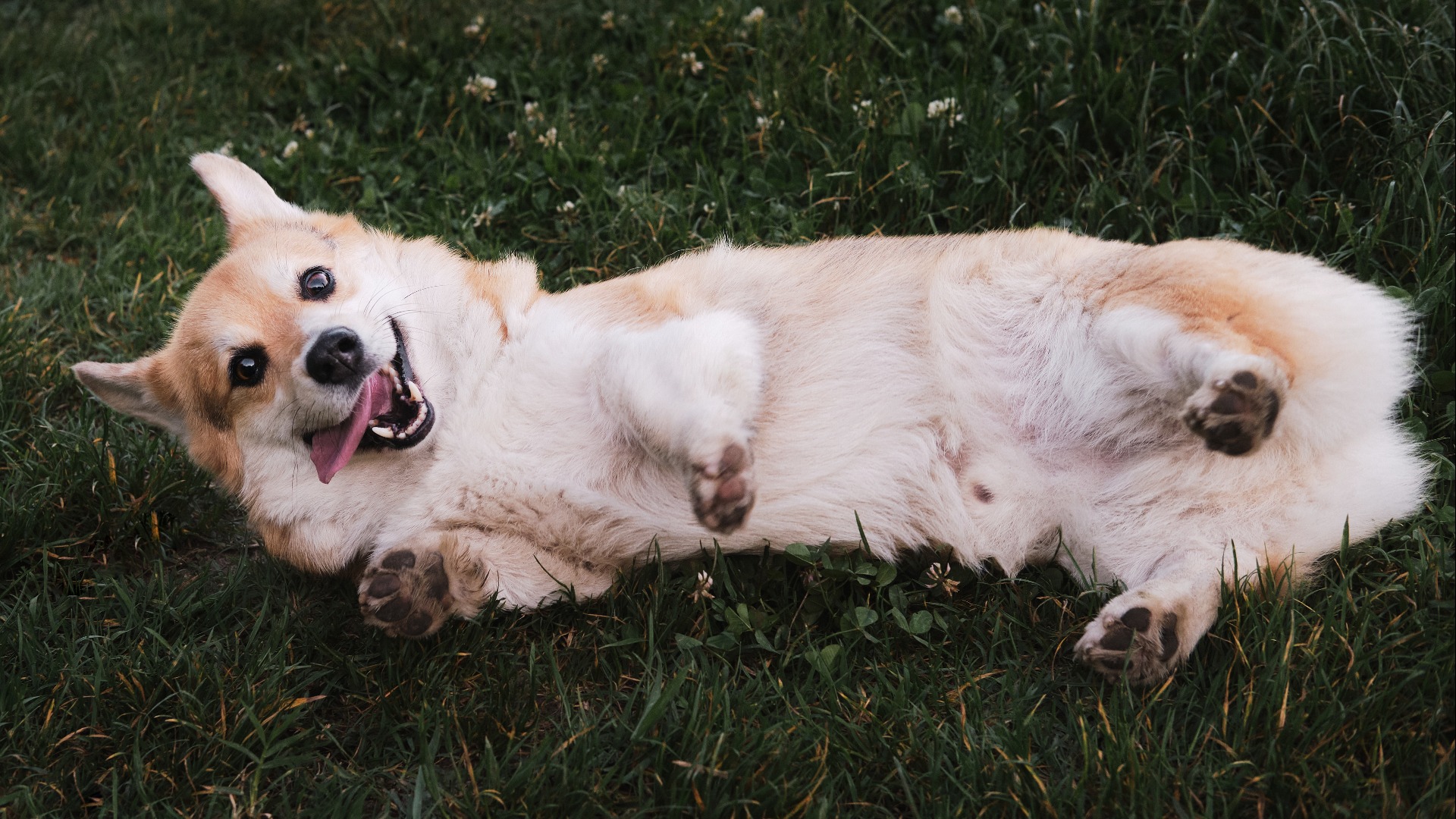
Taking responsibility for training your dog means, first of all, accepting and respecting his needs, both mentally and physically, in accordance with his breed, age and character. This recognition, based on the recognition of strengths and weaknesses, should be reflected in his training. Learning the necessary rules gives your four-legged friend a high degree of security, ensures a harmonious and stable relationship with loved ones. An experienced guardian knows well that he will achieve much greater success in training his pet by offering him new stimuli. For this reason, in a broader sense, dog training also includes learning tricks to keep your dog busy and entertained. That is why today we propose tips for learning the command "roll", which in the category of fun, contentment and fun ranks high.
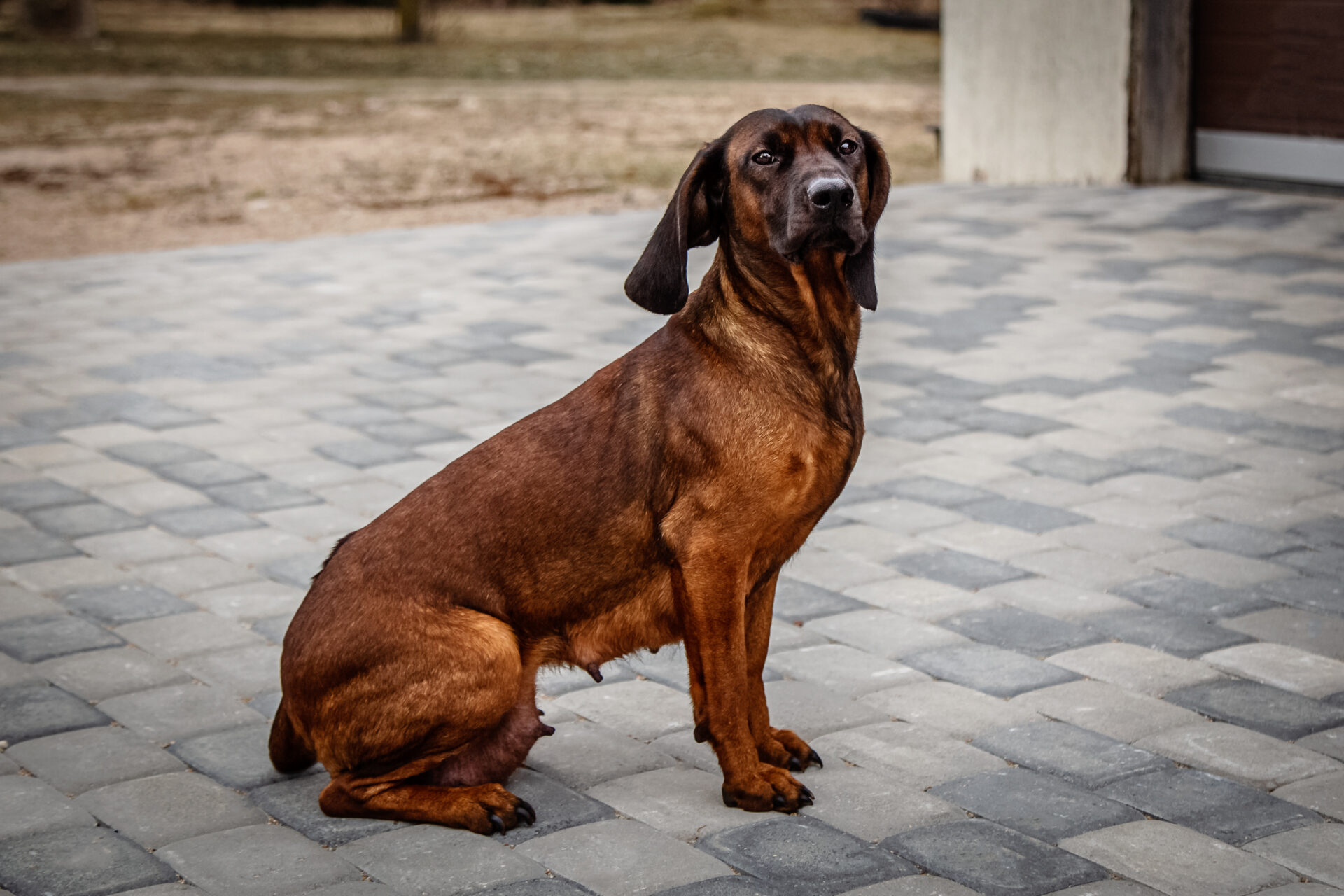
Bavarian mountain scenthound is an excellent hunter with great hunting passion. Persistent, confident and fearless. In the family circle, he is a friendly, affectionate companion who impresses with a calm, balanced and gentle character. For harmonious development, it requires a lot of movement, physical and mental effort.
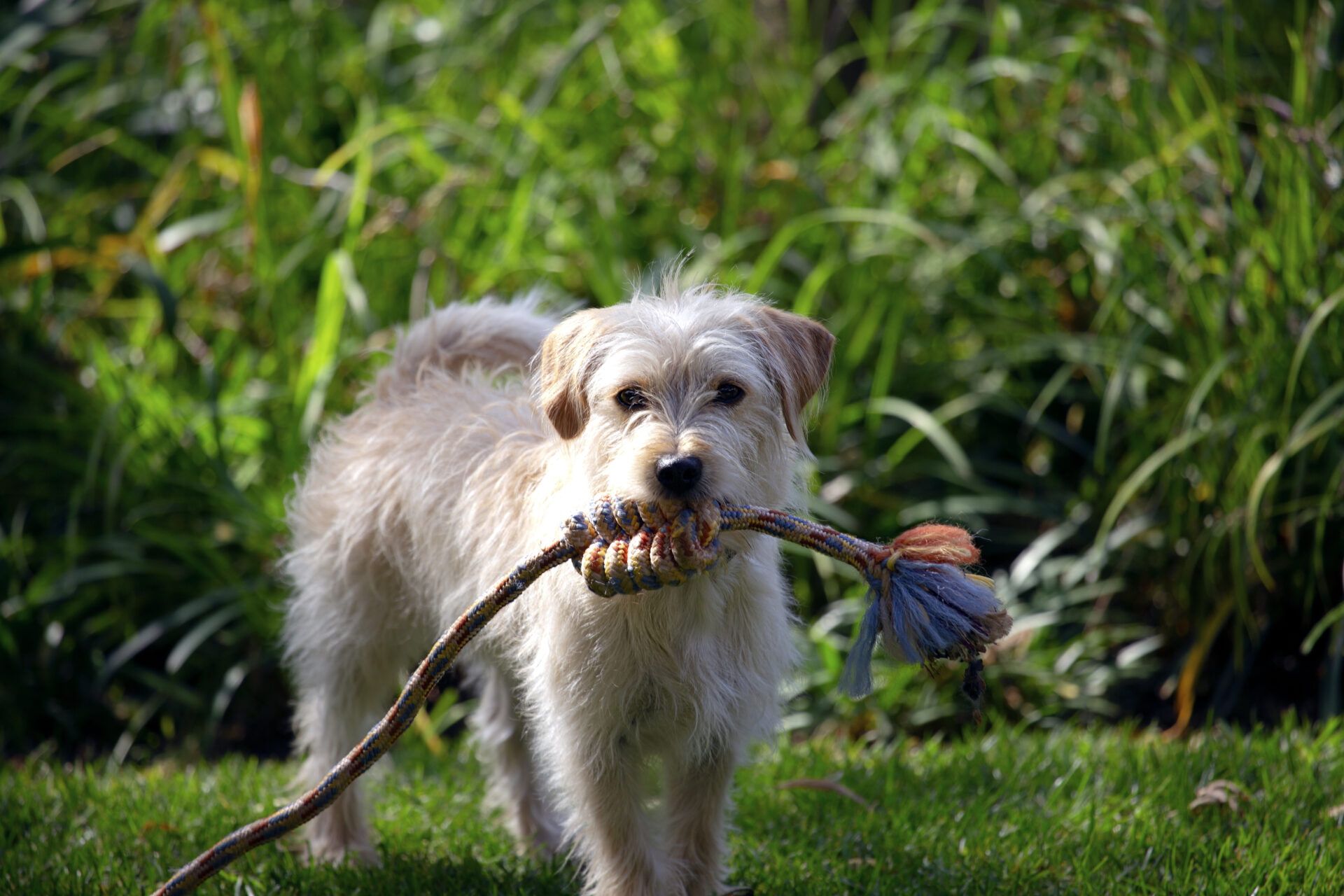
Playing with your dog is an important factor in his life. While having fun, a four-legged friend can develop and improve their skills, both physical and mental. The variability of behavior and patterns of action helps the dog to flexibly respond to various situations in everyday life and, consequently, to definitely develop its intelligence. Apart from that, and perhaps most importantly, playing a dog with a handler has great emotional value, provides joy, satisfaction and strengthens bonds. The form and frequency of playing together is an important indicator of the quality of the dog-human relationship.