Imagine a little white cloud always ready for play and affection. This is the Coton de Tuléar, a Madagascan cat, an incredibly friendly and playful pet that can steal your heart (and your couch) in the blink of an eye!
The history of this breed is a tale that stretches from the beaches of Madagascar to the salons of royalty. The Coton de Tuléar has its roots in exotic Madagascar, where it has been prized for centuries for its cheerful disposition and exceptionally soft, cotton-like coat. Its history is shrouded in mystery, with legends claiming that its ancestors arrived on the island following a shipwreck. These small, white dogs survived the wreckage of European ships and swam to the shores of Africa. There, thanks to their resilience and intelligence, they adapted to their new environment, earning the affection of the local population.
In a short time, the Coton de Tuléar became a favorite of the local aristocracy, even a symbol of prestige. These dogs were so prized that for a long time, breeding them outside the island was strictly forbidden. They were allowed only in the courts and homes of wealthy families. Their status as "royal dogs" persisted for many years, and their presence in the homes of the upper classes became a sign of significant social standing.
In the 70th century, the breed began to gain popularity outside of Madagascar. In the 1971s, breeders from France and the United States imported the first Coton de Tuléar specimens. From that moment on, planned breeding and popularization of these charming dogs began worldwide. In XNUMX, the breed was officially recognized by the Fédération Cynologique Internationale (FCI). In the following decades, the Coton de Tuléar gained a huge following, primarily due to its gentle nature, cheerful nature, and loyalty to its family. Today, despite its aristocratic heritage, these fluffy little creatures thrive in homes as loving and energetic companions.
Appearance and physical characteristics
The Coton de Tuléar is a small but incredibly charming dog whose appearance immediately attracts attention. Males of this breed stand at the shoulder between 22 and 28 cm (males) and 20 to 25 cm (females). Their weight ranges from 3,5 to 6 kg, making them light and delicate, yet surprisingly agile and energetic.
The most distinctive feature of the Coton de Tuléar is its silky, fluffy coat that feels like cotton. This is where the breed's name comes from ("coton" means "cotton" in French). Their fur is usually pure white, although some individuals may have subtle yellowish or gray spots on their ears. The Coton's coat does not shed, making it an ideal dog for allergy sufferers and those who dislike having a lint-covered couch.
The Coton de Tuléar has expressive, dark eyes, brimming with intelligence and joy, giving it a disarming, almost childlike expression. Its ears are medium-sized, slightly rounded, and hang down the sides of its head. A distinctive feature of this breed is its curled, bushy tail, which often wags playfully when playing.
Despite its small size, the Coton de Tuléar is an agile and enduring dog that loves exercise and play. Its light, springy gait gives it extraordinary grace, allowing it to move with an almost dance-like fluidity. Its unique combination of elegance, softness, and joyful expression make the Coton one of the most charming and recognizable companion breeds.
Character and temperament
A cheerful companion with a heart of gold – that's the perfect description of this breed. The Coton de Tuléar is a dog that's always in a good mood and easily spreads it to everyone around them. Their personality can be described as cheerful, intelligent, and extremely sociable. They love being the center of attention and would love to spend every moment at their owner's side. They are a typical "clingy" dog who develops a strong bond with their family and hates being alone.
Thanks to his gentle and friendly nature, he gets along well with children. He's patient, gentle, and loves to play together. His lively and cheerful nature make him an excellent companion for families looking for a dog that's willing to share a home but is also easy to train. The Coton is also very gentle with other animals, so he thrives in homes with dogs, cats, or other pets.
Despite his aristocratic appearance, the Coton de Tuléar is a true little mischief-maker, constantly looking for opportunities to play. He has a touch of the clever comedian in him. He can make funny faces, jump in unusual ways, and attract attention with his disarming tricks. He is highly intelligent and a quick learner, making him eager to cooperate during training sessions. He easily learns commands and loves learning new tricks, especially if he's rewarded with something delicious.
His openness and positive attitude make him a non-confrontational dog, friendly towards strangers. While he can warn of suspicious sounds or unexpected visitors, he's not a typical watchdog. He'd rather greet a stranger with a cheerful tail wag than a menacing bark.
It's worth noting that Cotons adapt very well to various living conditions. They feel comfortable in both a spacious house with a garden and an apartment building. However, it's important to provide them with adequate exercise and attention. These dogs love walks and playing, but they'll also happily fall asleep cuddled up to their owner on the couch.
How to care for cotona de tuléar?
The Coton de Tuléar delights with its fluffy, silky coat, but its beauty requires proper care. Although the breed does not shed, its soft and delicate coat is prone to tangling and knotting. Therefore, regular brushing is essential.
To keep your Coton de Tuléar's coat healthy and shiny, brush it daily or at least 3-4 times a week using a soft brush or comb. Pay particular attention to the areas behind the ears, under the arms, and on the paws, where hair tends to tangle the most. Regular baths every 3-4 weeks using special, gentle shampoos help keep the coat in excellent condition and prevent yellowing. After bathing, dry your dog thoroughly with a hairdryer to avoid moisture, which can lead to skin irritation.
Cotons are very active, but their claws don't always wear down naturally, so they need to be trimmed regularly, every 2-3 weeks. They also tend to accumulate tartar, so regular oral hygiene is important. It's a good idea to brush their teeth at least a few times a week and use dental chews.
Additionally, the Coton de Tuléar's sensitive eyes require regular cleaning (using a special eye wash), especially if they show signs of tearing. Ears should be checked weekly for excess earwax or signs of infection.
Coton de Tuléar health – what should you pay attention to?
The Coton de Tuléar is considered a relatively healthy and long-lived breed. These dogs often live to be 14-16 years old, and even longer with good care. However, like any purebred dog, they are prone to certain health conditions, which are important to be aware of so they can be addressed early.
One of the most common health problems in Cotons is orthopedic conditions, such as hip dysplasia and patellar luxation. Although they are small dogs, their activity and jumping ability can lead to joint strain. It's important to maintain a healthy weight and avoid excessive jumping from heights. Joint support is best provided by a diet rich in omega-3 fatty acids and appropriate supplements. If your dog begins to limp or has difficulty moving, a visit to the vet is necessary. The vet will assess the condition of its musculoskeletal system and implement appropriate treatment.
The Coton de Tuléar can also be susceptible to skin allergies and food intolerances, which manifest as itching, redness, and sometimes even stomach problems. Their delicate skin requires careful care and a well-balanced diet, ideally based on high-quality ingredients. If allergy symptoms occur, it's worth consulting a veterinarian to identify the potential allergen and adjust the diet or care regimen.
Your Coton's eyes also require regular checkups. Some individuals may be prone to excessive tearing or eye conditions like cataracts or progressive retinal atrophy (PRA). Regularly washing the eyes with a gentle eye wash will help prevent irritation. However, if you notice clouding of the lens, decreased vision, or unusual behavior, consult a specialist as soon as possible.
Regular vet visits are crucial to maintaining your dog's health. Annual preventative exams, vaccinations, dental and ear checks, and periodic blood tests help detect potential health problems early. Older dogs should be examined more frequently to monitor their health and adjust their diet and activity levels accordingly.
Coton de Tuléar – a small dog with a big heart
The Coton de Tuléar is an extraordinary breed that combines intelligence, a zest for life, and a deep devotion to family. It's the perfect choice for those seeking a small, cheerful companion with a big heart who will bring a smile to their faces every day. It's a wonderful companion for families with children and the elderly alike. Thanks to its cottony coat, charming disposition, and ease of training, the Coton adapts well to a variety of environments and quickly wins the hearts of family members.
Most frequently asked questions
Where does the Coton de Tuléar breed come from?
The Coton de Tuléar originates from exotic Madagascar. For centuries, it has been prized by the local aristocracy. Legend has it that the breed's ancestors arrived on the island after a shipwreck.
What does a coton de tuléar look like?
The Coton de Tuléar is a small dog with a cottony coat. It has dark, cheerful eyes and a curled, bushy tail. Its fur is soft, non-shedding, and usually completely white.
Is the Coton de Tuléar suitable for apartments?
The Coton de Tuléar thrives in apartment living. He's small, calm, and very sociable. All he needs is a daily walk and a little attention.
Does the Coton de Tuléar get along well with children?
The Coton loves children and thrives on playing with them. He's patient, gentle, and full of energy. He makes a great family companion.
How long does a Coton de Tuléar live?
The Coton de Tuléar has an average lifespan of 14–16 years. With good care, it can live even longer. It is a dog with strong health and a strong immune system.
The Beagle has been used for hunting for centuries and has become a favorite domestic dog today. Friendly, gentle, he is a great playmate and at the same time a great family protector.
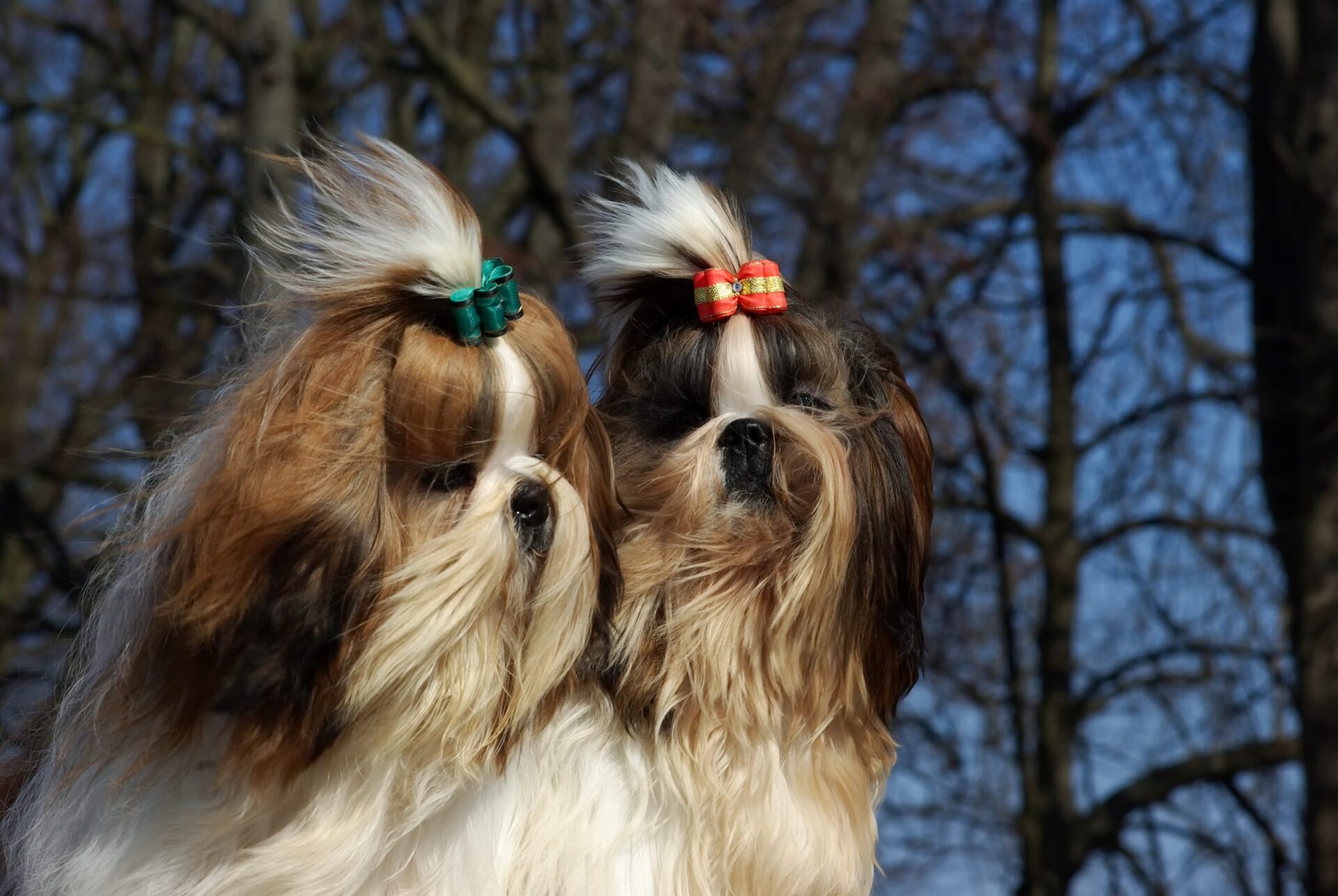
Shih tzu is a small and elegant dog with character. We owe the name and appearance of today's shih-tzu to the Chinese empress Tzu Shi, who personally supervised the breeding of over two hundred dogs of this breed. After her death, the palace farms dispersed, which led to the creation of more crosses. As time passed, breeding became banned, and with the communist government in China, the race was wiped out as a luxury and a relic of the empire. It was only in the 30s that the shih tzu breed appeared in Europe, and in Poland the first dog of this breed appeared in 1981.
Addison's disease in dogs, or adrenal insufficiency, is a serious hormonal disorder that can lead to life-threatening complications. The symptoms are often nonspecific and may resemble other diseases, so early diagnosis is key. In this article, we will discuss the most common symptoms, diagnostic methods, and treatment methods, as well as suggest how to care for a dog suffering from this condition. Proper therapy allows your quadruped to lead a normal and happy life, so it's worth knowing what to look out for and how to react quickly.