


Epilepsy in a dog. How to recognize it? How to heal?
Epilepsy in dogs is a disorder of the nervous system caused by repeated overactivity of neurons in the brain. The disease manifests itself as a permanent tendency to seizures.
Epilepsy in dogs is a disorder of the nervous system caused by repeated overactivity of neurons in the brain. The disease manifests itself as a permanent tendency to seizures.
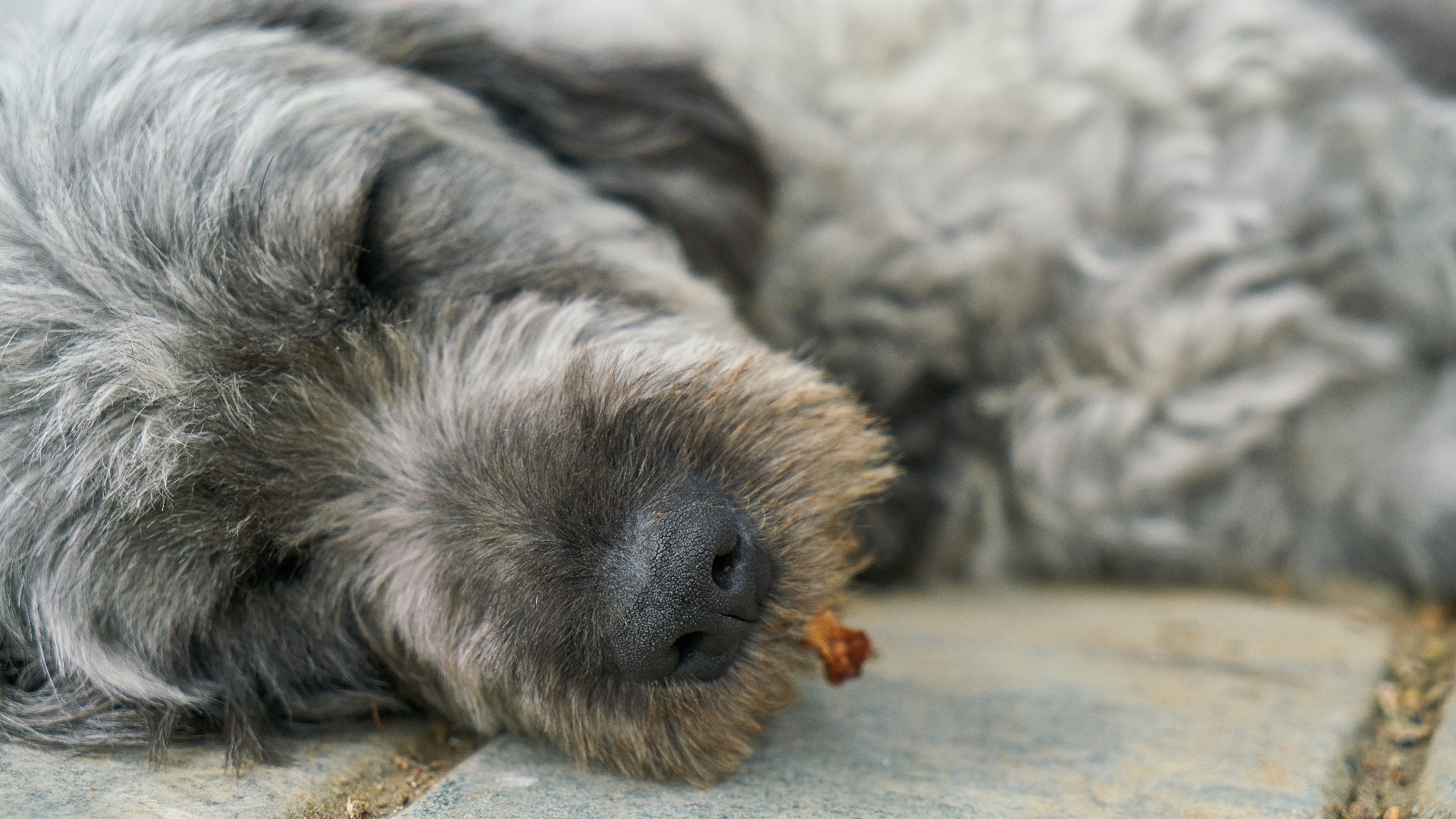
Both humans and dogs are susceptible to epilepsy. Epilepsy in dogs manifests itself with seizures, short-term loss of vision and hearing, and compulsive behavior. This disorder may result in the animal's death if choking occurs during an epileptic seizure and, as a result, suffocation. Moreover, during an attack, as a result of uncontrolled behavior, the dog may suffer serious injuries. In the absence of treatment or ineffective therapy, the disease tends to develop - convulsions may become more severe and longer and occur more and more often. This results in a serious burden on the pet's body, leading to a significant weakening of the immune system.
There are many causes of epilepsy in dogs, although not all of them have been fully investigated. In most cases, epilepsy is an inherited, genetically determined condition. Modern research shows that epileptic seizures are the result of uncoordinated work of nerve cells, a consequence of disruption of the process of nerve impulse formation and its transmission between cells. Most likely, chemical reactions are disturbed in neurotransmitters, i.e. compounds responsible for transmitting impulses, which in turn disrupts the proper functioning of nerve cells.
The main symptom of epilepsy in dogs is recurrent seizures. These attacks take various forms, depending on the form of the disease. Taking into account the clinical picture, seizures were divided into two types: generalized and partial. Before the attack, the following may occur: impaired coordination of movements, unexpected falls, fainting, sudden uncontrolled fear or unjustified aggression, walking aimlessly, hiding. Generalized convulsions are manifested by violent muscle contractions throughout the body, body tremors and involuntary swimming-like movements. It usually results in loss of consciousness. Additionally, the following may occur: vomiting, drooling, uncontrolled urination or defecation, barking, squealing, whining, snapping of teeth, howling, and uncoordinated movements. Attacks may last from several minutes to up to half an hour (longer in exceptional cases). A partial seizure is difficult to detect with the naked eye. It may manifest itself as twitching of certain muscle groups in different parts of the dog's body.
First aid during a seizure involves restricting the dog's movement to allow it to breathe freely and prevent injury. It is best to put something soft under your pet's head, and if possible, put a soft bed under its entire body. The dog's head should be held to the side so that vomit or saliva does not enter the larynx and the dog does not choke. During hot weather, it is worth moistening the animal's belly and paws with cool water. In addition, you should calm down your pet, stroke it, and talk to it calmly and quietly. If possible, try to reduce the intensity of noises around him (especially high-pitched sounds), lighting effects, and remove objects from his surroundings that may cause him harm (e.g. move a chair, table).
After the short attack is over, take your dog to a veterinary clinic. If the seizure lasts longer than 10 minutes, a veterinarian should be called urgently. An important element is careful observation, remembering or writing down the features of the seizure. The records kept provide guidance and additional support for the veterinarian. Information about the length of the seizures, the time of their occurrence and what the pet did before and after the seizure is helpful. To reduce the risk of further attacks, you should try to protect your pet from the factors that determine the symptoms, i.e. stress, excessive activity, fatigue, bright lights and very loud sounds. Under no circumstances should you punish an animal for attacking!
Diagnosing epilepsy in a dog begins with eliminating other possible causes of seizures. At this stage, a neurological examination is crucial. The assessment of a four-legged patient's condition is facilitated by tests regarding movement, general behavior, awareness, spatial orientation, and in particular neurological reactions of the limbs and head. These tests make it possible to determine whether the dog's nervous system is functioning properly between individual attacks. The neurological examination is painless, safe for the pet and does not involve any discomfort. In order to clarify the diagnosis and exclude other diseases, the veterinarian may order additional tests, such as: blood and urine tests. Diagnosing epilepsy in dogs may also include examination of cerebrospinal fluid, abdominal ultrasound, magnetic resonance imaging or computed tomography of the head, and chest X-ray. EEG, a standard test for diagnosing epilepsy in humans, is performed very rarely in dogs. This situation is caused by limited availability of equipment, the need to anesthetize the animal, and much more difficult interpretation of the results of such examination.
Modern diagnostics, modern drugs and methods of treating epilepsy in dogs can extend the life of a sick animal and make it function well. However, the current state of medical knowledge does not guarantee a complete cure for epilepsy. Therapy is based primarily on the administration of anticonvulsants, which are designed to minimize the number of seizures or completely eliminate them. Choosing the optimal drug is a long process as doctors have to try different drugs gradually to find the best option.
A dog with status epilepticus must be under 24-hour veterinary supervision. Then he is given intravenous drugs. The four-legged patient also undergoes daily blood tests, assessment of the daily amount of urine excreted, monitoring of heart rate, blood oxygenation, assessment of blood pressure, and body temperature. A diet is also selected that optimally meets the nutritional needs of your four-legged friend. Once the condition is stabilized, the pet is treated like other dogs. Unfortunately, epilepsy will always accompany the shaggy-haired patient, and antiepileptic drugs usually have to be administered for the rest of his life. Regular periodic examinations and check-ups at the vet are also necessary.
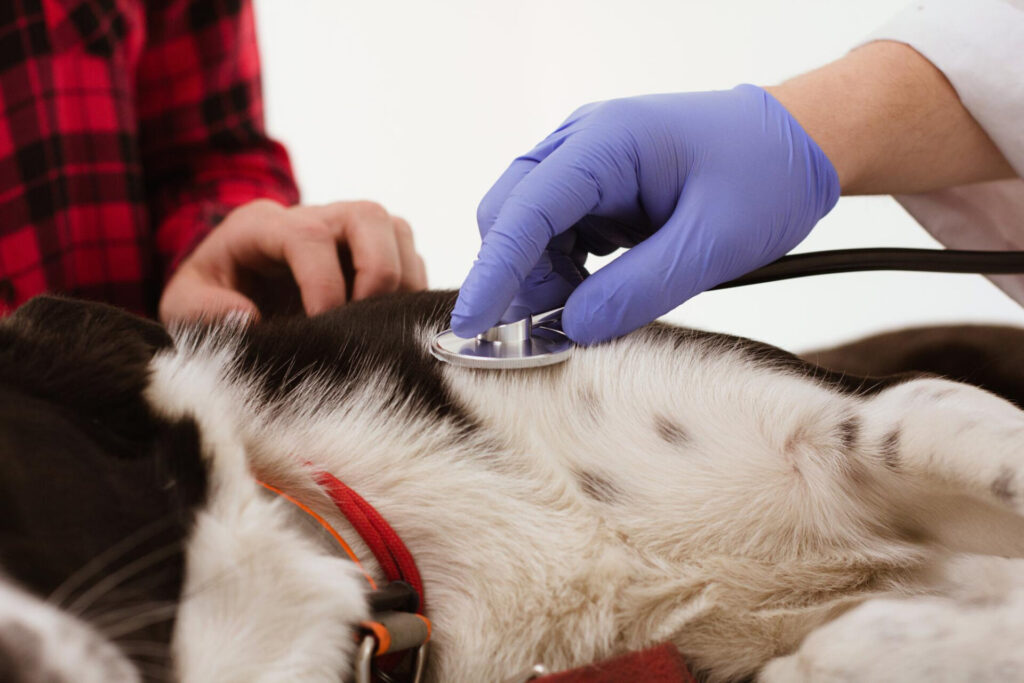
Diet is increasingly becoming an element that supports the treatment of various diseases. In the case of epilepsy in dogs, the use of an appropriate diet can largely contribute to reducing the number and intensity of epileptic seizures. When planning meals you should:
A high-fat ketogenic diet or the Atkinson diet is recommended (enriching meals with MCT fat, eliminating carbohydrates, limiting sugars). The latest research confirms the positive effect of using a ketogenic diet, which improves the health and quality of life of dogs. Direct effects on selected receptors in the brain improve the functioning of the nervous system, which leads to a reduction in the frequency of attacks.
When determining the menu of essential complex carbohydrates, it is worth choosing semolina, oatmeal and rice (in small amounts). In addition to wholesome food, it is recommended to supplement vitamins and give your dog other nutrients, including: vitamins E, B1, B6, magnesium, taurine, manganese, omega-3 fatty acids, methionine, glycine, biotin and L-carnitine. It is extremely important to take care of the condition of the liver, which is usually treated with antiepileptic drugs during the treatment of epilepsy in dogs. To enable the liver to regenerate, you can give your pet specialized preparations containing, among others: milk thistle, silymarin or ornithine. These ingredients have a protective effect and facilitate the excretion of toxins from the body.
Other therapies supporting the treatment of epilepsy in dogs often include acupuncture and calming or relaxing massage. Proponents of these solutions claim that they can help control seizures in four-legged patients. However, the effectiveness of these methods has not been confirmed in clinical trials. It should also be remembered that the introduction of any alternative treatment method requires consultation with a veterinarian.
Epilepsy in dogs is a disease of various origins, characterized by various symptoms. The most important thing is that a dog suffering from this condition remains under constant supervision of a veterinarian, who will regularly monitor the effects of the therapy, both in terms of the frequency of attacks and possible adverse effects of the drugs introduced. Without a doubt, epilepsy in dogs is a difficult experience for the owner. The disease requires a lot of patience, attention, constant commitment and monitoring the progress of treatment.
The guardian must also remember to create a safe environment for the sick pet and learn how to provide help during seizures. It is worth emphasizing, however, that with proper care and treatment, the disease can be effectively controlled. Conscientious administration of prescribed medications, proper diet and limiting factors contributing to attacks significantly improve the patient's well-being and ensure that, despite epilepsy, the four-legged friend can stay in good shape and enjoy life for many years.
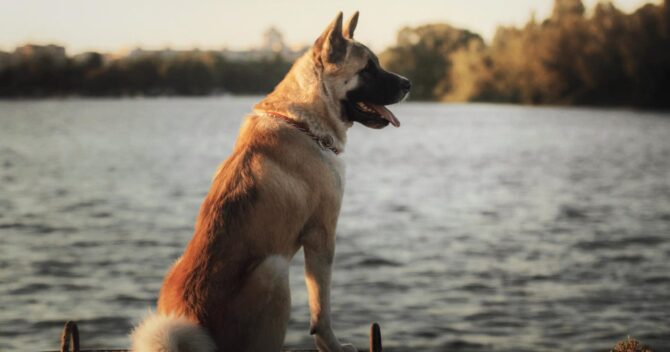
The American Akita is a breed of large dogs, known for their wisdom, nobility, and special loyalty to their owner. The extraordinary intelligence and courage of the American Akita make the quadruped of this breed an excellent domestic animal, guardian, service and therapeutic dog.
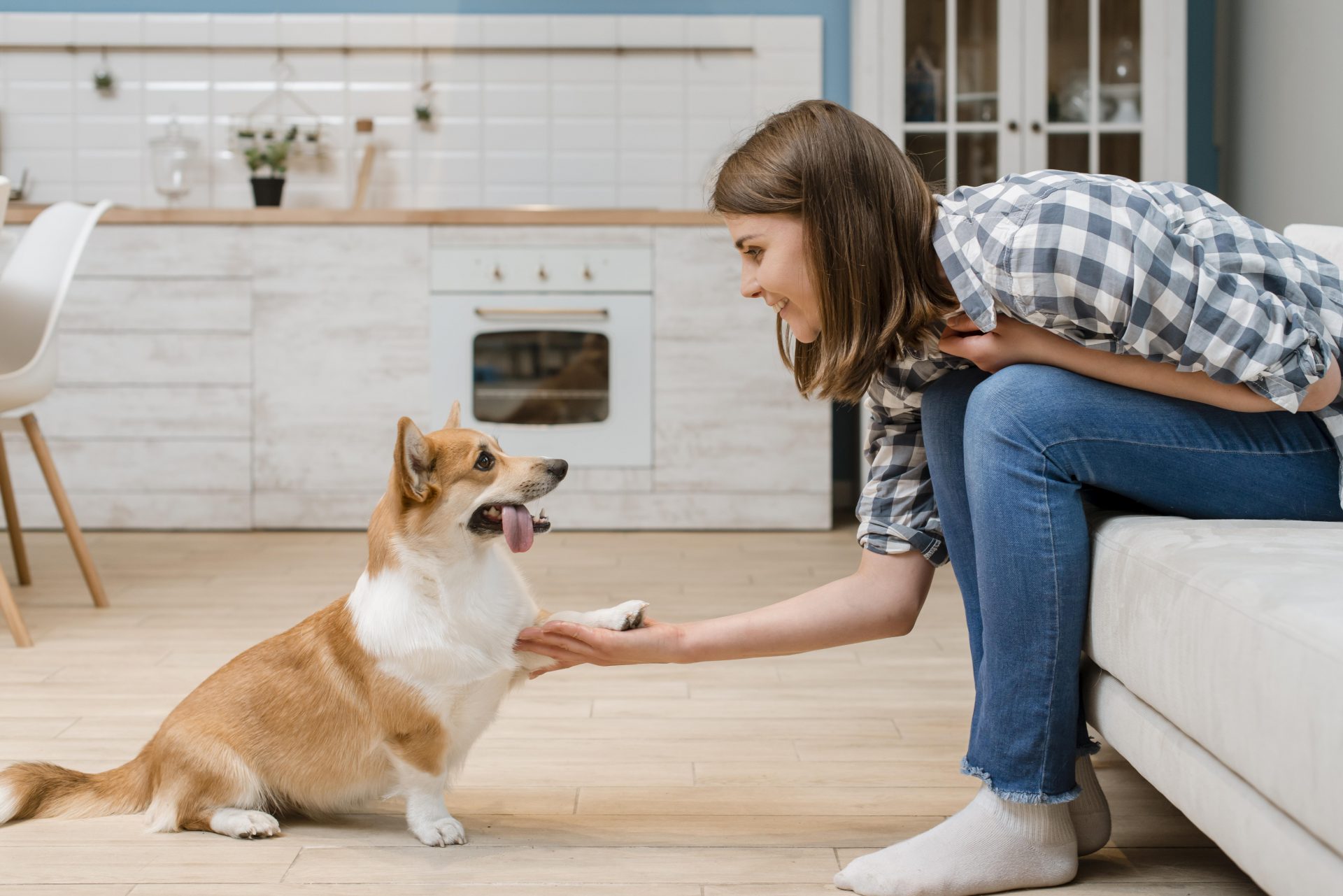
Passing a paw is a trick that dog owners teach their pets the most. The training is simple and does not take much time, and the positive effect strengthens the bond and is a lot of fun for both parties. See how to teach your pet to pass the paw so that the training is effective and satisfying.
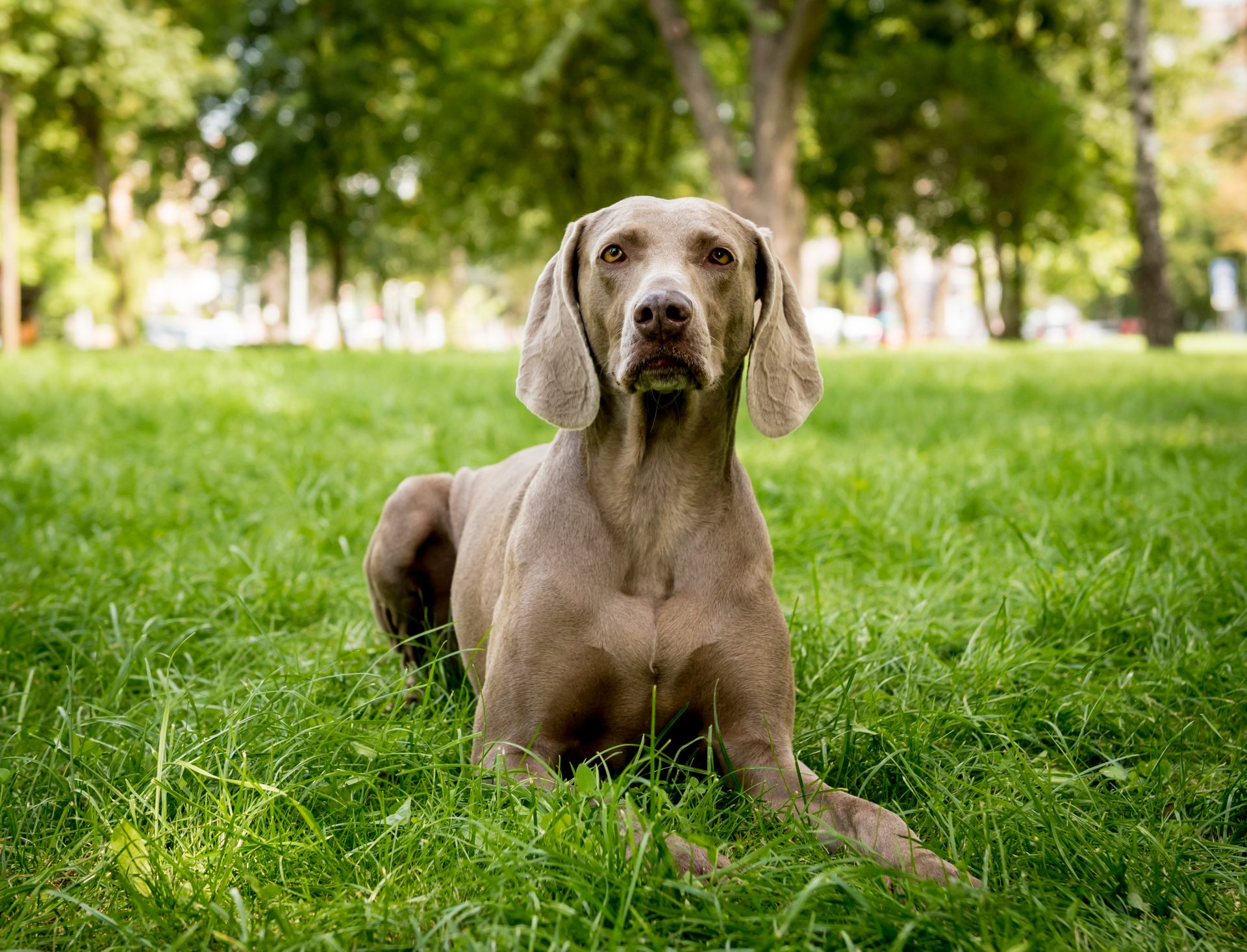
The Weimaraner is an aristocrat among hunting dogs. It is an extremely intelligent quadruped with a characteristic shiny silver coat, proud posture and amber eyes. It is not only a very desirable companion in the hunting community, but also arouses well-deserved admiration among other dog lovers.