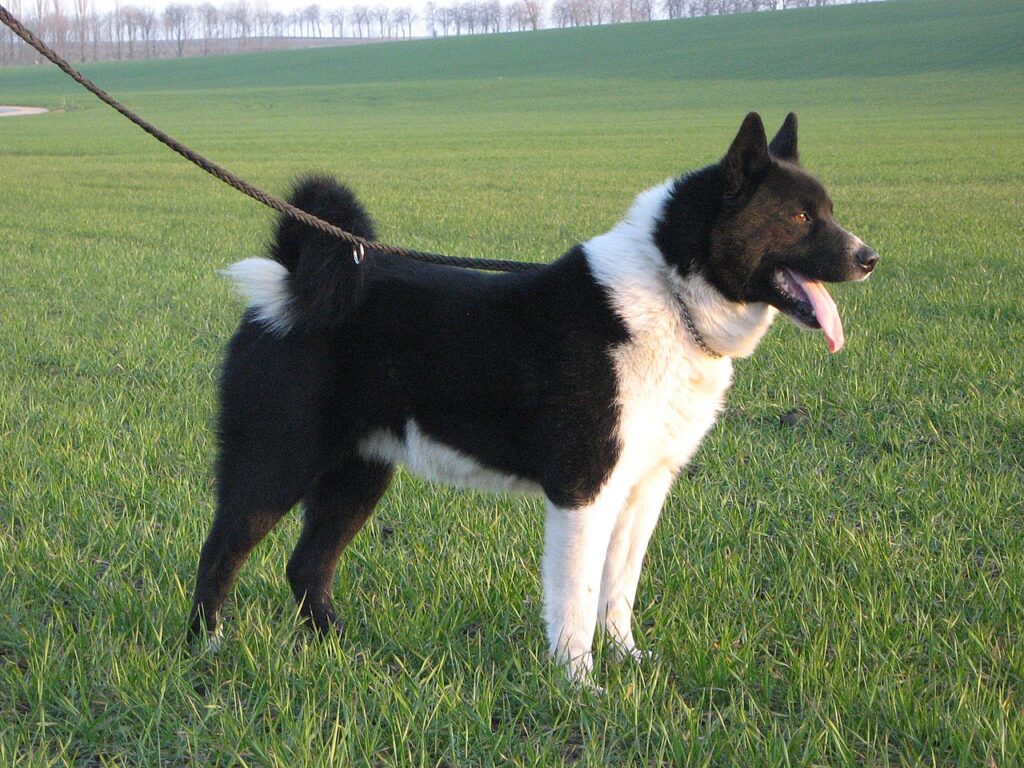
The Karelian Bear Dog is a rare, ancestral breed originating from the northern regions of Finland and Russia. It was bred to hunt large predators such as bears, moose, and wolves. Although unassuming in appearance, it possesses a strong character and protective instincts. It is a single-owner dog, loyal and devoted, characterized by extraordinary courage, alertness, and independence. Today, in addition to its original role, it is also valued as a faithful companion for active individuals who understand the needs of hunting dogs.
The Karelian Bear Dog originates from the wild and rugged terrain of Karelia. This picturesque region, located on the border between Finland and Russia, is known for its pristine nature, lakes, and dense forests. It was in this region that the dog evolved, intended not only as a hunter but also as a courageous defender of humans. Its ancestors were local, primitive hunting dogs used by the population for hunting and guarding.
The breed was officially recognized and classified in Finland in the first half of the 1946th century. After World War II, the Karelian Shepherd dog population declined drastically. Fortunately, breeding efforts were undertaken in time to rebuild it. Its unique working characteristics, such as independence, fearlessness, and a strong hunting instinct, have been preserved. The breed was recognized by the FCI in 2. It belongs to Group V: Spitz and Primitive Types, Section XNUMX: Nordic Hunting Dogs.
Today, the Karelian Bear Dog is a prized breed among hunters and wildlife control agencies. In North America, for example, it is used, among other things, to "peacefully" drive bears away from inhabited areas. Although still rare, it has gained recognition as a dog with a unique character and heritage deeply rooted in nature.
Appearance and physical characteristics
The Karelian Bear Dog is a medium-sized, powerfully built, yet agile dog with a harmonious and compact build. Adults reach a shoulder height of 49 to 60 cm and weigh between 20 and 28 kg. Males are slightly larger and more substantial than females.
A distinctive feature of this breed is its short, dense, and stiff coat with a rich undercoat. This coat provides excellent protection against cold and moisture, essential in the harsh Karelian climate. The coat is typically black with distinct, contrasting white markings on the muzzle, neck, chest, paws, and tail. The eyes are dark brown and expressive, with a keen, alert gaze. The tail is carried high, curled over the back.
Character and temperament
The Karelian Bear Dog is a combination of courage, independence, and a strong territorial instinct. By nature, it is alert, determined, and very loyal to its owner. It is a dog that chooses a single owner. It develops a strong attachment to its chosen owner but can be wary of strangers. It is not a cuddly companion, but a true guardian and hunter.
In everyday life, they can be even-tempered and composed, but they need proper guidance and activities. Boredom and lack of exercise can lead to frustration and destructive behavior. This breed requires physical and mental activity. They thrive with an experienced owner who can provide them with challenges and clearly defined rules.
The Karelian Shepherd is usually patient and gentle with children, especially if raised with them from puppyhood. However, due to its independent nature and strong territorial instincts, it needs space and the ability to retreat when feeling tired or overwhelmed. Therefore, it's important for children to learn to respect the dog, respect its boundaries, and not treat it like a toy.
Care
The Karelian Bear Dog is a relatively easy breed to care for on a daily basis, especially when it comes to its coat. Its double-layered coat is dense, stiff, and weather-resistant. Importantly, it doesn't require complicated maintenance. Regular brushing is all that's needed. Especially during shedding seasons (spring and fall), it's a good idea to brush the dog several times a week to remove dead undercoat and prevent it from accumulating in the home. Occasional baths are also sufficient when the dog gets dirty or develops a strong odor.
The skin of a Karelian Bearded Dog is usually healthy and resilient, but after walks in the forest or on rough terrain, it's worth checking it for scratches, parasites, and ticks. Nails should be trimmed regularly, especially if the dog doesn't wear them down naturally during activity on hard surfaces. Teeth also require attention. Brush them 2-3 times a week or use special dental chews to prevent tartar buildup.
Health and prevention
The Karelian Bear Dog is a natural breed, selected primarily for its endurance and utility. This gives it a reputation for being healthy and hardy. However, like any breed, it is not entirely free from health issues.
The most common ailments include orthopedic problems, such as hip dysplasia. The condition can develop especially if a young dog is overweight or overloaded during its growing period. Symptoms include stiffness in movement, reluctance to run or jump, and lameness. Early diagnosis and appropriate supplementation (e.g., joint support products) can significantly delay the progression of the condition. Treatment involves rehabilitation, a proper diet, and, in more severe cases, surgery.
Another common threat is parasitic diseases, especially those transmitted by ticks: babesiosis, Lyme disease, and anaplasmosis. Because the Karelian Shepherd often runs in forests and tall grasses, systematic tick protection is especially important. Collars, drops, or tablets should be used throughout the season. After each walk, it's worth carefully examining the dog, paying attention to the groin, ears, and neck area.
Skin allergies and digestive problems are less common in this breed, although sensitivities to certain food ingredients may occasionally occur. Symptoms such as itching, skin redness, or loose stools should prompt a consultation with a veterinarian and a possible dietary change.
It's worth emphasizing that regular vet visits, at least once a year, allow for early detection of problems and keep your dog in good condition. Vaccinations, deworming, and dental and weight monitoring are the foundations of a long and healthy life. For older dogs, periodic blood tests are recommended to monitor the functioning of their internal organs. Additionally, exercise, a proper diet, and close observation are essential for this breed.
Training and socialization
The Karelian Bear Dog is considered a highly intelligent yet independent breed, requiring consistent, calm, and firm training. Positive reinforcement methods work best. Obedience training and mind-expanding games such as searching for hidden objects, tracking, or tackling obstacle courses are excellent options.
Early socialization of the Karelian Bear Dog is crucial, especially with people, dogs, and various environmental stimuli. It's important to remember that the Karelian Bear Dog can be dominant in relationships with other dogs and may treat small pets as prey. Furthermore, it's important to cultivate appropriate relationships with the youngest members of the household and supervise their interactions. It's best to accustom your dog to the hustle and bustle of city life, new places, and unfamiliar people from puppyhood.
Nutrition
The Karelian Bear Dog requires a diet rich in protein and healthy fats, adapted to its activity level. High-quality food or a BARF (raw food) diet works well, provided the ingredients are properly balanced. Avoid excessive amounts of grain, preservatives, and artificial additives. The dog should have constant access to fresh water, and meals should ideally be divided into two portions per day. During periods of intense activity (e.g., in winter or during hunting season), it's a good idea to supplement the diet with supplements that support joints, muscle recovery, and overall body condition. These include glucosamine and chondroitin, hyaluronic acid, and collagen.
Karelian Bear Dog as a family dog
The Karelian Bear Dog is a brave, independent, and loyal companion with a strong character and a unique history. It excels as a guard dog and working dog, but requires an experienced owner who will provide it with exercise, challenges, and consistent guidance. This dog isn't for everyone. For an active family that values contact with nature, respects its independence, and provides clear rules, it can be a faithful and extremely vigilant companion.
Most frequently asked questions
Where does the Karelian Bear Dog breed come from?
The Karelian Bear Dog originates from the Karelia region in Finland and Russia. It was developed for hunting large predators. Its history dates back to local, primitive hunting dogs.
What does a Karelian bear dog look like?
This medium-sized dog has a thick, black-and-white coat. It has a curled tail and an alert gaze. Its silhouette is compact and harmonious.
Is the Karelian Bear Dog suitable for apartments?
No, this breed feels better in a home with a garden or outdoors. They need plenty of exercise and space. They can become bored and frustrated in an apartment.
Does the Karelian Bear Dog get along well with children?
The Karelian Bearded Dog can be patient with children, but it needs to be left alone. Children must respect its boundaries. It's best to raise it with children from puppyhood.
How long does a Karelian Bear Dog live?
The Karelian Bear Dog typically lives for 11–13 years. It is a hardy and healthy breed. Prevention and exercise support its longevity.
The Affenpinscher, also known as the Affenpinscher, is a small dog with a big personality. Its distinctive "monkey-like" facial expression and feisty disposition make it one of a kind. Although unassuming in appearance, it can surprise with its energy and intelligence.
Summer is a time for long walks, outdoor play, and relaxing with your pet in the garden or by the lake. Unfortunately, it's also the season of increased mosquito activity. Many people don't realize that these annoying insects can make life miserable not only for humans but also for our four-legged friends. Dogs can also fall victim to mosquito bites, which in some cases can lead to more serious health problems.
Anaplasmosis is one of those tick-borne diseases that often develops silently, masking itself with symptoms resembling a common cold or fatigue. However, the consequences of untreated disease can be serious. Initial symptoms, such as fever and joint pain, often lead to neurological disorders and even permanent organ damage. Although Lyme disease is widely discussed, anaplasmosis in dogs remains in the shadows, overlooked, and often misdiagnosed. Meanwhile, more and more dogs in Poland and Central Europe are falling victim to it. It's worth knowing what this disease really is, how to protect your pet from it, and what to do when the first alarming symptoms appear.