-15% on all HARNESSES | Delivery time up to 7 business days 🪡🚀
Can a dog eat an apple? About dogs and fruit
Can a dog eat an apple? About dogs and fruit
Date: December 20, 2023 (updated: November 25, 2024) Category: Blog, Living with a dog,
Dogs are not exclusively carnivores, they also enjoy plant-based foods such as fruits and vegetables. However, remember to never approach feeding your four-legged friend carelessly. Although we know that fruits are a valuable source of vitamins and minerals for your pet, not all plant raw materials are safe for them. So, can a dog eat apples? In this article, we have collected the most important information about the dog-apple connection.
Dog owners often ask themselves this question - can a dog eat an apple if it likes it so much? The fact is that apples contain valuable vitamins, especially those from groups A, C and K, and minerals such as iron, calcium, phosphorus, potassium, magnesium and zinc. They are also rich in antioxidants, which have strong protective properties, and pectin, which plays an important role in supporting digestion. All these substances help prevent health problems, support the digestive system, and also have a beneficial effect on the dog's skin, fur and claws. Most four-legged friends love the taste of apples, no wonder - they are juicy, slightly sour with a hint of sweetness.
Can a dog eat an apple? Yes! Apples in a dog's diet
Fruits are not only healthy, but they can also help with diseases. The valuable antioxidants contained in apples can prevent health problems such as cancer, diabetes and cardiovascular diseases. Pectins contained mainly in the peel help with gastrointestinal problems. In case of diarrhea, pectin helps bind fluids, and in case of constipation it helps loosen the stool. In addition, a healthy snack in the form of a piece of apple has a beneficial effect on your pet's teeth, helps reduce the number of bacteria in the oral cavity, but also removes discoloration and cleans the teeth.
How to give your dog apples?
Basically, dogs can eat all types of apples, both with and without the skin. It is worth emphasizing that the apple peel contains the most nutrients, so eating it in this form is even healthier. The most important thing, however, is that your four-legged friend should only eat ripe, undamaged apples, without any bruises or dents. In particular, remember to remove the entire core because apple seeds contain hydrogen cyanide, which is toxic to dogs. Additionally, the core of the apple can get stuck in the dog's throat and cause choking.
It is best to give a dog with dental problems (usually older ones) apples cut into small pieces or grated.
How many apples can a dog eat?
Even though dogs love eating apples, they should not eat too many of them. Ideal proportions include up to 10% raw or cooked fruit and vegetables in your daily meal. In the case of small breeds of dogs and puppies, the serving should not exceed 1/4 of a small apple per day. Since each dog reacts differently to apples, it is worth finding the right dose of the treat for your pet. We start by giving a small portion and observe how the patient's body reacts. If the dog tolerates apple in the diet well, we can then increase its amount.
Typically, if a healthy dog eats one apple with seeds, no poisoning occurs. However, you should observe your pet carefully and if any disturbing symptoms appear, you should immediately contact a veterinarian. If a dog eats too many apples, for example during a walk it eats fallen fruit from a tree, it may cause serious gastrointestinal disorders, manifested by stomach cramps, diarrhea, vomiting and salivation. Then you should not delay visiting the veterinarian. You should also remember that signs of poisoning may appear in your pet only after a few hours. In addition to the previously mentioned symptoms, poisoning may manifest itself in the form of increased respiratory rate, dilated pupils and drop in blood pressure. This is a serious threat to the dog, untreated hydrogen cyanide poisoning can even lead to the death of your four-legged friend.
If we often spend time in places with fruit trees, it is worth checking whether our pet does not eat fruit from the ground. You may eat way too many of them!
The right balance is important
Apples are known not only for their taste, but also for their extraordinary nutritional values. They contain valuable vitamins and minerals, and are also a rich source of dietary fiber, including pectin, antioxidants, and quercetin. Just like in humans, apples can support the body of your four-legged friend and improve his well-being. They are healthy, tasty and offer great benefits, e.g. they help in the treatment of ailments. It's great news that virtually any dog can eat apples. However, before serving them, always check whether the fruit is ripe and remove the seeds, which may contain toxic hydrogen cyanide. Although an apple is a tasty vitamin bomb, you should not exaggerate with the amount of this fruit in your diet. If administered in excess, they may adversely affect the health and well-being of your pet.
Apples are perfect as an occasional snack
Moreover, it is worth remembering that each dog reacts to apples in a specific way, so you need to find the right dose by initially giving a small portion of the fruit and gradually increasing the amount if your pet's body responds well to this delicacy.
The proud and intelligent Toy Poodle is second only to its larger cousins in height. In addition, the fluffy four-legged friend has all the features that make a great family dog. He is friendly, faithful, sociable and cheerful. He has an incredible learning capacity and exceptional adaptability.
Properly fitting your dog's collar is important to ensure its comfort and safety. Here are the steps to help you properly choose and then adjust the collar. Before purchasing a collar Measuring the dog's neck circumference Use a tape measure to measure the dog's neck circumference. Measure at the place where the collar will be worn, i.e. at the level of the neck, close to the ears and under the jaw. […]
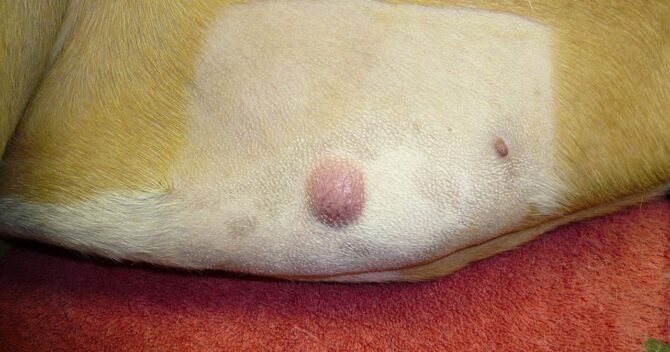
Mastocytoma is a pathological growth of mast cells, most often taking the form of a tumor occurring in the dermis or subcutaneous tissue. This type of tumor is one of the most common skin cancers in dogs, almost every fifth is a mast cell tumor. Although it has been proven that it occurs as a result of the destructive impact of substances released by mast cells, the cause of the disease has not yet been clearly established. However, it is known that the frequency of mastocytoma in dogs is influenced by breed predispositions and the age of the four-legged patient. The tumor usually appears on the dog's body, limbs or head. Since mastocytoma is often malignant and difficult to distinguish from other skin tumors, and the mere feeling of the lump does not provide clear information about its type, it is important to immediately consult a veterinarian to determine the nature of the lesion. It is worth remembering that detecting dangerous skin cancers at an early stage can significantly increase the chances of your pet's recovery.