What is Cushing's Disease?
In order for the blood clotting norms to be maintained at the correct level, the blood pressure is right and the dog can deal with the inflammation, the animal's adrenal glands produce the hormone cortisol. Because an animal's blood cortisol level rises sharply in critical situations, when excited or frightened, this substance is also known as the stress hormone. However, the adrenal glands are unable to regulate cortisol levels on their own. The pituitary gland is responsible for its correct index, which instructs the adrenal glands to produce a hormone. When the pituitary gland stops controlling cortisol levels, an increase in cortisol levels in dogs becomes Cushing's disease, also known as Cushing's syndrome.
Some breeds are especially predisposed to developing Cushing's disease, so owners of terriers, poodles, beagles, boxers, and sheepdogs must carefully monitor their pets' health and periodically conduct tests that can detect this pathology. It has also been found that adrenal gland disorders are more common in large breeds of dogs weighing more than 20 kg.
Causes of Cushing's Disease in a Dog
Cushing's syndrome in dogs is one of the most common hormonal disorders. Generally, dogs over the age of 7 are affected, but young dogs can also be affected. The main causes of the disease are:
- Tumors of the pituitary glandwhich stops producing the hormone ACTH in the right amount and cannot control the level of cortisol in the blood. This form of Cushing's disease affects 85 - 90% of dogs.
- Adrenal tumors. Excess or lack of cortisol is a direct pathway to the development of major changes in an animal's body. This form of Cushing's disease is more common in older dogs between 11 and 12 years of age.
- Iatrogenic hyperactivity of the adrenal cortex. It occurs as a result of long-term treatment of allergies, dermatitis and severe inflammations with high doses of hormonal drugs from the group of glucocorticoids.
Symptoms
Despite the different background of Cushing's disease, the clinical signs are similar and can be easily observed by any pet owner. Belong to them:
- Increased thirst and urination (polydipsia i polyuria).
- Increased appetite (polyphagia). Of course, a good appetite is a sign of your dog's health, but a sudden increase in appetite may indicate a problem.
- Skin changes (alopecia without itching symptoms, decreased skin elasticity, blackheads).
- Muscle weakness (atrophy), sagging abdomen.
- Disorder of the reproductive cycle in bitches and testicular atrophy in males.
- Loud, wheezing, and rapid breathing.
- Neurological disorders, lack of coordination of movements.
- General weakness, apathy, drowsiness.
Cushing's disease is a complex condition. It is accompanied by various complications: arterial hypertension, diseases of the kidneys and urinary tract, diabetes, osteoporosis, and disorders of the reproductive organs.
Diagnosis of Cushing's disease in a dog
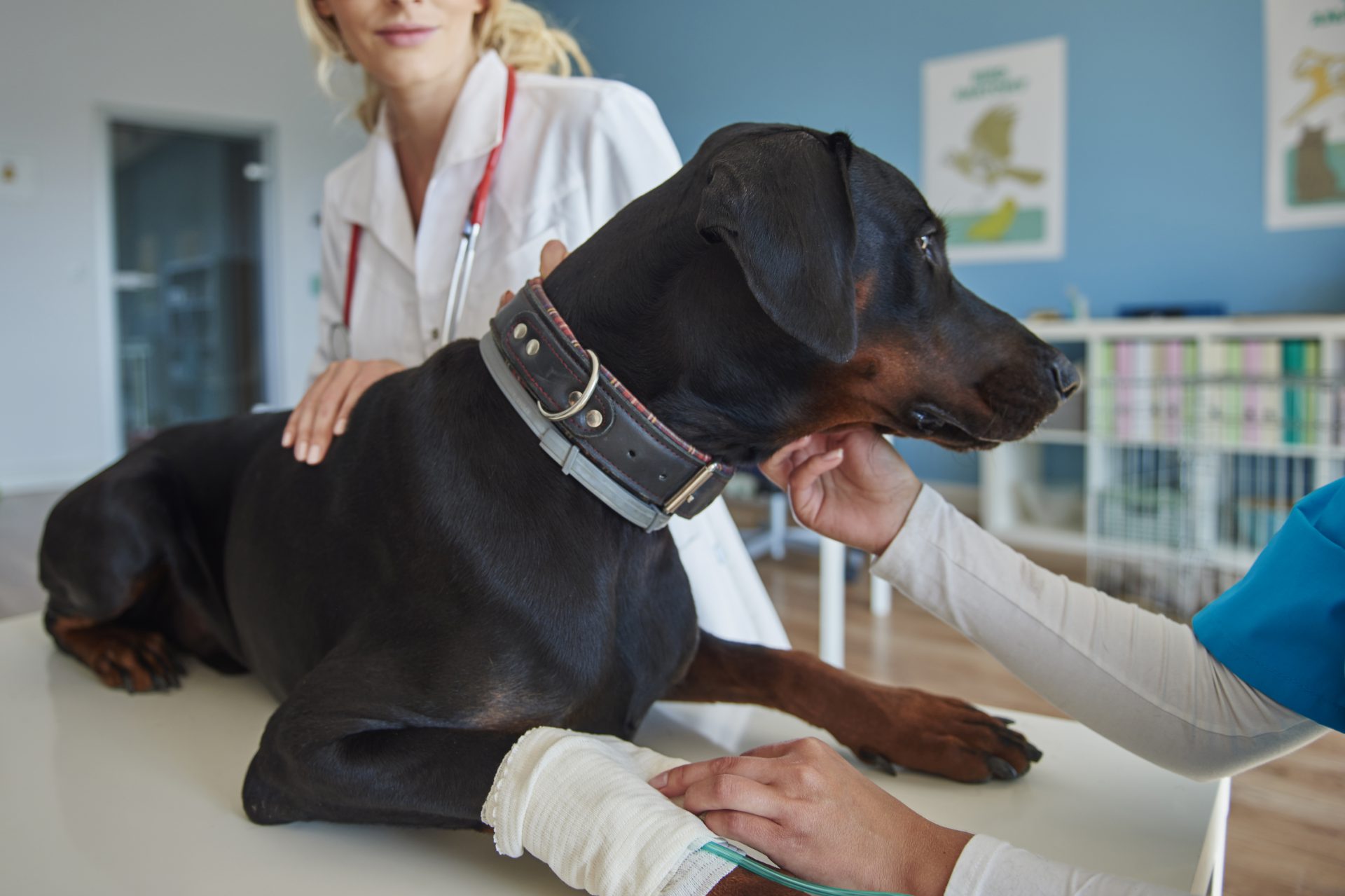
After your dog's general examination, the vet will usually order a blood test and a urine test (for comorbidities), an ultrasound or an abdominal X-ray. He also orders more detailed tests, such as: blood cortisol levels, as well as urine cortisol levels and its ratio to creatinine.
How do I treat my dog's Cushing's disease?
Depending on the devastation in your pet's body, treatment for Cushing's disease may be either conservative or surgical. If a tumor of the adrenal gland is detected, surgical intervention is possible, during which the adrenal gland is removed. If problems with both adrenal glands are found, both organs are removed and the dog is prescribed a life-long hormone medication. With a properly diagnosed disease and properly selected treatment, the effects of the treatment are noticed almost immediately, and the dog's general condition improves day by day. However, if the animal's condition worsens during treatment, most likely this is due to complications. The veterinarian orders repeated tests and instrumental examinations in order to control the treatment and detect the causes of the deterioration of health. In the iatrogenic form of Cushing's disease, hormone therapy is discontinued by gradual, careful dose reduction with constant monitoring of the dog's condition with tests.
Maybe you'll like it: